How biodigesters are transforming Kenyan farms
The content of this page has been checked on 20 April 2026
Across Sub-Saharan Africa, more and more farmers are using biodigesters as a practical solution for clean cooking, renewable energy and sustainable agriculture. The African Biodigester Component (ABC), supported by RVO, is helping build lasting commercial biodigester markets. Kenya is one of the countries where the market is growing and becoming stronger.
Clean energy brings value for Kenyan farmers
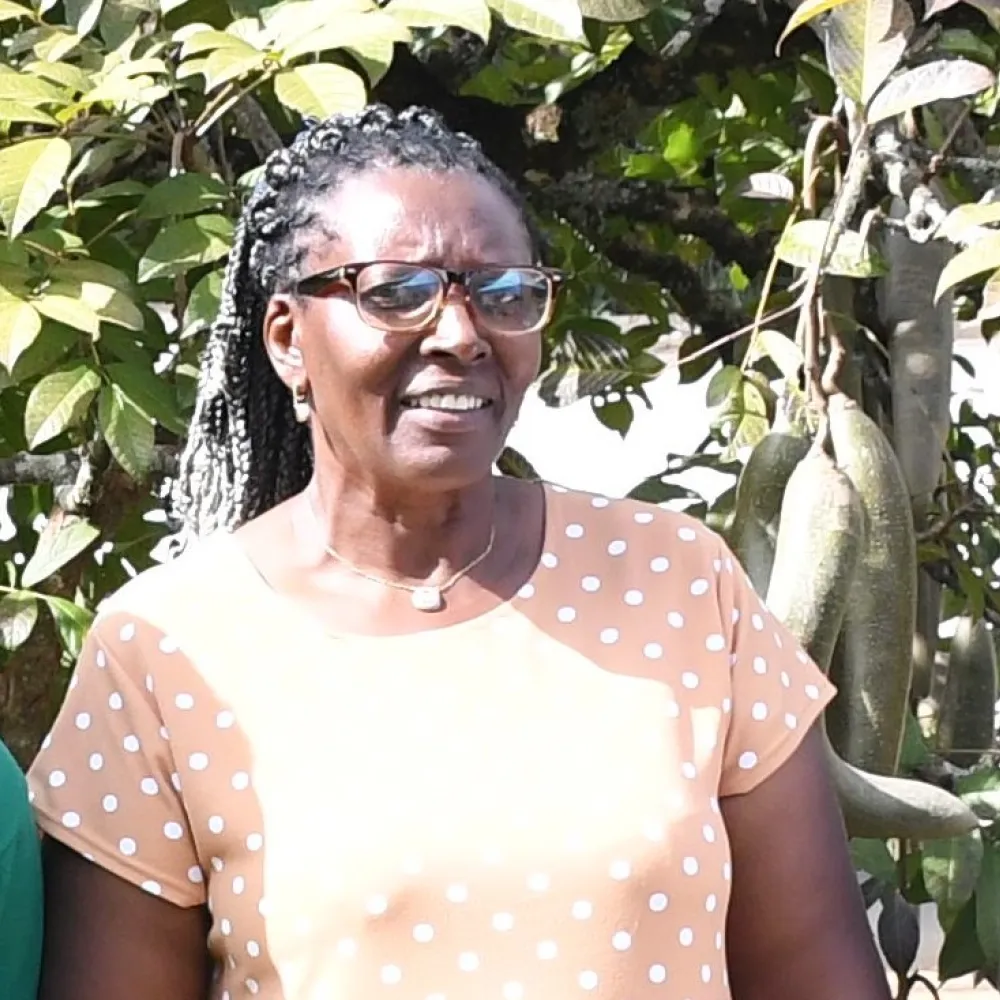
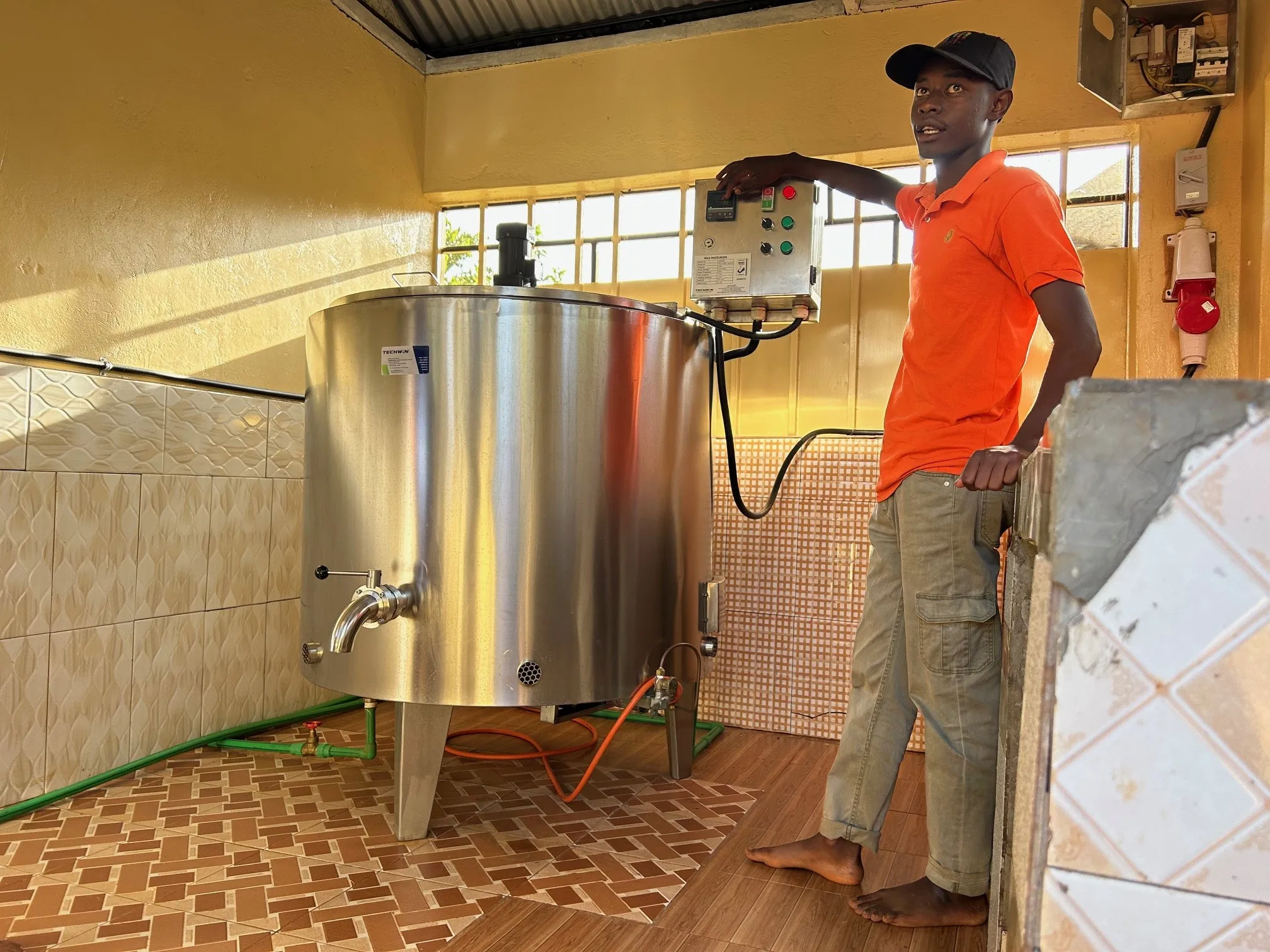
More than 6,500 biodigesters provide clean, reliable energy to over 32,500 people in Kenya. Together, these systems reduce an estimated 38,000 tons of CO₂ emissions every year, the equivalent of 8,000 cars driven for one year. Rose Gitari is one of the new owners of a biodigester system. She manages a dairy farm with 11 cows in Embu County. She processes her milk into yoghurt, which requires constant heat for pasteurisation.
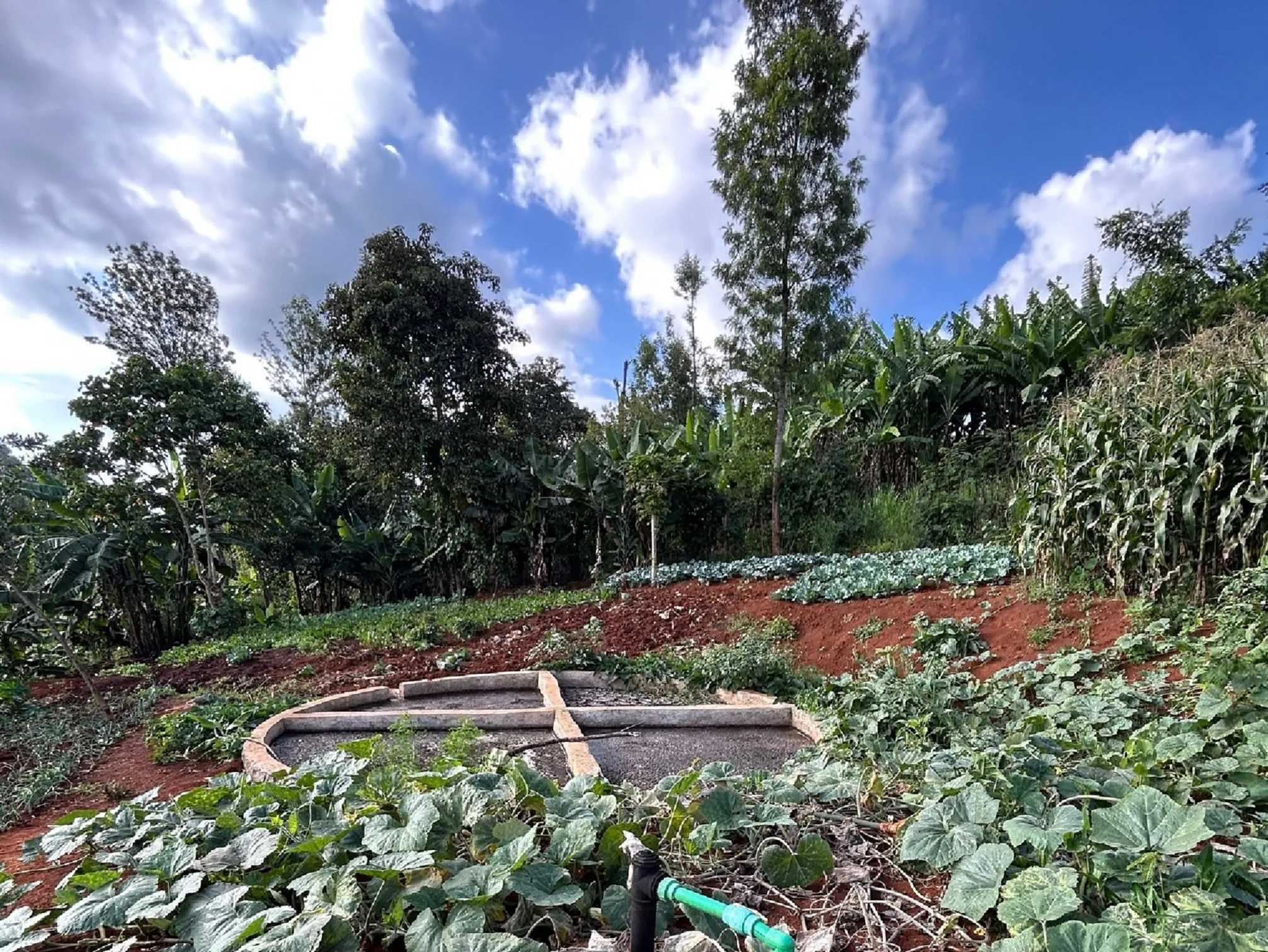
In the past, she spent a large portion of her income on fuel. With support from ABC, Rose installed a 150 m3 biodigester, a system that turns animal manure and agricultural waste into value. Farmers mix the waste with water in a tank, creating 2 useful products:
- Biogas: A clean fuel for cooking and heating. It reduces indoor air pollution and saves time spent collecting wood.
- Bioslurry: A rich organic fertiliser. It improves soil health, helps farmers grow more crops, and saves them money because they no longer have to buy chemical fertilisers.
Today, the system provides all the energy her business needs. The system has helped Rose increase her yoghurt production, allowing her to buy more cows and build her business.
A market development approach
The ABC market development approach, delivered by RVO and its partners, is helping the sector become self-sustaining. The goal is to move from 'pushing' products to a market where customers seek the technology themselves. This approach builds on 4 connected areas:
- Supply: Kenya now has about 90 active biodigester companies. Training of 240 biodigester technicians in quality standards and construction has ensured that 97% of the new biodigesters work well, helping businesses become more professional.
- Demand: Campaigns like 'Upishi Bora, Afya Bora' increase awareness. Using social media influencers, accessible technology and radio outreach, this campaign reached over 700,000 people. It shows farmers the actual benefits of biogas and bioslurry, such as fuel savings, healthier kitchens and better crop yields.
- Financing: Partnerships with local banks and microfinance institutions deliver green loans for biodigesters. So far, banks have provided over €566,000 in financing to 1,647 households.
- Enabling environment: ABC's support for the Kenyan government helps create clear policies. Biodigesters are now part of national clean cooking and bioenergy strategies. Training institutions are also including biodigesters in renewable energy courses.
Building a stronger and more inclusive private sector
ABC connects energy, agriculture and climate goals. Besides lowering greenhouse gas emissions, the energy market is also becoming more inclusive. Women now hold 36% of the jobs in biodigester companies, and women-led businesses in the sector are growing even faster than those led by men.
However, more work remains to be done, with very few women owning biodigester businesses or working as biodigester technicians. Kenya's biodigester market shows how coordinated action across financing, supply, demand and policy can gradually strengthen the private sector.
The African Biodigester Component (ABC) programme
This story is the result of one of the projects under the African Biodigester Component (ABC) programme. ABC supports the growth and sustainability of the commercial biogas sector in Sub-Saharan Africa. It is part of the Strengthening the Entrepreneurial Ecosystem for Clean Cooking programme.
Questions?
Would you like to learn more about projects like this? Visit our Development Cooperation project database or email us.
- Ministry of Foreign Affairs