Repositioning mental health at the core of humanitarian response in the DRC
The content of this page has been checked on 2 March 2026
Through its agile expert deployment mechanism, RVO enabled a historic shift by embedding Mental Health and Psychosocial Support (MHPSS) into national humanitarian decision-making structures in the Democratic Republic of Congo.
A life-saving sector, structurally marginalised
In August 2025, the DRC faced a convergence of armed conflict, large-scale displacement, and overlapping Ebola and Mpox outbreaks. Despite widespread psychosocial distress, MHPSS remained under-prioritised due to fragile national coordination mechanisms and limited formal integration into humanitarian coordination platforms, including sectoral clusters and inter-cluster mechanisms. The level of cooperation between the regions and the national level was limited.
Targeted expertise as a catalyst
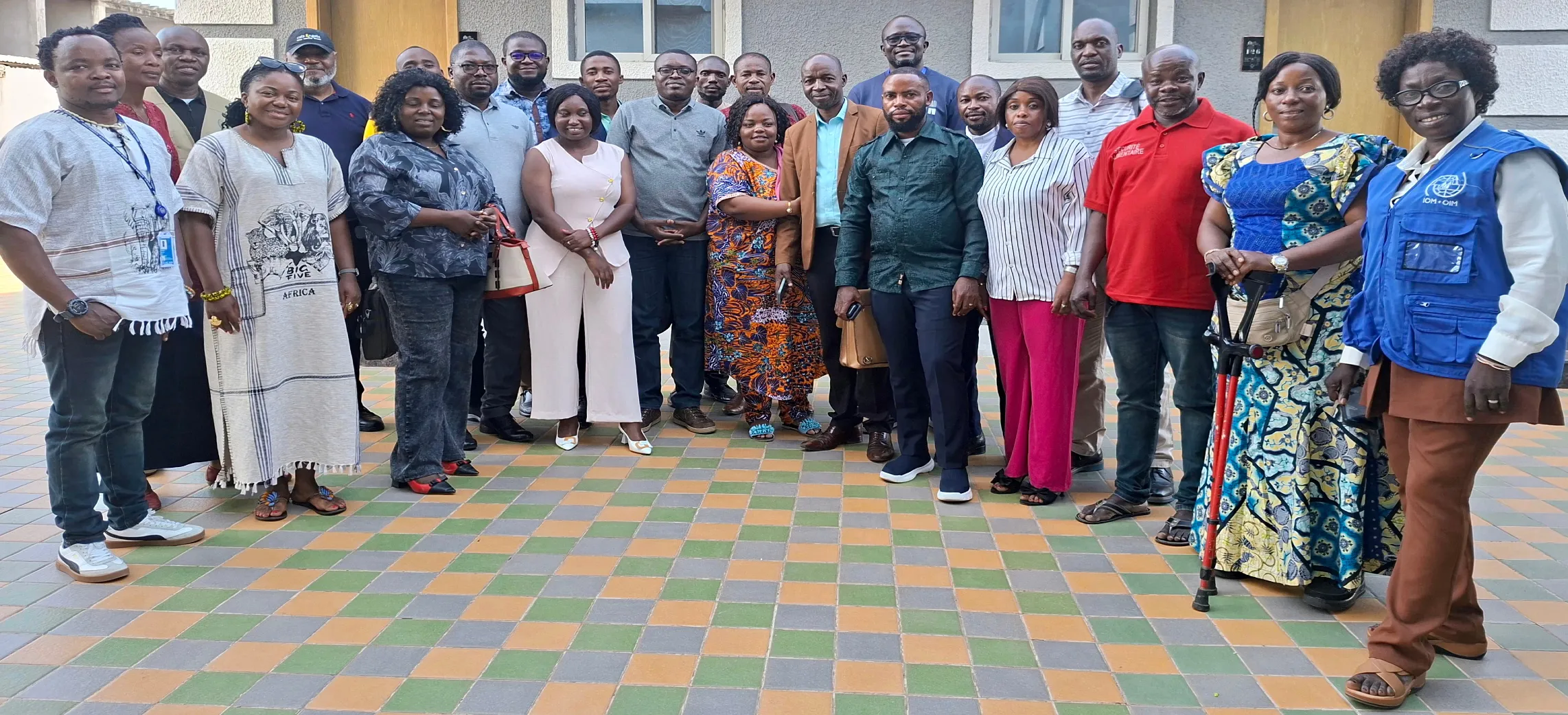
The partners in the national Technical Working Group (TWG) requested support via the MHPSS Surge Mechanism. MHPSS deployed Firmin Ouerdraogo, a specialised MHPSS expert, to empower the humanitarian community and strengthen sustainable coordination systems. Firmin focused on inclusive partnerships. At the beginning of December, he launched a new coordination team, bringing together the Programme Nationale Sante Mentale (PNSM) and other essential humanitarian partners.
MHPSS has now been formally integrated into all clusters. The Intercluster Coordination Group ensures that MHPSS is structurally incorporated into decision-making. MHPSS has also been included in the Humanitarian Needs and Response Plan for 2026 for the first time. Regional coordination has been improved. An MHPSS Task Force has been set up for the Ebola outbreak in Kasai, with psychosocial support integrated into the medical approach. With the restart of the TWG in Tanganyika Province, we expect MHPSS to be further integrated in this area as well.
From emergency support to durable impact
As 2026 begins, a more organised and empowered MHPSS Technical Working Group is in place in the DRC. Embedded within the ICCG and guided by a validated annual work plan, it is now better positioned to respond to humanitarian challenges and improve the mental health and well-being of vulnerable communities.
Firmin's experience
"My deployment to the Democratic Republic of Congo was a journey of profound resilience. In a country of such vast scale, the complexity of coordination required a delicate balance of diplomacy, patience, and constant adaptation. Working within a prolonged humanitarian crisis meant navigating uncertainty while maintaining a clear strategic direction. While being away from home for several months was a sacrifice, it also brought a deep sense of purpose.
What inspired me the most was the unwavering commitment of my national colleagues, who work tirelessly despite limited resources. Strengthening the MHPSS Technical Working Group was more than a technical task; it was about contributing to a collective vision of care. We may not have changed everything, but together, we created the structure, clarity, and momentum needed to move forward. Step by step, trust was built and collaboration became stronger. Knowing that I played a small part in this transformation makes the experience truly meaningful."
More information
See our webpage for more information on Mental Health and Psychosocial Support.
Sign up as a Dutch MHPSS expert
Sign up as a non-Dutch MHPSS expert
- Ministry of Foreign Affairs