“We accelerate a natural process that takes millions of years down to a matter of hours”
The content of this page has been checked on 11 May 2026
To reduce CO₂ emissions, Paebbl uses its technology to convert minerals into a CO₂-binding building material. This building material can replace cement in concrete mixes. Fay Farhang, Head of Research and Development (R&D) at Paebbl, explains: “In nature, CO₂ reacts with rocks on the earth’s surface. This creates carbonates: a chemical compound of carbon and oxygen. This process normally takes millions of years. We do the same in a matter of hours.”
CO₂-binding building material
Farhang leads the R&D team working on the development of carbon mineralisation technology. She has nearly 10 years of experience with this process.
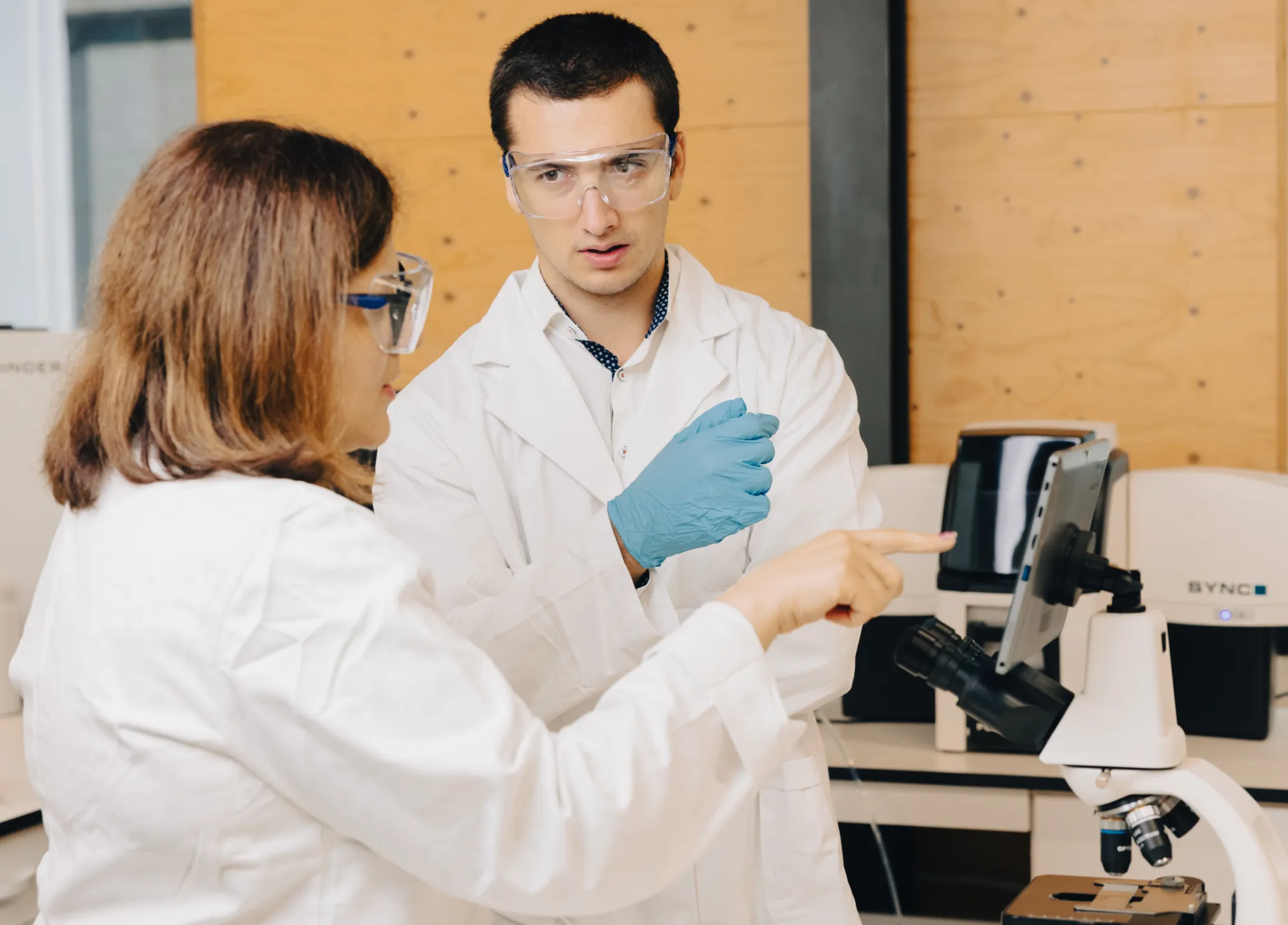
“We extract rock that contains the mineral olivine from the ground and grind it. This makes it react more easily with CO₂. We then expose it to much higher concentrations of CO₂ than occur naturally. And we raise the temperature to speed up the process.”
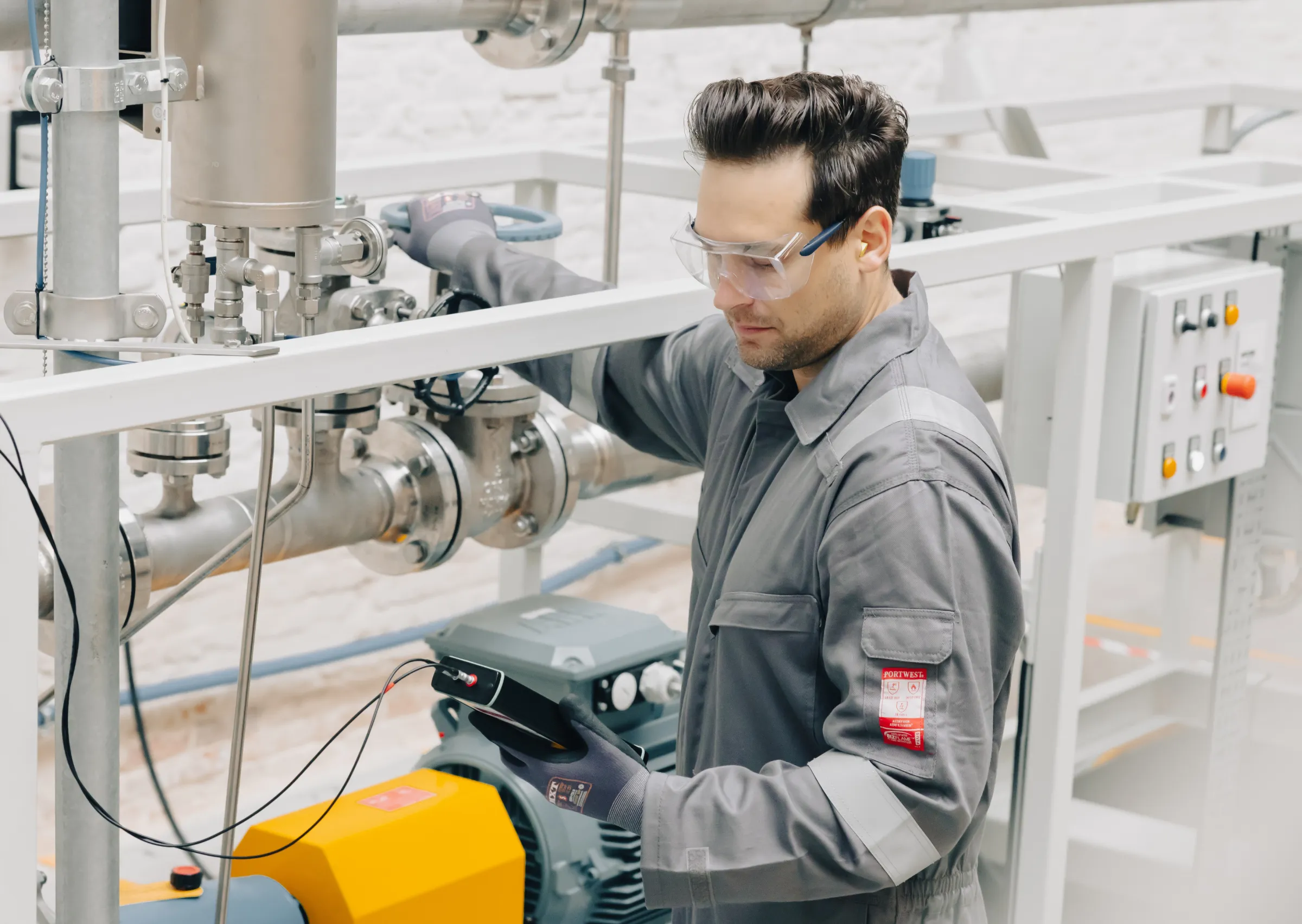
This takes place in a reactor in Rotterdam. The result is a powder (carbonate) in which CO₂ is stored permanently. “This powder has cement-like properties. We can use it to replace cement in concrete mixes.”
Double benefit for the climate
The technology has 2 advantages. Farhang: “With traditional concrete and cement, both the production and the building materials themselves generate significant CO₂ emissions. We, on the other hand, capture and store CO₂ in a solid form. At the same time, we prevent CO₂ emissions by replacing traditional cement in concrete mixes with our material.”
Paebbl initially focused on the reaction itself. “We looked into how we could scale up from laboratory scale to pilot scale. We tested different pressures and temperatures”, explains Farhang. Later the focus shifted to the product. “We wanted to know how best to use our material in cement and concrete.”
CO₂-neutral footbridge
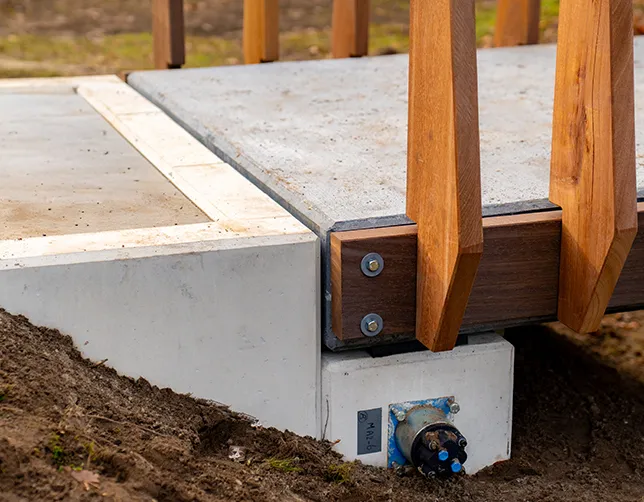
Paebbl already has a number of concrete projects using their building material. For example, together with construction companies, they built a CO₂-neutral footbridge in Rosmalen and 12 façade panels for the renovation of Het Veerhuis in Rotterdam. “We do not just supply the material, but also the service”, explains Farhang . “For instance, we advise on the optimal mixing and substitution ratios between traditional building materials and our material.”
WBSO makes the difference
Paebbl has been using the tax credit for research and development WBSO since 2024. “We have now had 5 projects through the WBSO. It has helped us enormously in developing our technology”, says Farhang. “Money is always a limiting factor for startups like ours. We have been able to achieve much more than we would have without the support of the WBSO.”
Farhang found the application process straightforward. “It is very clear and gets straight to the point. What is the aim of the project? What do we need for that? How much time do we need to spend on it? It was easy for me to follow.”
Keep researching and developing for a better world
Farhang’s advice to other entrepreneurs is clear:
“I am a scientist at heart, but I want my research to have an impact even today. At Paebbl, my work helps reduce CO₂ emissions through sustainable construction methods”, says Farhang about her motivation. “But we need more innovation in every area. We want a better world for the next generation. That means we need to be more creative, come up with new ideas, and carry out research. Keep developing your brilliant ideas!”
Want to know more?
Check whether your business is eligible for the WBSO.
- Ministry of Economic Affairs and Climate Policy