Innovation Mission to South Korea: Alternative & Future Proteins
The content of this page has been checked on 30 June 2026
Are you an entrepreneur or researcher working on innovative and sustainable solutions in alternative proteins, such as plant-based, hybrid or cultivated meat? And do you want to collaborate with partners in South Korea on innovation and product development (R&D)? Then join this knowledge and technology innovation mission to South Korea from 26 October until 30 October 2026.
- Participation costs €350 per person, excluding VAT, travel and accommodation costs, and individual expenses.
- Please register by 30 June 2026.
- Netherlands Enterprise Agency
- LVVN Attaché Network (LAN) in South Korea
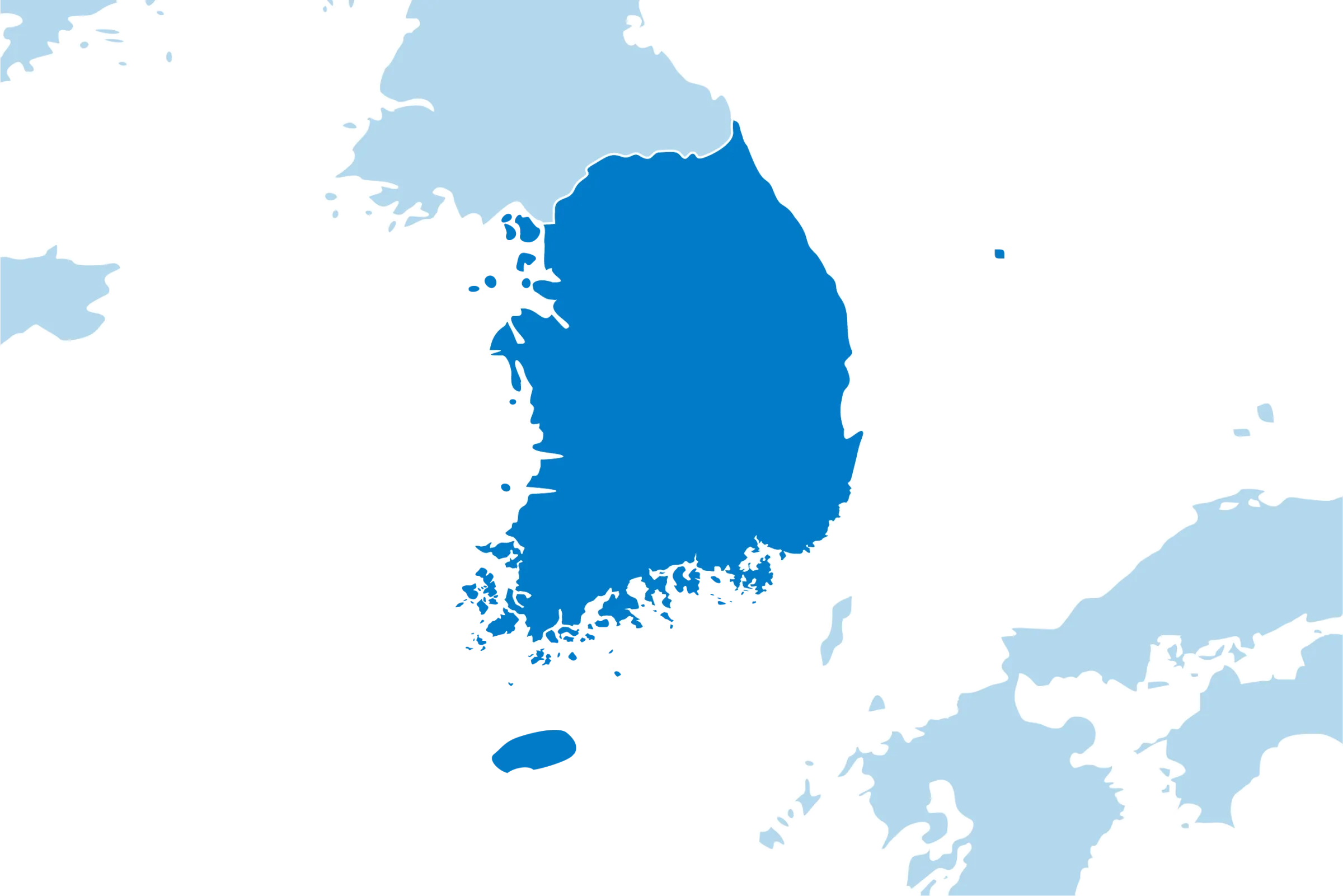
By taking part in this innovation mission, you will explore opportunities for equal and valuable collaboration in R&D. The mission is of interest to companies and researchers active in the agri-food sector who wish to contribute to the development of alternative proteins.
During the mission, you will connect with Korean partners who excel in scaling, consumer markets and digital innovation. You can connect your Dutch expertise in technology, ingredients and knowledge development with the knowledge and market position of Korean partners.
Why South Korea?
South Korea is rapidly positioning itself as a frontrunner in future food systems, driven by strong government support, advanced food-tech ecosystems and a growing consumer market for sustainable protein alternatives.
Highly innovative food industry
Highly innovative food industry
South Korea combines a highly innovative food industry with strong government ambition to lead in food-tech and alternative proteins. The country faces structural challenges such as limited agricultural land, a high dependence on food imports and increasing sustainability pressures.
At the same time, South Korea offers a dynamic ecosystem of corporates, startups and research institutes actively investing in plant-based and cultivated protein solutions. Major food companies and retailers are rapidly expanding their alternative protein portfolios, while public investments and regulatory developments are supporting innovation in cellular agriculture.
Large Korean food corporates are actively shaping this space through a mix of internal R&D, partnerships, and selective startup investment. Companies like CJ Cheil Jedang lead with strong in-house biotechnology and fermentation capabilities, complemented by global collaborations and venture investments in food-tech startups. Others such as Pulmuone and Lotte Corporation focus more on product development and scaling through existing food and retail channels. Overall, the Korean model is characterized by large conglomerates leading commercialization and scale, increasingly complemented by partnerships with startups to access next-generation protein technologies.
Cultural familiarity with protein sources
Cultural familiarity with protein sources
A key differentiator compared to Europe is cultural familiarity: many protein sources that are considered novel or alternative in Europe, have long been embedded in traditional Korean cuisine. Think of soy-based products, legumes, seaweed, and fermented foods. Staples like tofu, doenjang (fermented soybean paste), and a wide variety of plant-based side dishes mean that consumers are already accustomed to diverse protein sources beyond meat. This significantly lowers the barrier to adoption of new alternative protein products, as they are often perceived as an extension or modernization of existing food traditions rather than a radical shift. The market remains heavily centered on soy-based products, reflecting traditional dietary patterns, but is gradually diversifying into pea protein, mycelium, and fermentation-derived ingredients
In addition, South Korea has a deep-rooted expertise in fermentation, which plays a central role in its culinary heritage. This cultural and technical foundation translates into a strategic advantage in emerging areas such as precision fermentation. The country’s existing capabilities in microbial processes, flavor development, and food preservation position it strongly to scale next-generation protein technologies efficiently and with high consumer acceptance.
Strategic gateway to Asian markets
Strategic gateway to Asian markets
Finally, South Korea serves as a strategic gateway to broader Asian markets, where demand for sustainable protein is expected to grow significantly in the coming years. This creates strong opportunities for collaboration with Dutch companies and knowledge institutions, combining Dutch strengths in ingredient innovation, food processing and agri-food technology with Korean expertise in scaling, consumer insights and digital integration.
Themes
This mission concentrates on applying, improving and scaling alternative protein solutions, with attention to product quality, cost reduction, regulatory pathways and consumer acceptance. Topics covered include:
- plant-based protein innovation and ingredient functionality;
- hybrid protein applications (blends of plant-based and animal proteins);
- cultivated meat and precision fermentation;
- texture, taste and nutritional optimization;
- scaling and cost reduction of production processes;
- consumer acceptance and market positioning;
- digitalization and smart food manufacturing.
For whom?
This innovation mission targets Dutch companies, knowledge institutions and organisations that contribute to diversification of protein sources and the development of sustainable food systems.
Participation is particularly relevant for parties developing technologies and solutions that support, accelerate or enable the scaling of alternative proteins, including:
- plant-based ingredient development and processing technologies;
- hybrid protein concepts and product innovation;
- cultivated meat and precision fermentation technologies;
- equipment and systems for scaling production;
- sensory optimization (taste, texture, mouthfeel);
- digital and data-driven solutions for food production and supply chains;
- investors, value-chain actors and knowledge partners working on commercialization, market access and new business models.
Mission objectives
The objectives of this mission are:
- to gain insights into the South Korean alternative protein ecosystem, market dynamics and regulatory landscape;
- to explore and exchange best practices and innovative solutions between companies, research institutions and public stakeholders;
- to identify concrete opportunities for joint pilots, innovation projects and long-term public-private collaboration in R&D;
- to connect Dutch knowledge, technology and expertise to market opportunities in South Korea, with relevant learning outcomes for both countries.
Draft programme
The program is currently in development. The draft below provides an overview of the foreseen elements and possible visits.
Monday 26 October
- Arrival in Seoul
- Kick-off dinner
Tuesday 27 October
- Visit to cultivated meat startups (Simple Planet, Seawith or Pensees) in Seoul
- Visit to Seoul National University
Wednesday 28 October
- CJ Blossom Park (R&D Center) in Suwon or CJ Blossom Campus (promotion center) in Eumseong
- Visit to Pulmuone tofu factory in Eumseong
- Visit to MFDS (Ministry of Food and Drug Safety)
Thursday 29 October
- Seminar about alternative protein at Foodpolis (the national food cluster) in Jeonju
- Visit to Koralo’s seafood alternative facility in the Jeonbuk Institute for Bio-convergence Industry
Friday 30 October
- Visit to Zikooin Company (plant-based meat alternatives)
- Cultural visit to the Changdeokgung Secret Garden
Costs
The cost of participating in the innovation mission is € 350 excl. VAT per person. This includes:
• Participation in the collective programme;
• Transfers to and from programme components;
• Lunch and dinners, if mentioned in the programme.
Participation does not include:
• Travel and accommodation costs (intercontinental and domestic flights and hotels);
• All individual costs, such as lunches and dinners outside the programme.
Registration
Registration is no longer possible.
Final participation will depend on the number of available spots and how well your organization aligns with the mission’s goals and objectives.
Want to know more?
Looking for financial support for your plans?
- The Knowledge and Innovation Agenda Agriculture, Water, Food (KIA LWV) offers annual funding opportunities for public-private R&D partnerships through the SMP (Seed Money Project) and PPP (Public-Private Partnership) instruments.
- In addition, various other instruments, such as DHI (demonstration, feasibility and investment), Horizon Europe, Eurostars and PIB (Partners International Business), are available within the Netherlands Enterprise Agency (RVO). Consult our subsidy and financing options for South Korea.
If you have any questions or need further information, please contact:
- Bert van der Heide (advisor International Innovation Agri-Food) via bert.vanderheide@rvo.nl or +31 (0) 6 29371209;
- or send an email to innovatiemissies@rvo.nl.
- Ministry of Agriculture, Fisheries, Food Security and Nature