Disaster Risk Reduction in action
The content of this page has been checked on 8 September 2026
Achieving water security amid climate change requires close links between humanitarian action and development actors. Water-related disasters require effective response, preparedness, sustainable recovery, and reduced future risks. These actions help protect people, property, and the environment in the long term.
Our water-related programmes strengthen disaster management through 4 phases: Mitigation, preparedness, response, and recovery. Mitigation focuses on taking steps to reduce or prevent the impacts of water-related disasters, such as improving flood defences and designing safer infrastructure. Whenever possible, we connect urgent humanitarian action with longer-term development.
On this page, you will find stories and essential learnings from our disaster risk reduction and resilience programmes that address climate, health and water risks, reinforcing our commitment to water security.
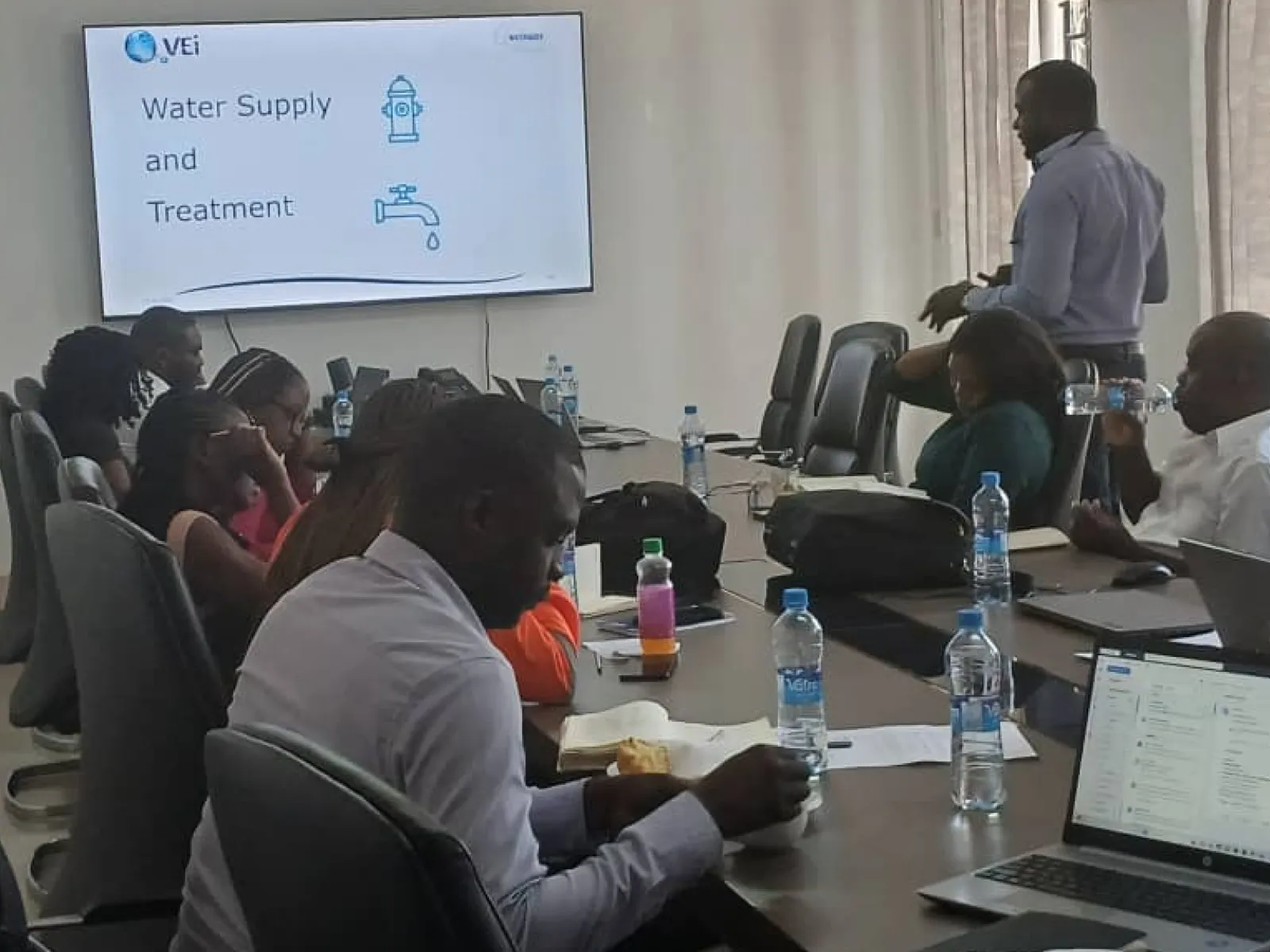
Water, Sanitation and Hygiene (WASH)
WASH interventions play a vital role in preventing disease and protecting public health before, during and after water-related disasters. Linking emergency WASH responses to longer-term service delivery ensures immediate humanitarian outcomes and creates more resilient water systems that support sustained public health.
Read our case studies on waste management in a humanitarian setting:
How DRRS experts help turn waste into resources
Finding professional purpose through DRRS
Read our WASH case study on cholera response in Zambia:
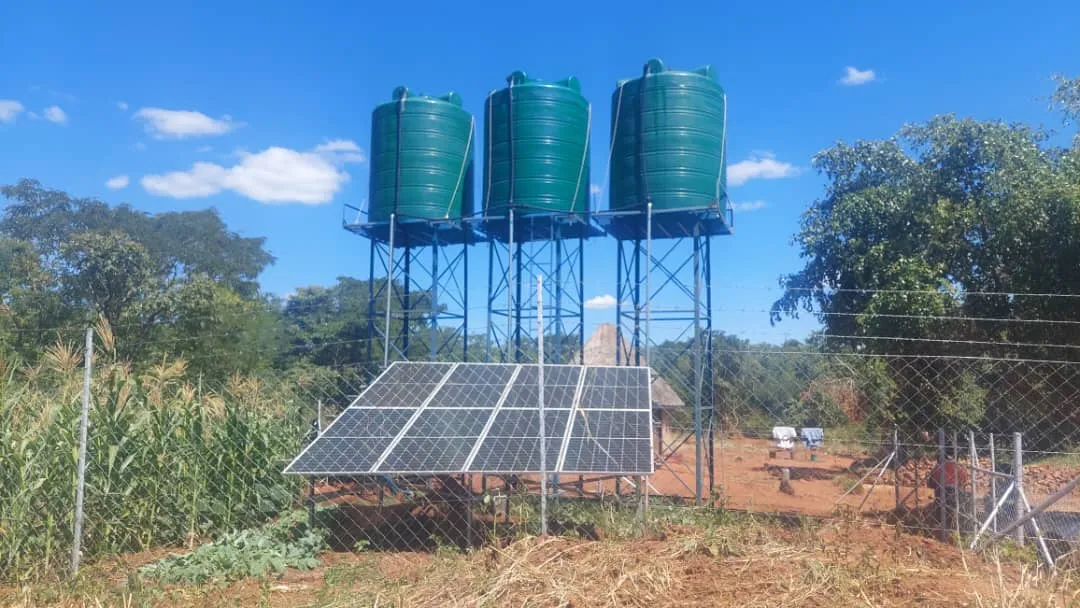
Integrated Water Resources Management (IWRM)
IWRM supports coordinated planning and management of water across sectors. We include IWRM in our approach to balance immediate water needs with long-term sustainability.
Read our IWRM case study from Côte d'Ivoire:
Interesting articles
For more detailed information on water risk reduction strategies and our services, please explore our other webpages.
Stay informed with the latest news and inspiring stories; join our monthly newsletter.
- Ministry of Foreign Affairs