Making renewable energy markets more inclusive
The content of this page has been checked on 16 June 2026
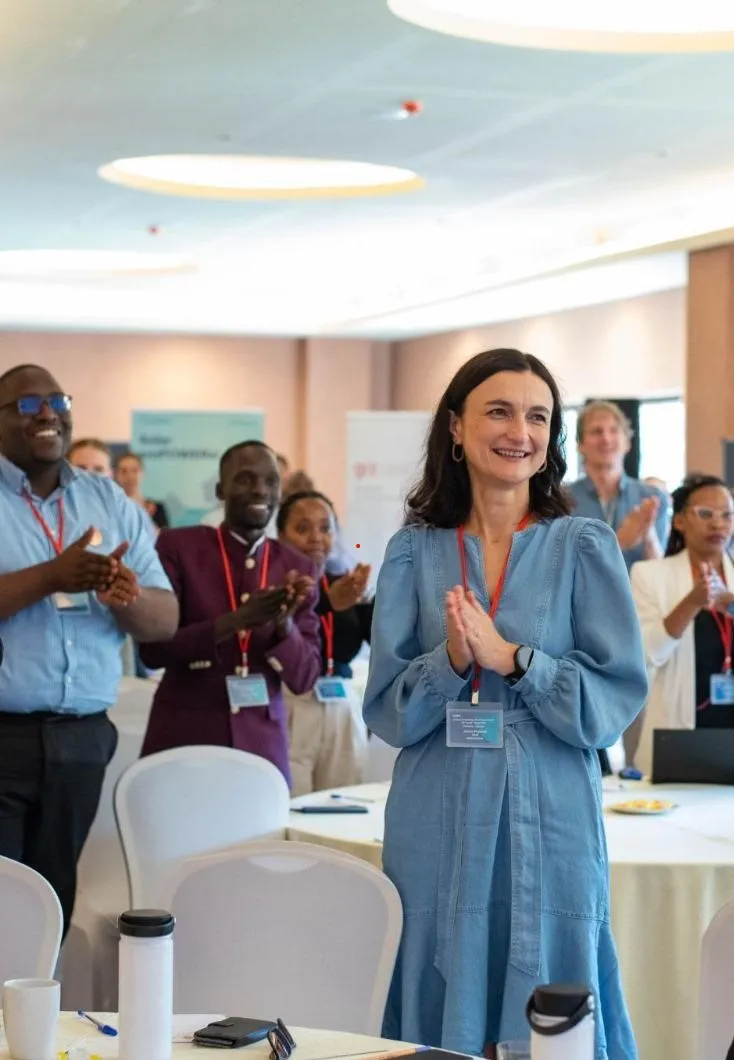
Dr Ing. Jelena Popović is the programme coordinator for Energising Development (EnDev) at the Netherlands Enterprise Agency (RVO). She shares how her team works to make renewable energy markets more inclusive. She also explains why innovation is important for reaching communities in need.
What is your background and role at RVO?
"My background is technical. I am an engineer by training and an academic. For most of my career, I worked in technology at the TU Delft and the University of Twente. I still work part-time at the University of Twente. At some point, I came across energy access as an application, and I have been happy with my choice ever since. I work as the EnDev programme coordinator at RVO, and through my academic work, I lead a global competition on energy access. I like the different roles that I can play in the sector and the variety in my work. It helps me understand the sector better."
How does your team help build sustainable markets in low- and middle-income countries?
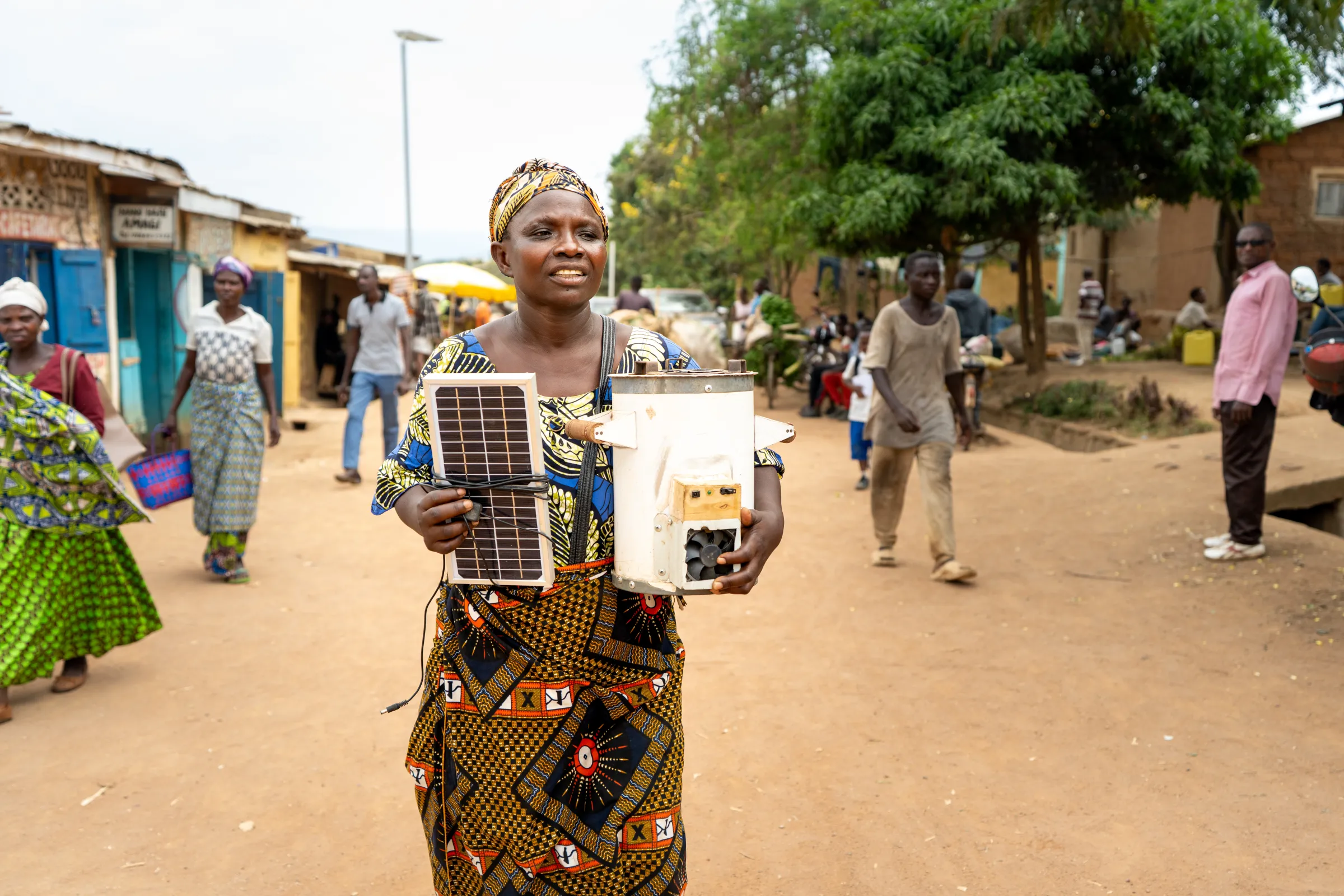
"We improve inclusive renewable energy markets. We address problems that prevent small and medium-sized enterprises (SMEs) that deliver renewable energy from growing and innovating. Our support helps SMEs bring energy solutions to communities that lack the energy they need. Other SMEs, such as shops, hairdressers, small restaurants and workshops, depend on reliable and affordable energy to operate effectively and increase productivity. Reliable energy also helps them create jobs and economic opportunities. Our programmes support them by:
- improving access to finance;
- strengthening their business skills;
- helping to test innovative products and business models;
- helping to create a better enabling environment by building the capacity of industry groups that represent their sector."
How important are partnerships for your work?
"Everything we do, we do by working with others. We look at the whole system and support it by bringing people together and supporting innovations. Our work on the enabling environment is demand-driven. We intervene based on the needs of local governments and other stakeholders. For example, we run a demand-side subsidy pilot to help low-income and displaced communities. These communities are often unable to access commercial off-grid solar and cooking markets.
For this pilot, we worked closely with partners such as the Energy Sector Management Assistance Program (ESMAP), the Global Off-Grid Lighting Association (GOGLA) and the Clean Cooking Alliance. Through the End-user Subsidy Lab platform, we shared lessons and learnt from our shared experiences. In the Netherlands, we coordinate the NL Energy Compact, a platform that promotes universal energy access. Dutch stakeholders in the platform include the government, the private sector, civil society, financing and knowledge institutions."
What are the biggest barriers for SMEs in the renewable energy market?
"SMEs in these markets face many challenges. There is limited financing available for the sector. This especially affects smaller projects and companies that financial institutions see as too risky or costly. Broader economic and political issues also impact SMEs. Barriers include currency devaluations, import challenges, conflict-related instability and the impacts of the current energy crisis.
Perhaps the most important challenge is on the customer side. Many customers live in remote areas with poor infrastructure. It is difficult and expensive to bring electricity and clean cookstoves to their homes and businesses. Households also have very little income to spend on energy products and services. This again makes it hard for companies in these markets to survive and grow.
We also often talk to entrepreneurs in the Netherlands who come to us with a wide range of questions. They bring us a product and ask for feedback, drawing on our experience in the countries we work in. For example, we recently gave a company building an energy system for electric cooking feedback on how customers in these countries would respond to it."
What innovation has your team supported that stands out to you?
"We often look at new ways to make energy more affordable. One common way is 'pay-as-you-go' (PAYGo). This is a model where customers pay for a solar home system over time. This makes it cheaper, but it does not reach everyone.
We now support the testing of a model called 'Energy as a Service'. We want to see if this can help people affected by extreme poverty. We are testing this in several African countries, including Uganda, Niger and Malawi. These pilots will provide electricity access to thousands of people. As valuable are the lessons learnt that will help the sector grow.
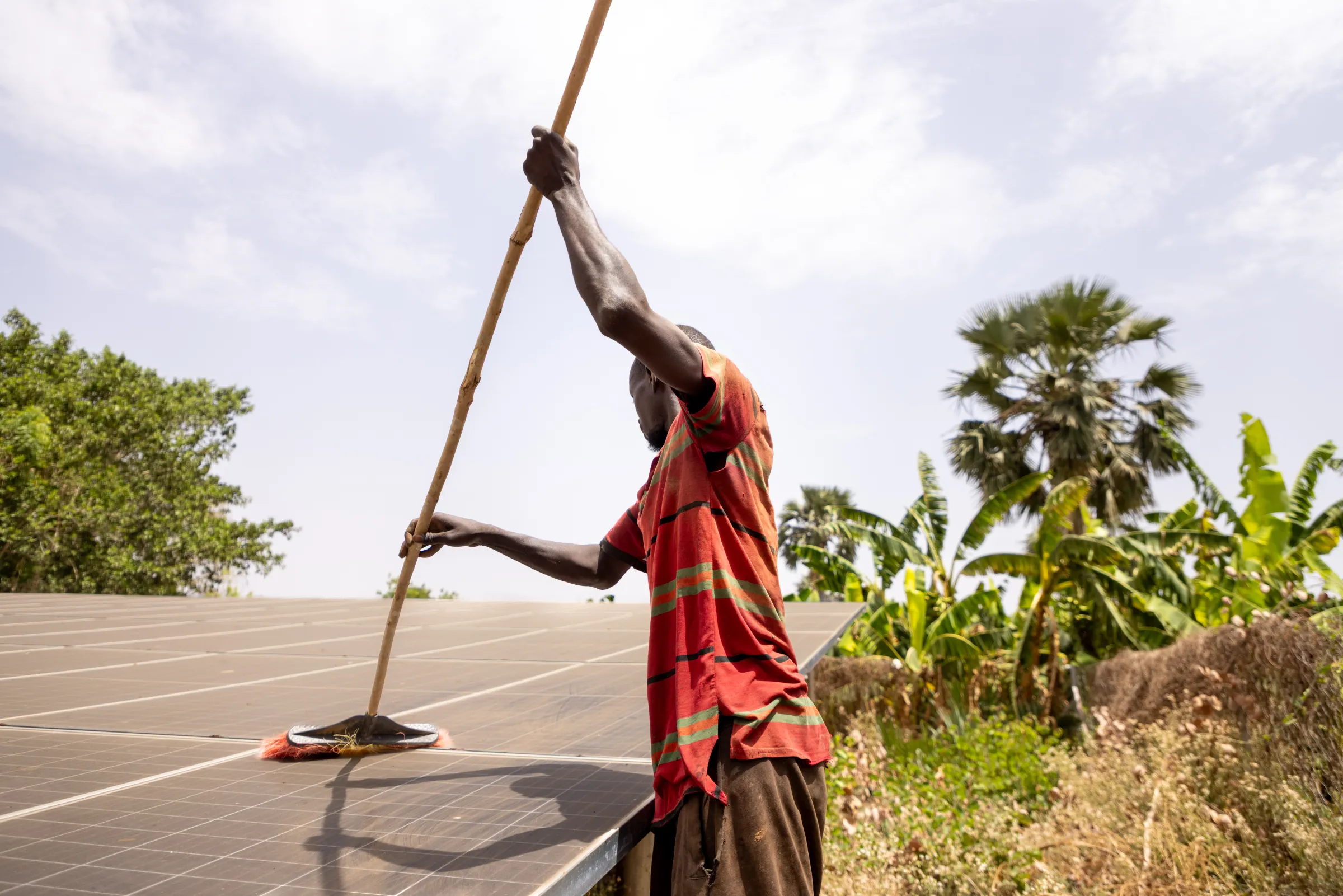
We also support new models, such as opportunities across the agri-energy nexus. For example, one of the innovations we support is a model that enables a smallholder farmer to use a solar water pump to access affordable seeds and fertilisers. The farmer gets a voucher from the solar water pump company. With that voucher, they can visit an agrodealer and buy seeds and fertilisers. The solar water pump company pays the full amount to the agrodealer. The farmer pays it back over time."
Do you feel optimistic about the future of energy access?
"The sector is facing a lot of difficulties. But, I also see opportunities in technological innovation, broadening the agenda and involving new players, including Dutch companies. I always see a positive outcome in everything. It is a difficult time for the sector, but it is also an opportunity to reinvent it and accelerate the transition to renewables. And it is exciting that we have been able to be part of this sector."
- Ministry of Foreign Affairs