HortiDemoCentre bridges capacity building, industry and development
The content of this page has been checked on 6 May 2026
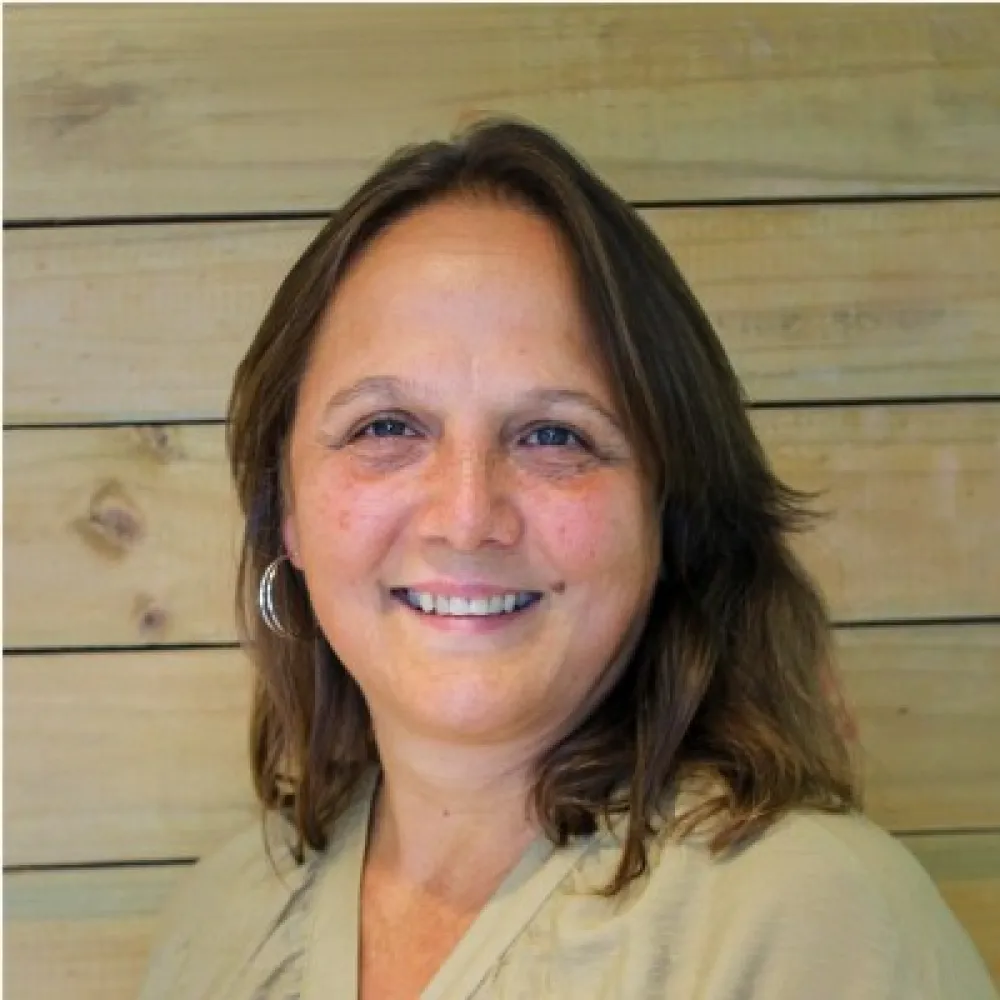
In 2022, Dutch and South African partners built a demonstration greenhouse in Stellenbosch, South Africa. Since then, the HortiDemoCentre (HDC) has trained over 2,000 people in agricultural technology. Dr Estelle Kempen, agronomy lecturer at Stellenbosch University and country manager for South Africa at Delphy, is part of the project. She explains how the Impact Clusters (IC) programme and a shared strategic vision filled a gap in high-tech horticulture.
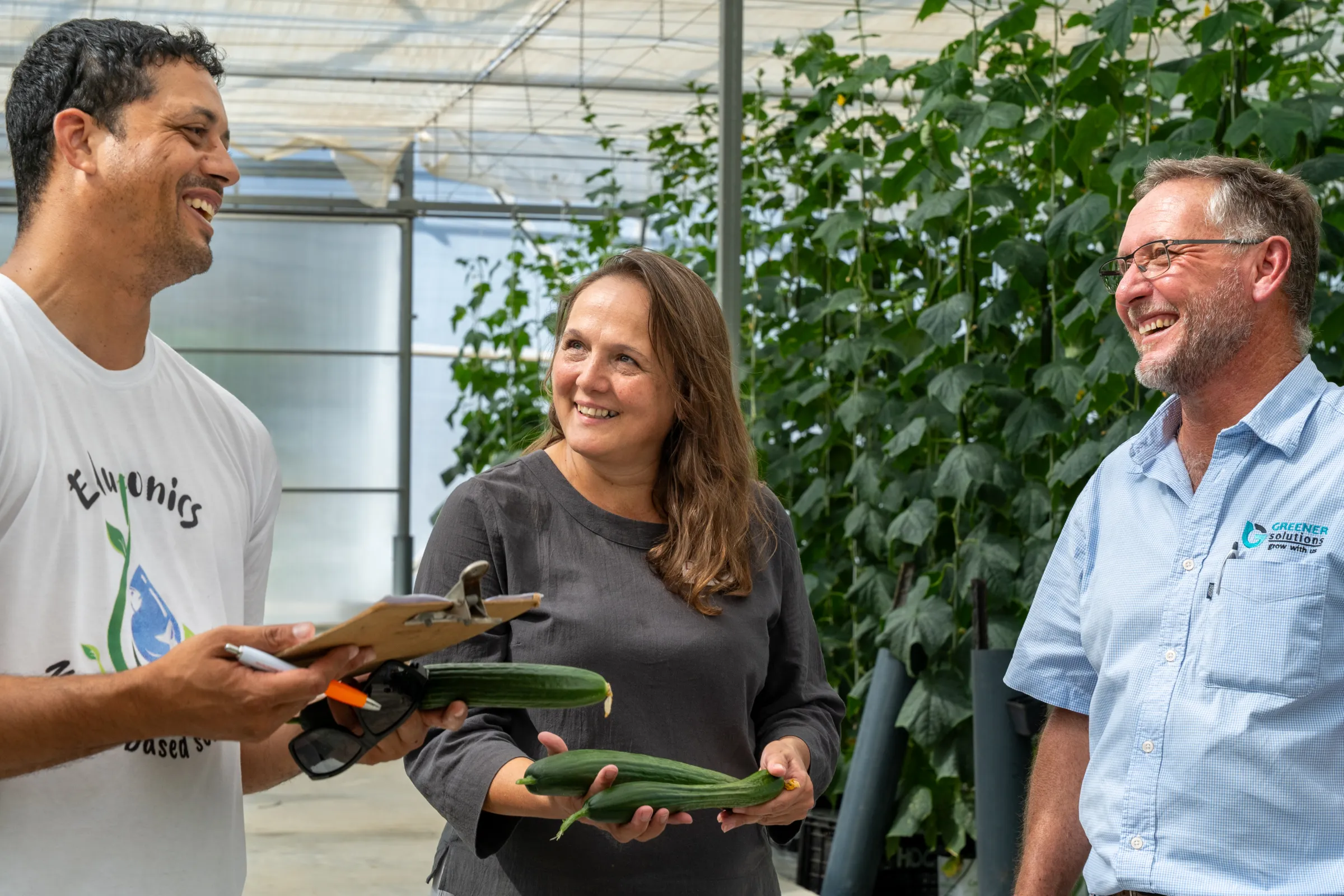
Horticulture is South Africa's fastest-growing economic sector. It also faces increasing climate volatility, water scarcity and rising input costs. Agricultural systems need modernisation, and Dutch expertise is helping achieve that goal. But, Estelle points out, "Technology alone does not guarantee success. Disciplined management, data and continuous learning must support it." The HDC offers a place for these needs to come together.
A complete greenhouse system
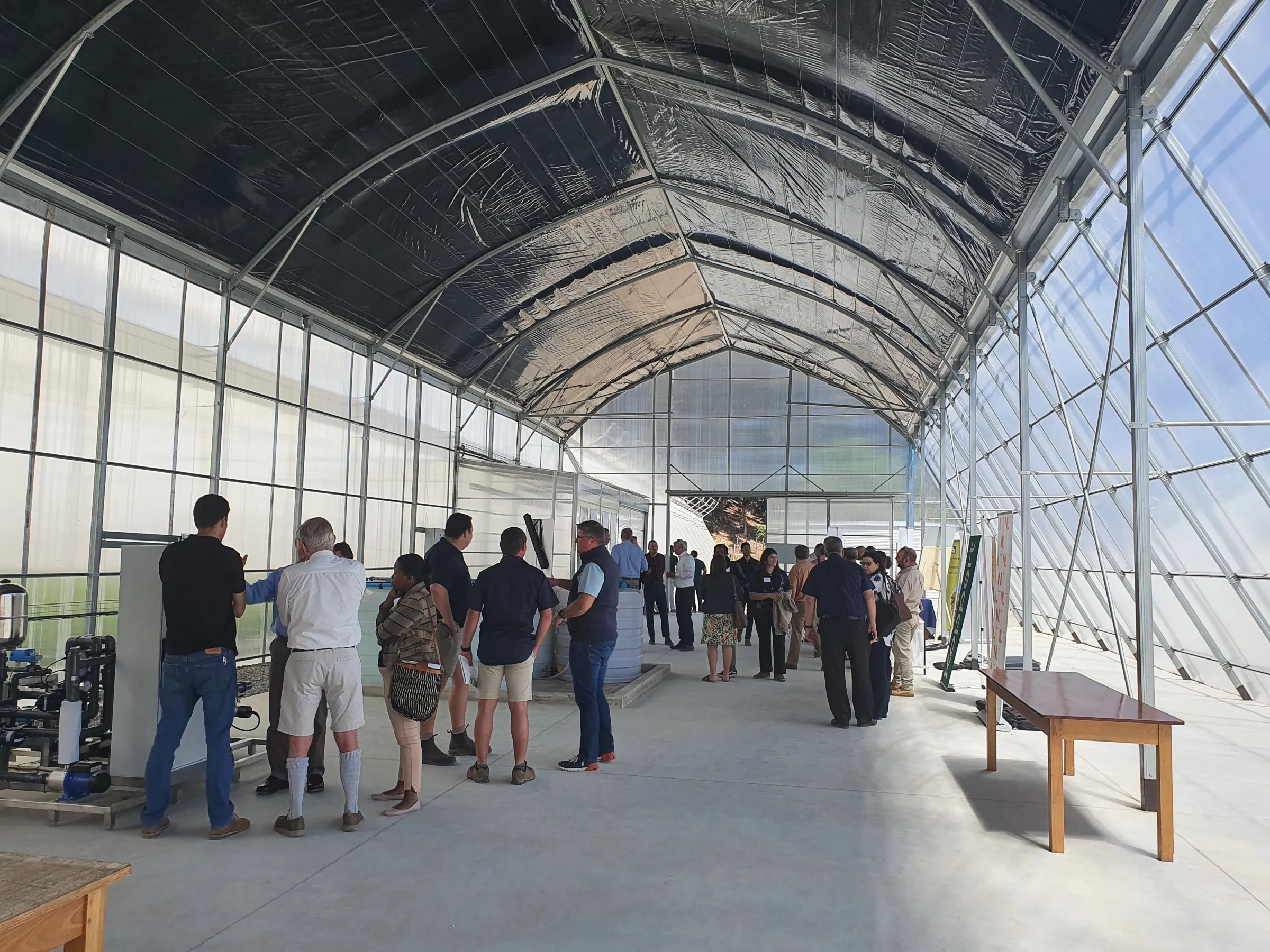
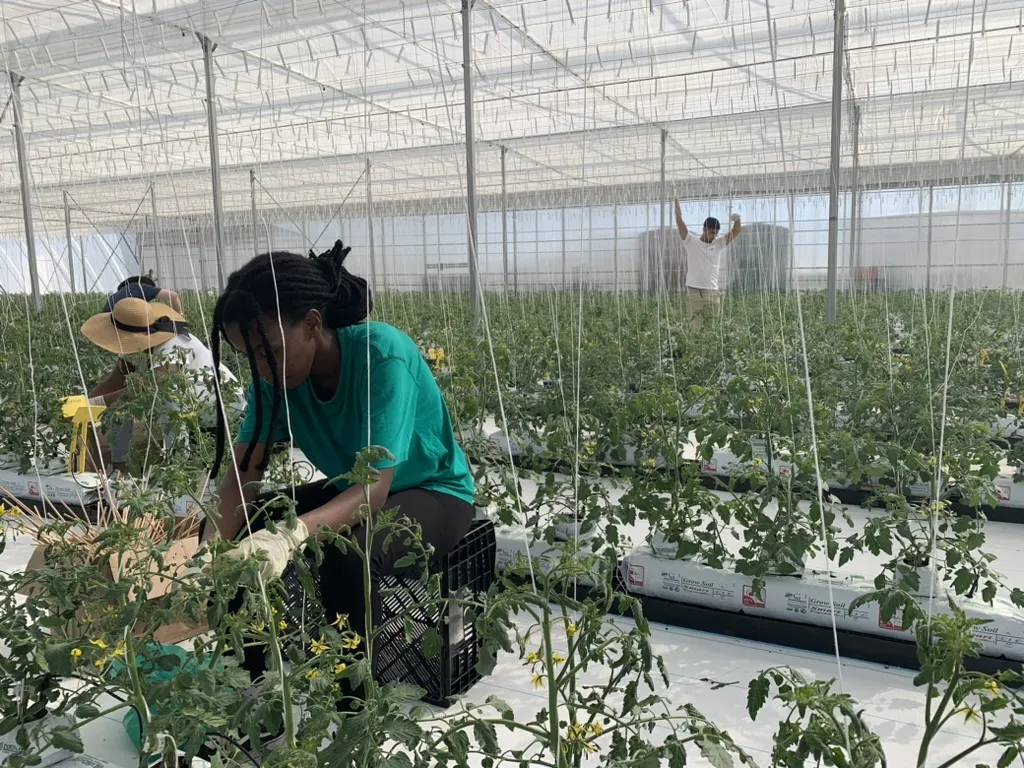
While protected horticulture exists in South Africa, fully integrated systems are not commonly used. Growers also lack access to practical demonstrations on how technologies work together. "HDC offers a complete greenhouse system rather than a collection of separate technologies," Estelle explains. "The value lies in the relationship between them. Climate management influences pest activity. Fertigation affects yield. Automation supports decision-making. And certification improves market access."
The HDC targets farmers, companies, students, extension workers, agronomists, researchers, buyers and retailers. The facility enables them to experience climate-smart systems in a real-world environment. Trainings are tailored to different levels of expertise, making them thorough and accessible. This approach helps develop people's skills throughout the value chain.
Knowledge transfer meets business
The HDC project specifically links knowledge transfer to commercial viability. For Dutch companies like Delphy, it offers an opportunity to demonstrate technologies under South African conditions. This helps build credibility with growers, industry partners and potential clients. South African partners, in turn, gain access to world-class greenhouse innovation.
"The HDC shows how high-tech systems respond to challenges in South Africa, such as extreme heat events, irrigation failures, pest pressure and labour constraints", Estelle says. The result is less uncertainty and investment risk. Mutual benefits also lay the basis for future collaboration. For example, through feasibility studies or commercial contracts.
Opportunities for research
Research is another area that benefits from the project. There are more opportunities for industry-linked research, postgraduate training and internships. The HDC's strength is its practicality. Estelle explains, "The centre makes academic programmes more practical and reinforces the university’s role as a bridge between science, industry and development."
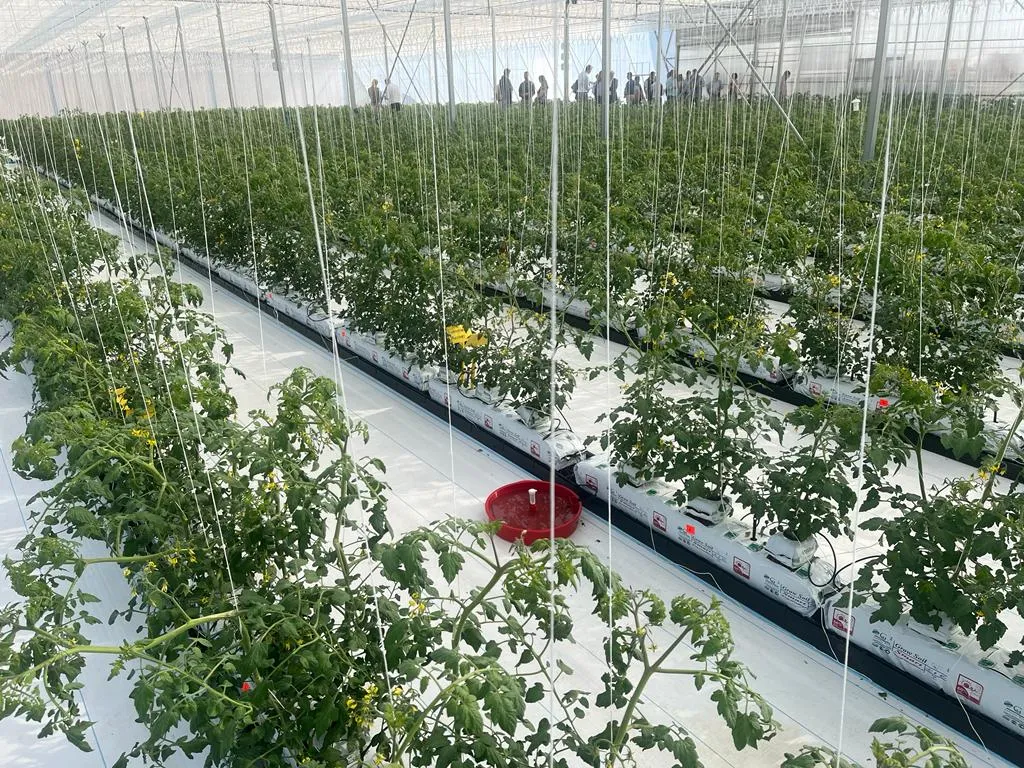
The collected data shows how different technologies and management strategies perform. It is essential for learning, solving problems and improving the way the project is managed.
Results so far
The results the HDC has achieved so far include:
- Lowering water use to 4–8 litres per kilogram, down from 15–30 litres per kilogram;
- Saving 50–60% of fertiliser through recirculation and nutrient management;
- Using 40% less chemical pesticides through integrated pest management;
- Training more than 2,000 people, including farmers, students and technical staff;
- Creating 15+ jobs, with 10–30% higher income for a majority of trainees;
- Attracting more students and further investments in the facility;
- Developing business opportunities for participating partners;
- Inspiring Dutch companies to set up a similar project in Grootvlei, South Africa.
The future of HDC
The project's long-term goal is to become a regional hub for climate-smart protected horticulture. This includes contracts with (Dutch) seed companies and other businesses, offering paid training programmes and studying sector growth. Taken together, the HDC's activities aim to help the sector make better investment decisions.
Advice for entrepreneurs in horticulture
Estelle offers several tips for entrepreneurs in horticulture:
- Prioritise hands-on training before making capital investments.
- Understand climate control strategies, fertigation, integrated pest management and market requirements.
- Climate-smart systems can be efficient, sustainable and profitable. But they need skilled people to operate well.
Working in an impact cluster
The Netherlands Enterprise Agency (RVO) supports the HDC through the Impact Clusters (IC) programme. In IC, companies work together to create long-term impact in a local market. Partners included Delphy, Stellenbosch University, Greener Solutions, Ludvig Svensson, Ridder Group, Rijk Zwaan, Koppert South Africa and Control Union. Each partner contributed its own expertise to the HDC, from seed genetics and climate screens to automation.
"RVO improved coordination between partners and aligned the project with sustainable economic development objectives", Estelle explains. "It shows how strategic government support can create impact in practice."
Contact us
Want to know more about Impact Clusters? Read about the programme on the IC subsidy page or contact us to speak to an adviser.
- Ministry of Foreign Affairs