How biodigesters are empowering refugees to build agribusinesses in Uganda
The content of this page has been checked on 15 June 2026
In Uganda's Kyangwali refugee settlement, families are facing rising food costs, less funding and limited access to clean energy. But a growing number of refugees are finding a new source of income and stability through biodigesters.
Cooking fuel and fertiliser
Biodigester systems turn organic waste into cooking fuel and fertiliser for farming. One of the residents using them is Zawadi Fikiri, Treasurer of the Bioenergy Umbrella Association of Kyangwali (BUAK). Having fled from conflict in the Democratic Republic of the Congo, she lives in the Kyangwali Refugee Settlement in Western Uganda with her 4 children.
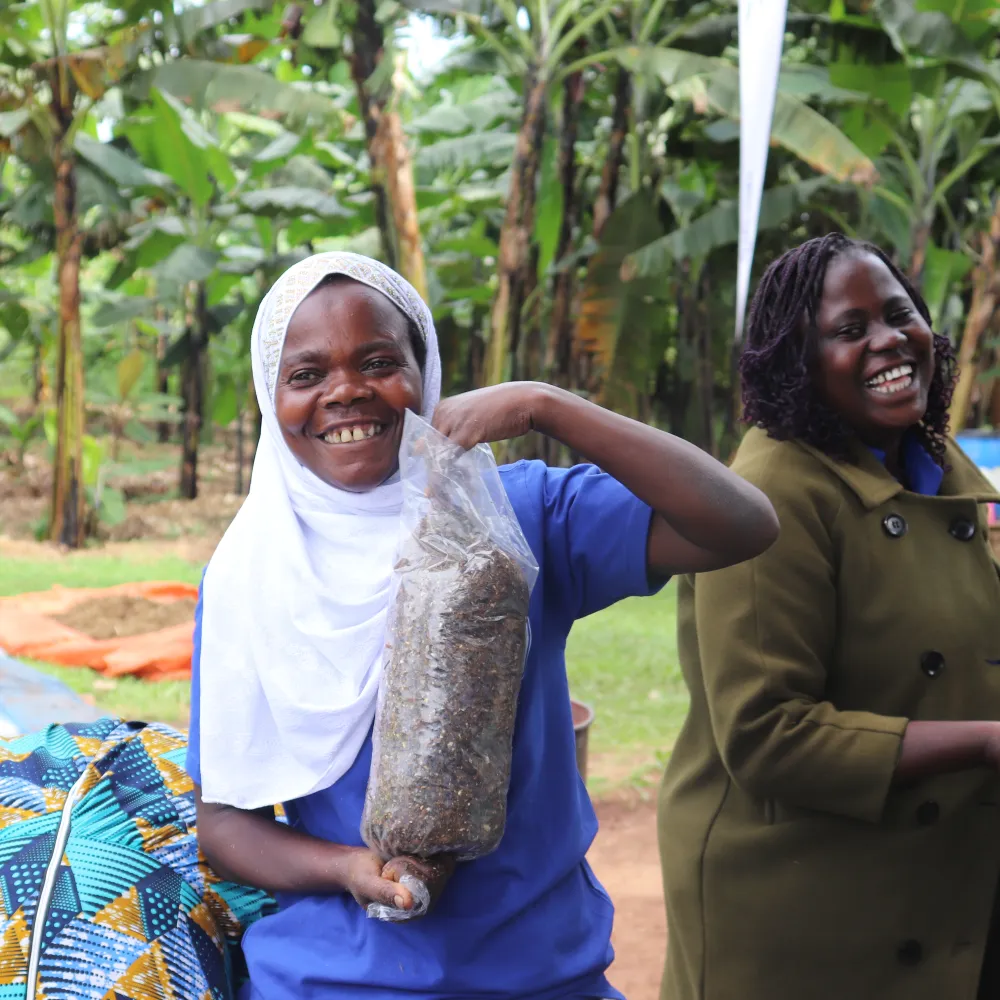
Zawadi used to worry about paying her children's school fees. Now she owns a biodigester, which she uses to turn organic waste into biogas for cooking and bio-slurry on her farm. Thanks to the profits from growing and selling mushrooms, she has enough money to pay for her children's education. She can even save to grow her business. She is one of the few people in her community who knows how to use bio-slurry to grow mushrooms. She is excited to teach others, which will help other families benefit from her knowledge.
Fighting food and energy insecurity
The Kyangwali refugee settlement hosts over 145,000 residents. In recent years, life in the settlement has become more difficult. In 2026, funding for humanitarian aid has decreased. This has lead to increased food insecurity and malnutrition. Only 14% of children in the settlement eat enough different types of food.
At the same time, only 2% of households in districts with refugees have on-grid electricity. Most families must buy expensive firewood or charcoal to cook their meals. To help address these problems, the Netherlands Enterprise Agency (RVO) coordinates the ABC programme. This programme works to build a lasting, commercial market for biodigesters. By doing this, the programme helps the local private sector grow. As a result, more people have access to clean energy.
The ABC programme has already improved the skills of 21 biodigester businesses in Uganda. One example is the local business Enercom Uganda Limited. Enercom now has the professional skills to install biodigester systems that meet national standards. These biodigesters create new trade and investment opportunities for local entrepreneurs. By working with local partners, the programme helps develop markets that benefit everyone.
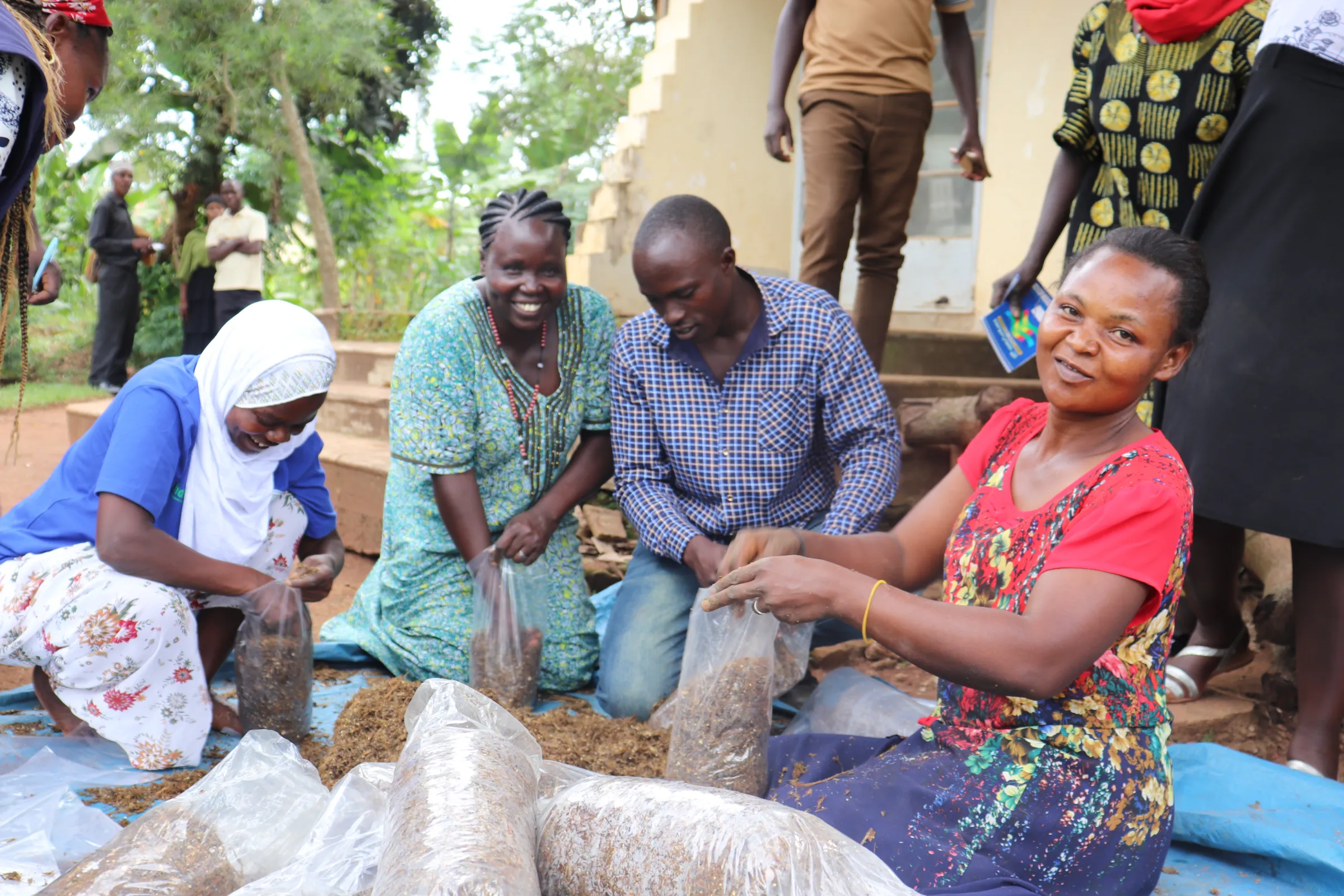
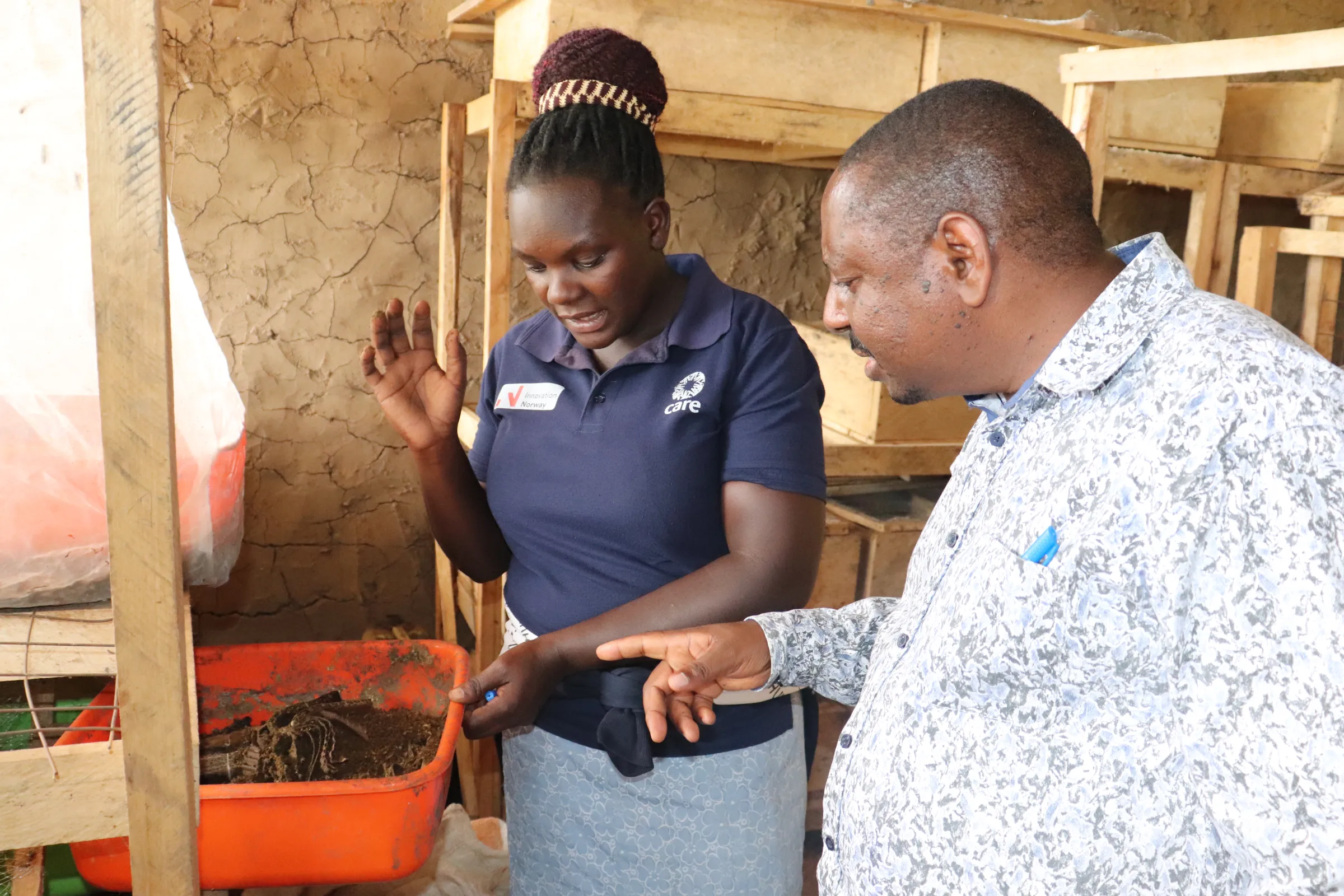
The ABC programme also works to ensure the market is inclusive for women and youth. The programme provided training to 14 participants from local women's and farmer groups to become trainers for their communities. They learnt how to use nutrient-rich bio-slurry as a fertiliser for farming. By teaching people how to use this product, the programme connects clean energy to food production. By showing people how to use bio-slurry as fertiliser, the programme helps communities turn clean energy solutions into better harvests and increased food security.
Helping schools save money
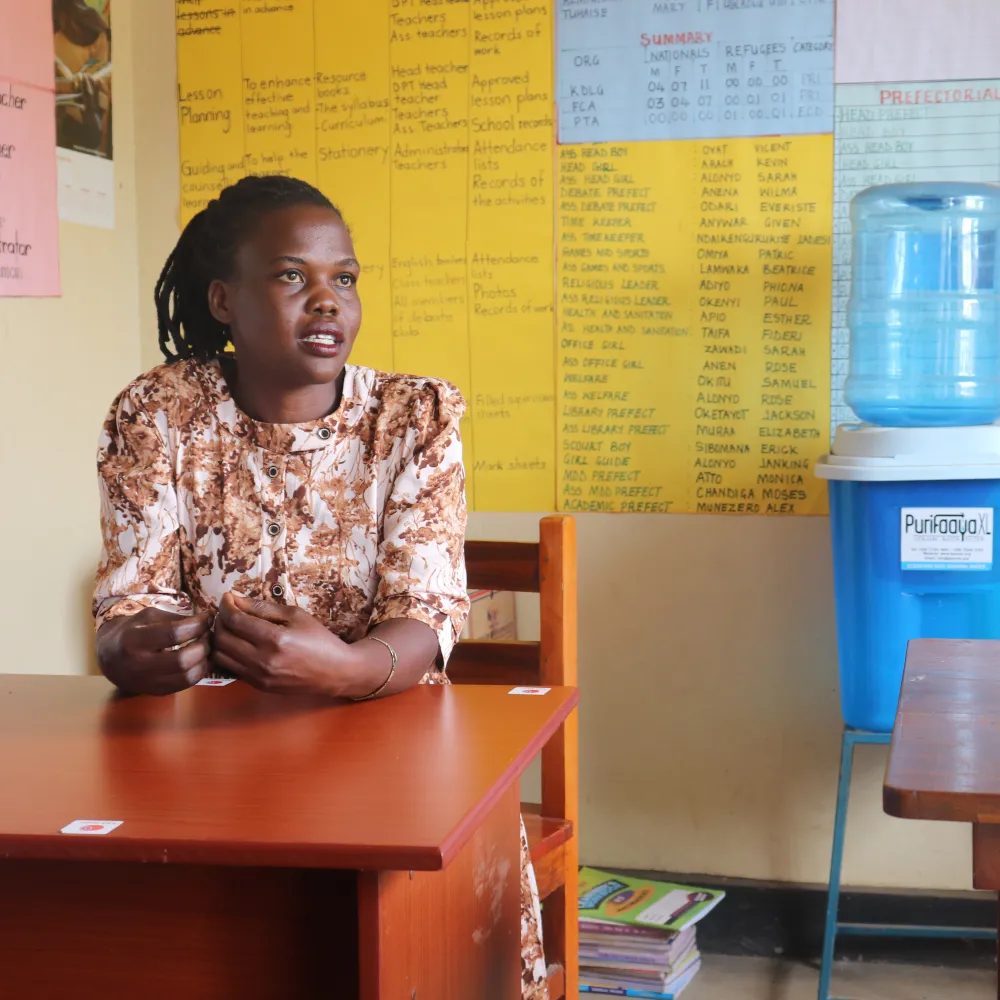
Programme partners also support local schools in the settlement. Ngurwe Primary School uses a large biodigester for its kitchen to prepare meals for the students. Fatumah Kyeyahura, a teacher at the school, says the school used to buy 2 trucks of firewood every term. With the energy from the biodigester, they save 1 truck of firewood to meet their needs.
The school also uses bio-slurry to grow 5 acres of maize. Fatumah explains that the maize crops are now looking much greener. As a result, every student now enjoys a cup of porridge each day. The school has introduced a dynamic bio-slurry learning programme, where primary school learners gain hands-on experience in using organic waste to improve their own food security.
Moving from aid to owning a business
Market development requires a shift to resilience, creating opportunities for local ownership. The Bioenergy Umbrella Association of Kyangwali (BUAK) is a refugee-led business leading this change. It shows how entrepreneurs and civil society can work together to achieve prosperity for all. BUAK uses an innovative 'loan-to-own' model. In this model, families pay for 30% of the biodigester with their own labour and materials.
BUAK pays for the other 70% from a special fund. Because cash is scarce in the settlement, families repay the loan with extra bio-slurry as currency. BUAK processes this slurry into high-quality compost and sells it on the open market. All the profits go back into the fund to help more families buy biodigesters. This circular economy turns waste into a valuable product, helping the community build resilience and wealth.
The African Biodigester Component (ABC) programme
The ABC programme supports the growth and sustainability of the commercial biodigester sector in Sub-Saharan Africa. The Netherlands Ministry of Foreign Affairs funds the programme. The Netherlands Enterprise Agency (RVO) coordinates it with partners like SNV, GIZ and the Ugandan Ministry of Energy. By cooperating with local partners, the programme helps develop markets that benefit everyone.
Questions?
Would you like to learn more about projects like this? Visit our Development Cooperation project database or email us.
- Ministry of Foreign Affairs