Powering Uganda: Unlocking the potential of biodigesters
The content of this page has been checked on 24 November 2026
In 2022, many biodigester businesses in Uganda paid high import taxes and faced challenges in selling their products. RVO worked with partners to create the enabling conditions for the Ugandan biodigester sector to grow. The African Biodigester Component helped build trust, lower costs and improve conditions for the biodigester market.
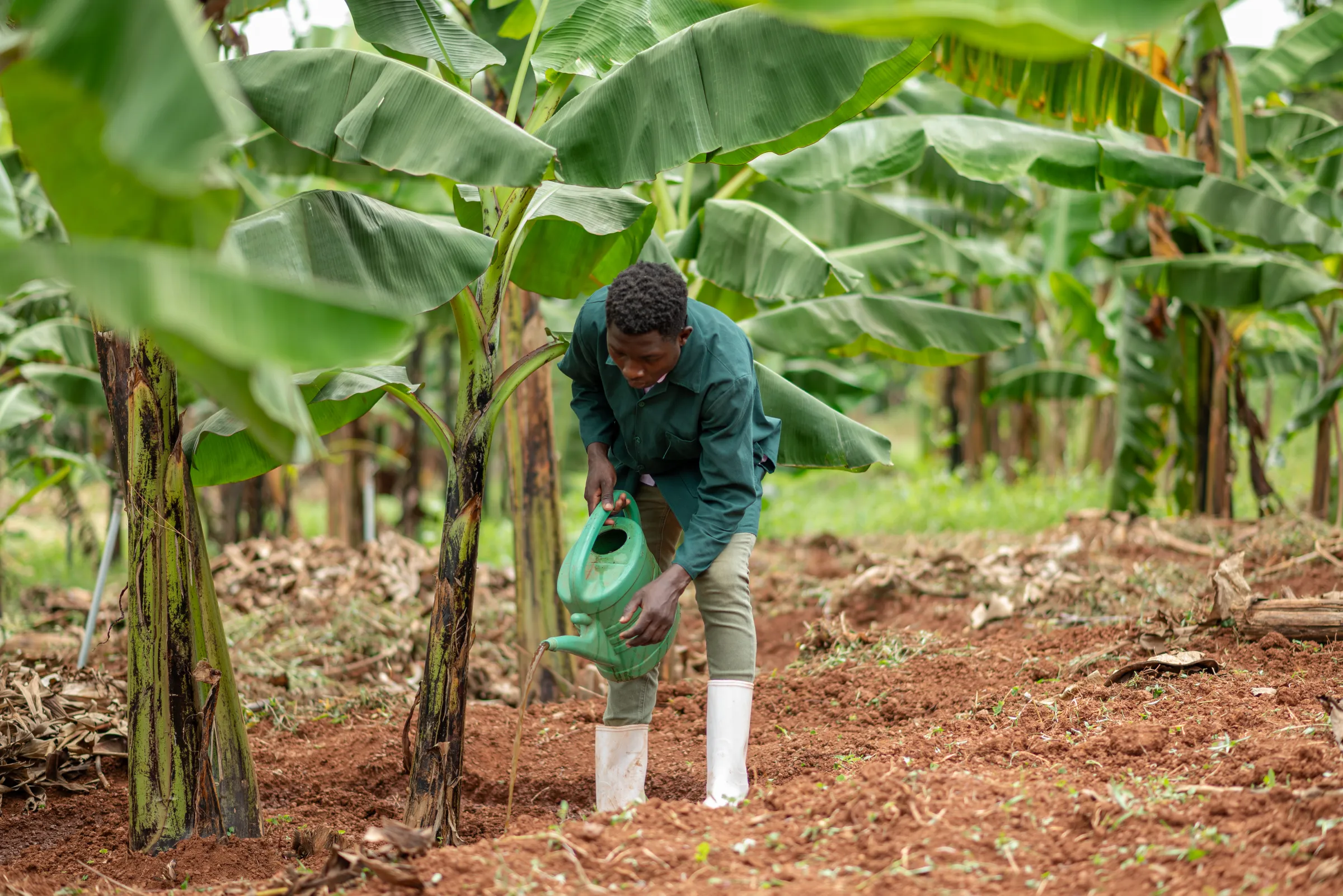
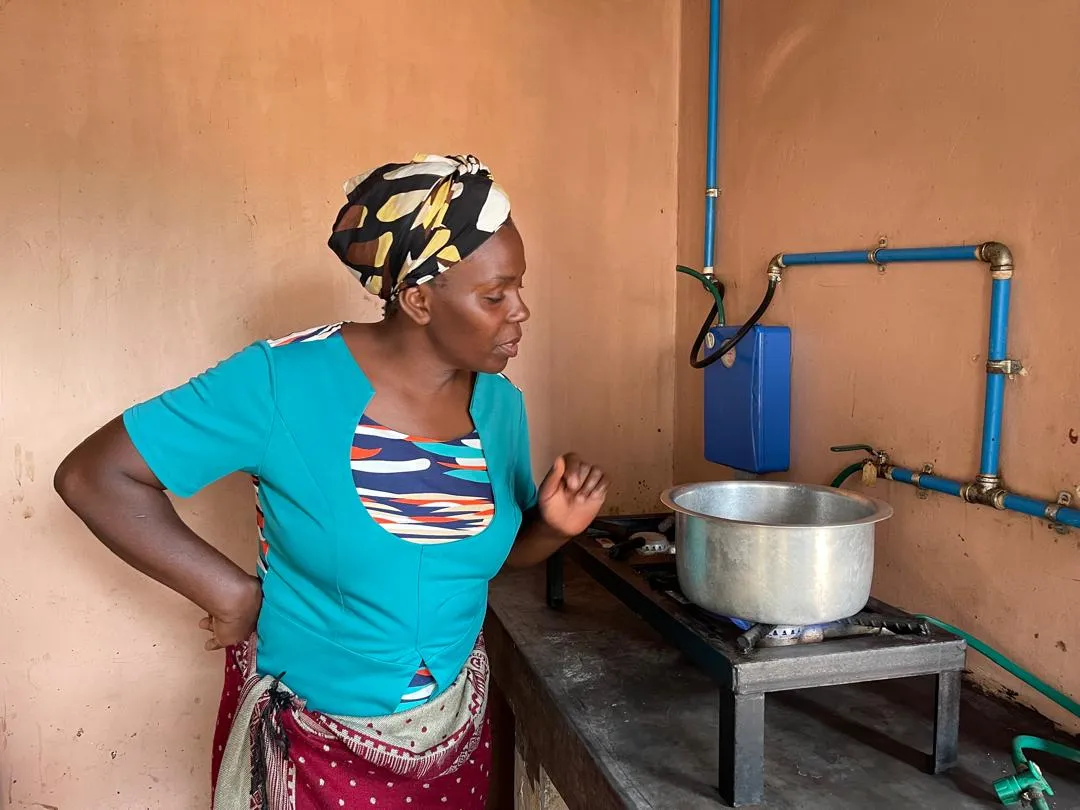
Across rural Uganda, many families rely on wood and charcoal for daily cooking, which exposes them to harmful indoor smoke. Biodigesters offer a clean and practical alternative for rural homes and farms. They turn organic waste into biogas for cooking and nutrient-rich bioslurry. This bioslurry can be used as organic fertiliser, helping farmers boost their harvests while reducing dependence on chemicals. By switching to biogas, families breathe safer air at home and contribute to a more sustainable environment.
Building trust through official quality standards
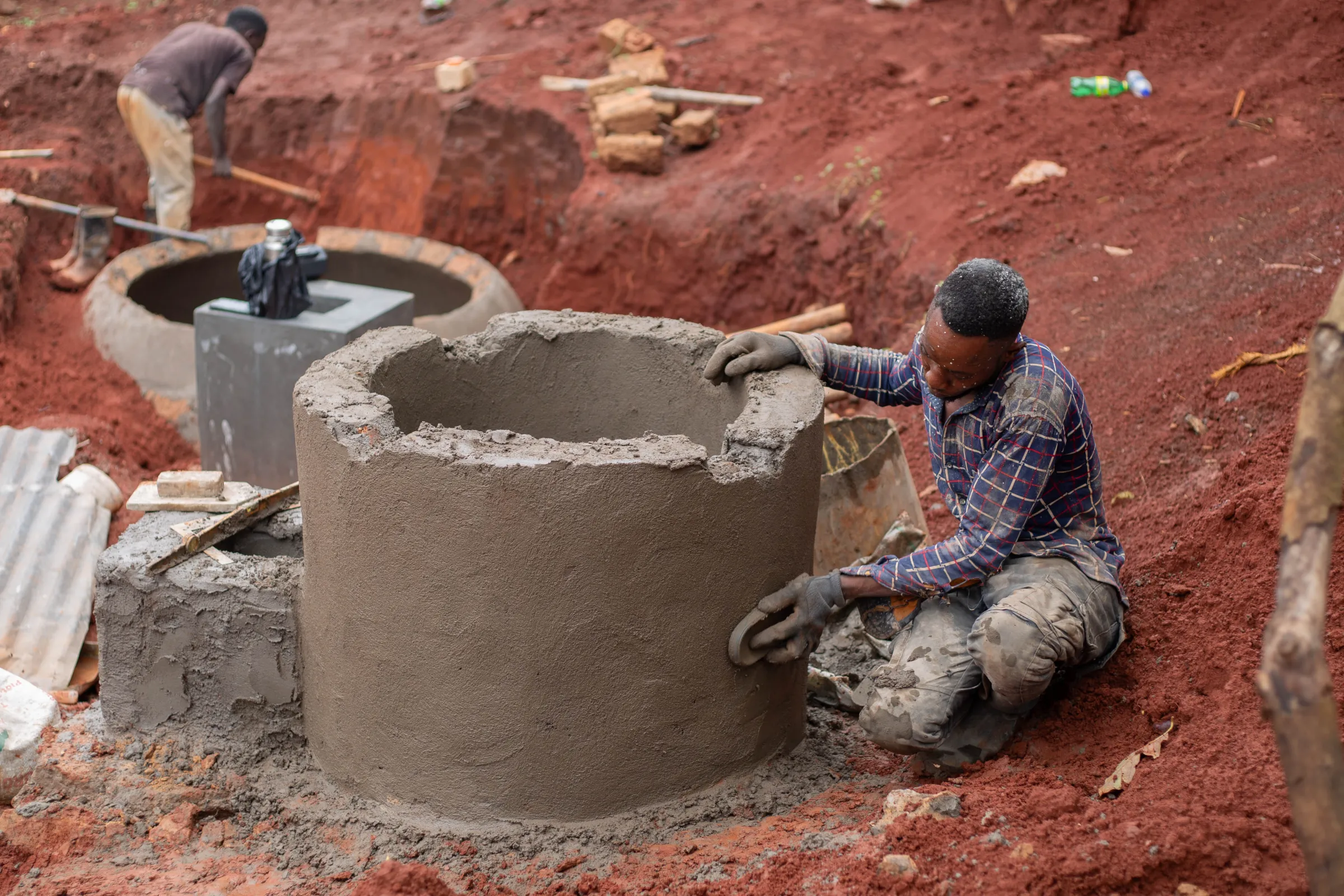
Families are more likely to buy a biodigester when they know it is safe and built to last. In the past, low-quality products and poorly built biodigester units damaged customer trust. To address this, the Deutsche Gesellschaft für Internationale Zusammenarbeit (GIZ) worked with government ministries and standard organisations. Together, they developed national technical guidelines for the construction, operation and maintenance of fixed-dome digesters. These are underground biodigesters.
GIZ and its partners developed these guidelines in consultation with representatives from MAAIF, the Uganda National Bureau of Standards (UNBS) and ABC partners. The guidelines provide a reference to ensure that biodigesters are of high quality and remain safe and reliable.
Creating demonstration sites and regional hubs
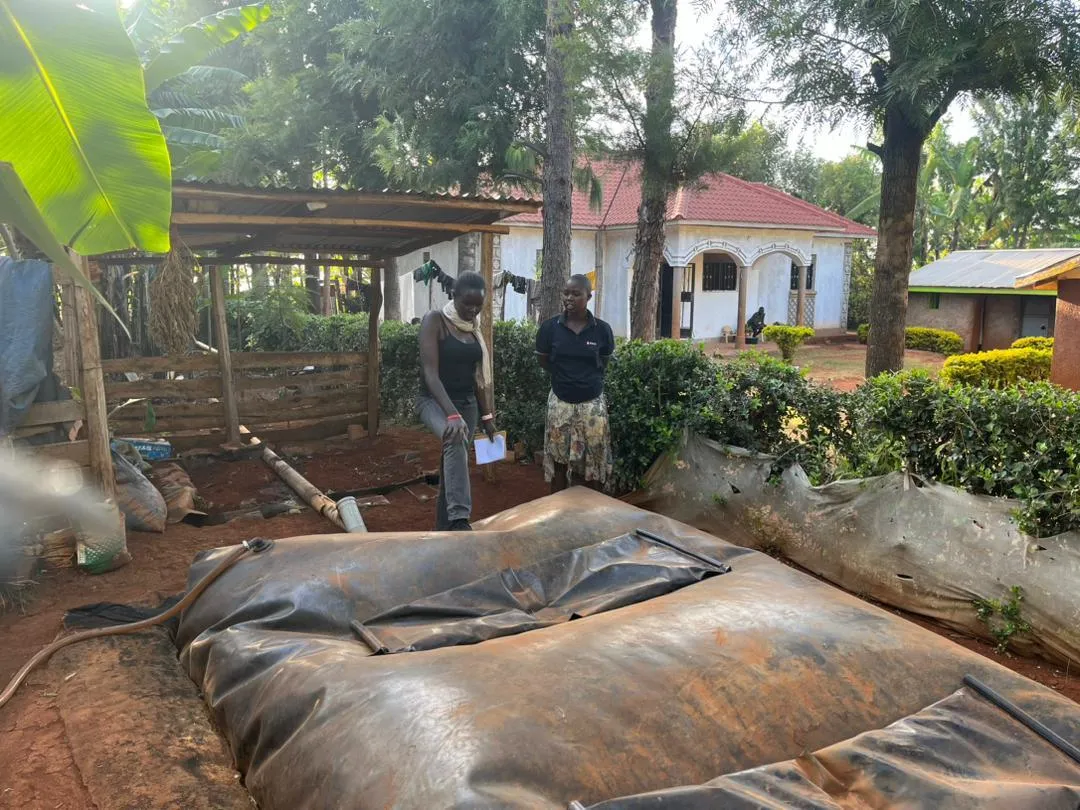
The project also showed how businesses and technicians can apply the guidelines in practice. ABC trained 14 biodigester businesses and 49 technicians on the new quality guidelines. In 2024, the programme established a household demonstration site in Kawempe, a suburb of Kampala, at Mrs Dorothy Matovu's home. GIZ supported this site under ABC to show best construction practices and act as a training and knowledge centre for other farmers and community members. The system converts cow dung from Dorothy's 2 cows, along with her kitchen waste, into biogas for household cooking. The biodigester also produces nutrient-rich bioslurry, which is used as organic fertiliser in her garden.
At the same time, the Uganda National Alliance for Clean Cooking (UNACC) created 5 regional clean cooking hubs with GIZ support in Wakiso, Jinja, Kabale, Mukono and Soroti. These hubs bring clean cooking solutions closer to households, institutions, businesses and local governments. They also serve as centres for regional coordination, knowledge sharing, capacity building and market development.
Reducing taxes to lower costs
The government charged an 18% value-added tax and a 6% withholding tax on imported biodigester equipment. These extra costs made clean cooking tools too expensive for many households. To address this, GIZ developed a tax exemption handbook and a tax position paper. GIZ also supported the Ugandan Ministry of Energy and Mineral Development (MEMD) and the Uganda National Alliance for Clean Cooking (UNACC) in organising discussions on taxation with over 100 participants in the clean cooking sector. Tax officials, the Uganda Revenue Authority, policymakers and businesses took part in the meetings. These meetings gave energy businesses the opportunity to speak directly with tax officials about the problems they faced with high prices.
The consultations and discussions produced 2 practical tools:
- A tax-exemption handbook for the responsible ministries. The handbook offers clear guidance on importing biodigester appliances and components into Uganda. It includes information on tax exemptions, customs procedures and regulatory compliance.
- A tax policy position paper requesting the government to remove taxes on equipment. Following the taxation dialogue, UNACC and MEMD presented the paper to the Ministry of Finance, Planning and Economic Development (MoFPED).
Building market linkages and training biodigester ambassadors
To help the market grow, biodigester companies needed better connections with farmers. ABC partners worked with MAAIF to apply the bioslurry guidelines to national agricultural policies and officially recognise bioslurry as a valuable natural fertiliser. The project also trained 43 local government district extension officers as 'Biodigester and Organic Fertiliser Ambassadors'. These officers work closely with local farmers every day. They teach farmers how bioslurry enriches soil and increases their harvest.
"The ABC project supported Mpigi extension officers to build capacity to promote the installation of biodigesters. The officers bring technology to the district communities," said Dr Valentine Ssekivuvu, the Senior Agricultural Officer in Mpigi district. The project also connected biodigester businesses with local banks and savings and credit cooperative organisations (SACCOs). This makes it easier for families to get small loans.
Handing over leadership to national groups
When the ABC project closed in 2026, national groups took full ownership at different levels.
- MEMD took charge of the National Biodigester Strategy and sector coordination.
- Biogas Solutions Uganda Limited took over management of the demonstration site and business networks.
- Biogas Solutions Uganda and MEMD took charge of the construction and bioslurry guidelines to ensure use, training and quality assurance by biodigester businesses and construction workers.
- UNACC is working with regional clean cooking hubs and raising awareness of available information and installation and repair services.
- MAAIF will launch and implement the National Organic Agriculture Bill.
As the project came to an end, the MAAIF Agricultural Commissioner for Crop Production, Mr John Lodungoko, said, "ABC is closed, but the market is open". Thanks to clear guidelines, lower costs and greater market trust, the Ugandan biodigester sector now has an enabling environment where businesses can grow.
The African Biodigester Component (ABC) programme
This story comes from a project under the African Biodigester Component (ABC) programme. ABC supports the growth and sustainability of the commercial biodigester sector in Sub-Saharan Africa. The programme is part of the Strengthening the Entrepreneurial Ecosystem for Clean Cooking programme.
In Uganda, RVO led the African Biodigester Component (ABC) project with the Deutsche Gesellschaft für Internationale Zusammenarbeit (GIZ), SNV, Biogas Solutions Uganda Limited, the Ugandan Ministry of Energy and Mineral Development (MEMD) and the Ministry of Agriculture, Animal Industries and Fisheries (MAAIF).
Questions?
Would you like to learn more about projects like this? Visit our Development Cooperation project database or email us.
- Ministry of Foreign Affairs
