Meet the Private Sector Development coach
The content of this page has been checked on 16 November 2026
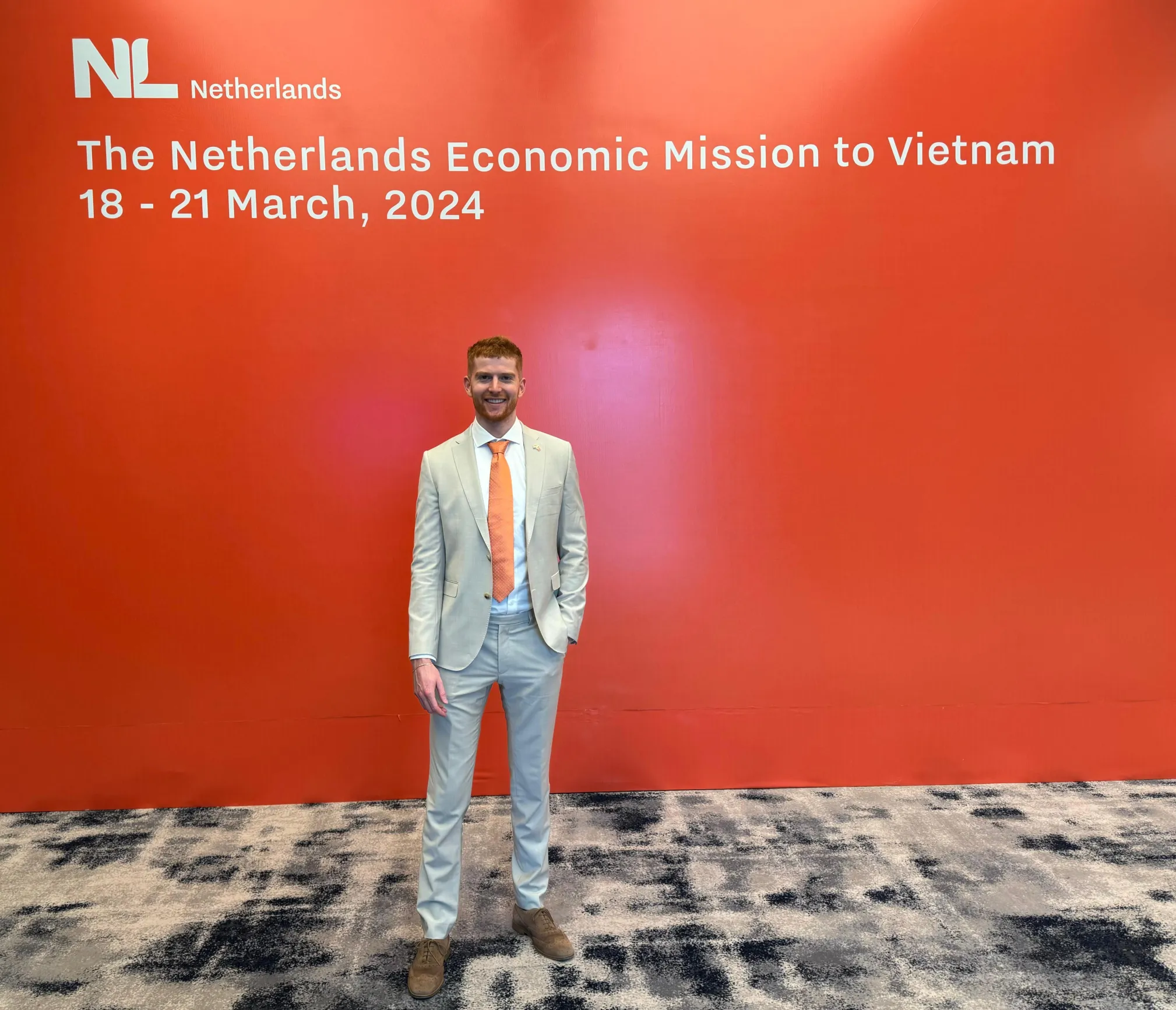
Massimo Lindeman is a Private Sector Development (PSD) coach at RVO. He and his team work closely with Netherlands embassies and businesses to support market development in low- and middle-income countries.
How did you become a PSD coach?
"I have worked as a PSD coach for more than 4 years. Before this, I studied law and completed a 2-year government traineeship (Rijkstraineeship). At that time, I joined the PSD Toolkit team and became very interested in international cooperation and impactful projects. I started as a PSD advisor in our flex pool on projects across Africa. After a few months, I became the PSD coach for Tunisia and Egypt. I now coach for Egypt and Vietnam.
My main job is to work closely with the Netherlands embassies in Egypt and Vietnam. I help them with their annual plans and multi-annual PSD country strategies. We use a flexible toolkit to set up custom activities. These include market studies, trade missions, training programmes and seminars. I share advice and ideas with the embassies and help them find the right RVO programmes and tools for their goals."
How does the programme support market development in low- and middle-income countries?
"We customise our approach to each country. In fragile settings such as Sudan, the PSD Toolkit helps develop the local private sector create jobs especially for young people, and support stability. In countries with growing economies such as Egypt and Vietnam, we connect local development with business opportunities. This approach benefits both parties by connecting Dutch expertise with local market opportunities to solve local challenges.
We also help identify the conditions businesses need to grow. This includes access to knowledge and funding, better regulations and good cooperation with local governments. Instead of one-off projects, we use a series of activities that build on one another and strengthen each other over several years. Impact Clusters is one example. These initiatives bring together businesses, local partners, knowledge institutions and civil society organisations (CSOs) to create lasting results over many years."
What are the most significant barriers for SMEs in these markets?
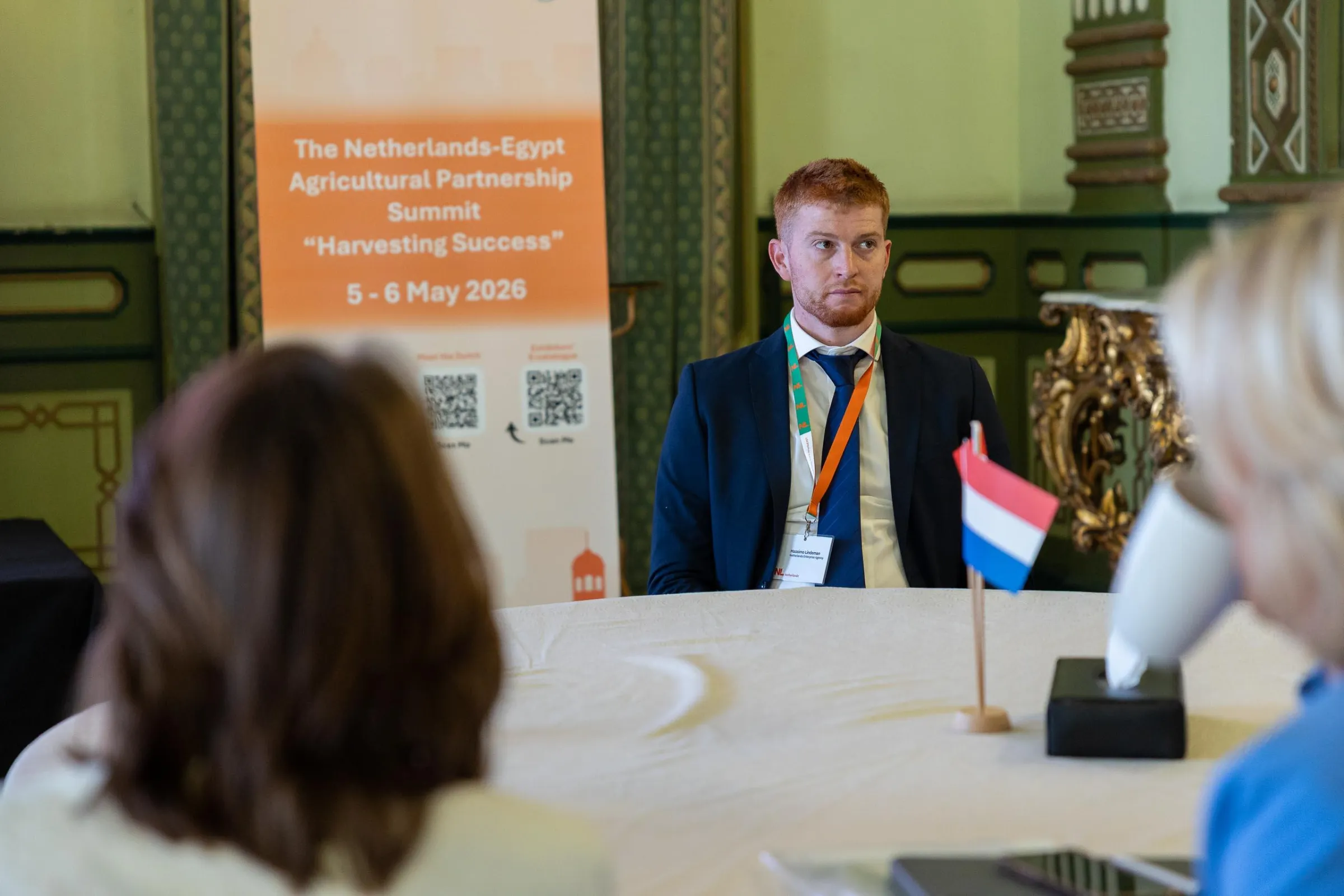
"Small and medium-sized enterprises (SMEs) face several challenges when entering these markets. First, it is difficult to understand the local market, find reliable partners and adapt to cultural differences. For example, in Egypt, miscommunications can happen because Dutch and Egyptian organisations have different business styles. We are making a video to explain how organisations in both countries operate and approach business.
Second, companies must prove that their product or technology works in the local environment. Local customers want clear results before they invest. For example, the Dutch company TipTopp produces probiotics for aquaculture. Probiotics look like any other white powder, so it is hard to convince customers of the benefits without showing results in practice. We support companies so they can test and demonstrate their products in local conditions."
How does private sector development support other development goals?
"Private sector development helps achieve broader goals such as food security, job creation and stability. A strong local private sector creates jobs and new opportunities. We do not just support individual companies. We also look at the wider business environment. For example, in Egypt, we work with local partners to develop the seed sector. Egypt aims to become a regional seed hub. The Netherlands has extensive expertise in seeds. We set up a 3-year project with SeedNL to support seed trade, innovation and climate-smart farming in the country. This project helped develop the market and created opportunities for Dutch seed companies.
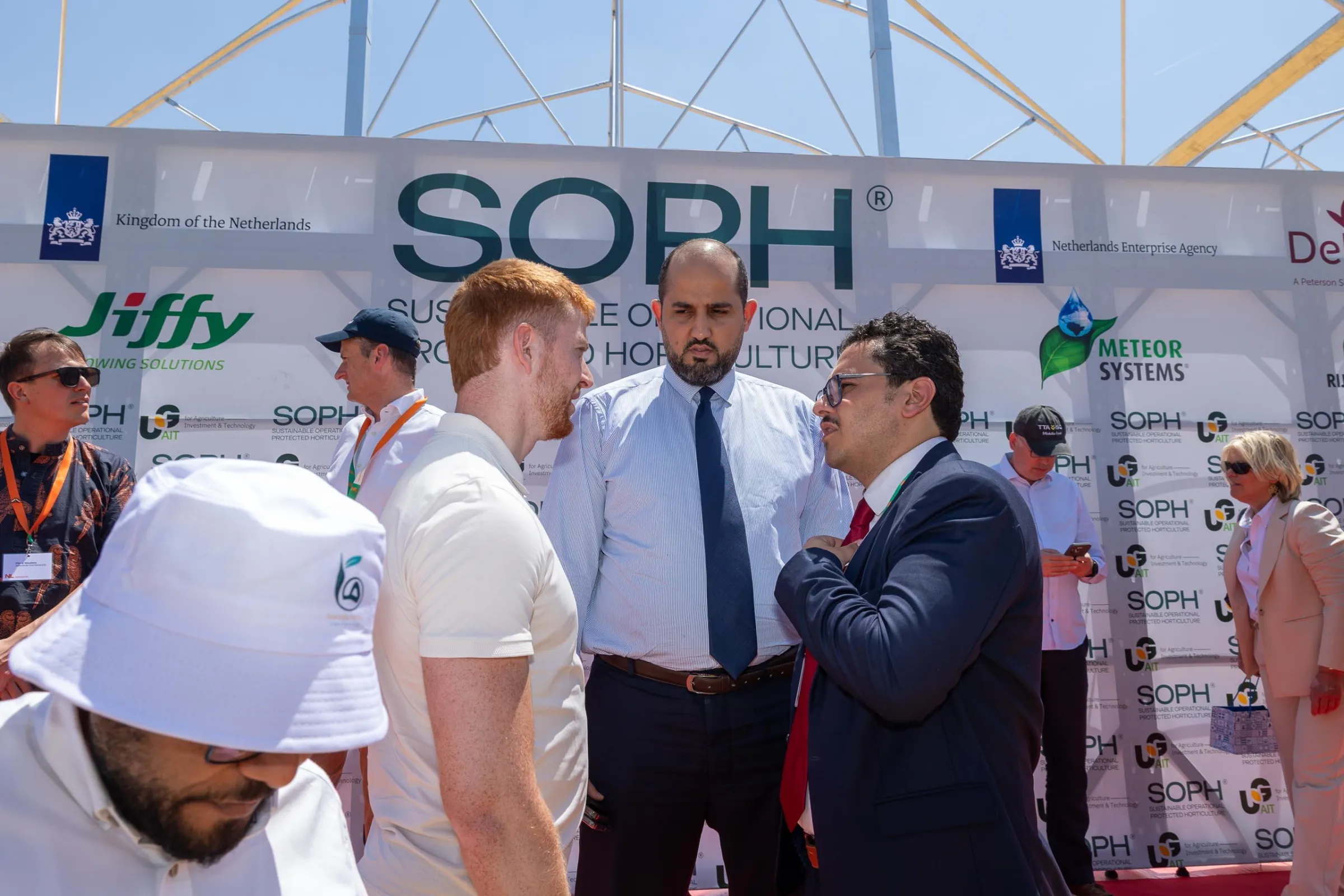
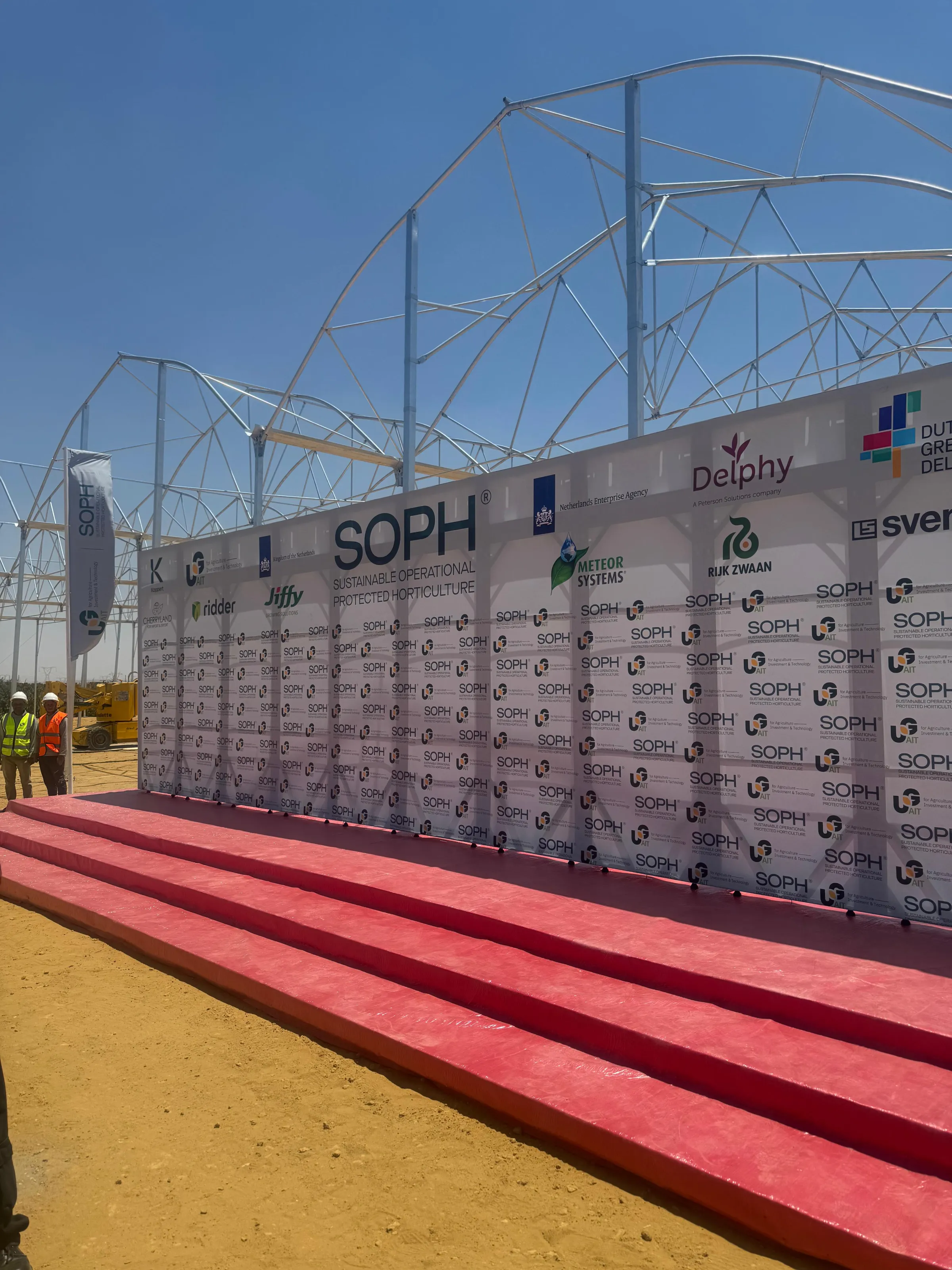
Another example is the greenhouse sector in Egypt. We started with a market study and a trade mission. This led to a business development programme and an impact cluster. As part of this cluster, Dutch and Egyptian partners are building a centre of excellence. This centre will showcase new greenhouse technologies, offer scientific studies and train local farmers and students in sustainable water-smart agriculture."
What team project stands out to you?
"A great example is the ShrimpTech Vietnam Impact Cluster in the aquaculture sector. Through this project, we have trained over 400 farmers in methods that lower greenhouse gas emissions. The project introduced smart technology, probiotics and mangrove-shrimp farming to improve production. This project also created many new partnerships and opportunities throughout the entire supply chain:
- Hendrix Genetics works on disease-free shrimp genetics adapted to the Mekong Delta conditions;
- Lugten Aquaculture works on combining clam farming with shrimp farming for a more stable income for farmers and to improve water quality;
- Agriterra worked with local farmer cooperatives to make them more inclusive and financially stable;
- The Centre for the Promotion of Imports from developing countries (CBI) started a project to improve branding of Vietnamese shrimp for export to the European Union market;
- Skretting Vietnam, a subsidiary of the Dutch feed company Nutreco, formed a new partnership with the Vietnamese company Rynan Technologies to combine feed and technology expertise.
Another memorable project was an e-commerce programme in Vietnam with the International Trade Centre and Alibaba. We supported around 30 women-led small businesses with online platform memberships and training. During an evaluation in Hanoi, one woman travelled across the country with her baby to attend the programme. She said the programme helped her build her business and improve her family's livelihood."
What is it like to work with the other PSD coaches?
"We have a team of about 35 PSD coaches working in 40 countries in Africa, Asia, Europe and South America. The PSD coaches have different backgrounds and work in different regions, but many challenges are similar. We share our experiences through quarterly learning sessions and regional meetings. Our sub-team analyses final project reports to share useful lessons. Informal office conversations are also very helpful. I enjoy the variety in my work. For example, in Vietnam, I work on aquaculture, flood risk management, the coffee sector and technologies like semiconductors. I also enjoy bringing different partners together. It is rewarding to see a small initiative grow into a lasting partnership that makes a real difference for local communities and businesses."
- Ministry of Foreign Affairs
