How the MHPSS Surge Mechanism strengthens humanitarian responses
The content of this page has been checked on 3 September 2026
The Mental Health and Psychosocial Support (MHPSS) Surge Mechanism is a rapid response programme designed to provide expertise during humanitarian emergencies. The Netherlands Enterprise Agency (RVO) implements the mechanism on behalf of the Netherlands Ministry of Foreign Affairs.
Over 6 years of deployments, MHPSS experts have supported nearly 60 countries with rapid, short-term expertise and supporting capacity. The mechanism helps integrate MHPSS into multiple aspects of humanitarian responses. In 2026, the programme extended its focus by partnering to integrate MHPSS in peacebuilding activities.
Filling the gap in global coordination
Fahmy Hanna is the co-chair of the Surge Steering Group within the Inter-Agency Standing Committee (IASC) Reference Group on MHPSS. He is also a technical officer at the World Health Organization (WHO) Headquarters. At an MHPSS training workshop hosted by RVO in The Hague in June 2026, Fahmy explained that the mechanism serves as a 'standby partner' to help organisations such as UNICEF, IOM and UNHCR and NGOs such as Action Contre la Faim (ACF), also known globally as Action Against Hunger, manage complex responses. By deploying specialists to crisis zones within days, the mechanism ensures that mental health support is integrated into every part of a humanitarian response.
The Surge Mechanism became operational in January 2020. Although it was designed for conflicts, the first deployments occurred during the COVID-19 pandemic. According to Fahmy, the mechanism quickly demonstrated the urgent need for rapid deployment during public health emergencies.
Since then, the programme has grown significantly. The roster of available coordinators has expanded from fewer than 10 to more than 650. The professionals are multilingual and come from a wide range of countries and regions. ''Having this many skilled people ready to deploy means we can support an Ebola response in Uganda and flood-affected communities in Nepal at the same time. We have experts who speak the local language and understand the context," Fahmy said.
The investments in the programme have helped double the number of countries with active MHPSS coordination, reaching more than 50 countries, covering the vast majority of humanitarian emergencies. The surge mechanism has contributed to this progress by rapidly providing experienced coordination and technical expertise upon request from humanitarian actors. The mechanism also focuses on emergency preparedness, with experts currently preparing for both conflict and health responses in the Democratic Republic of the Congo, the Central African Republic and Angola.
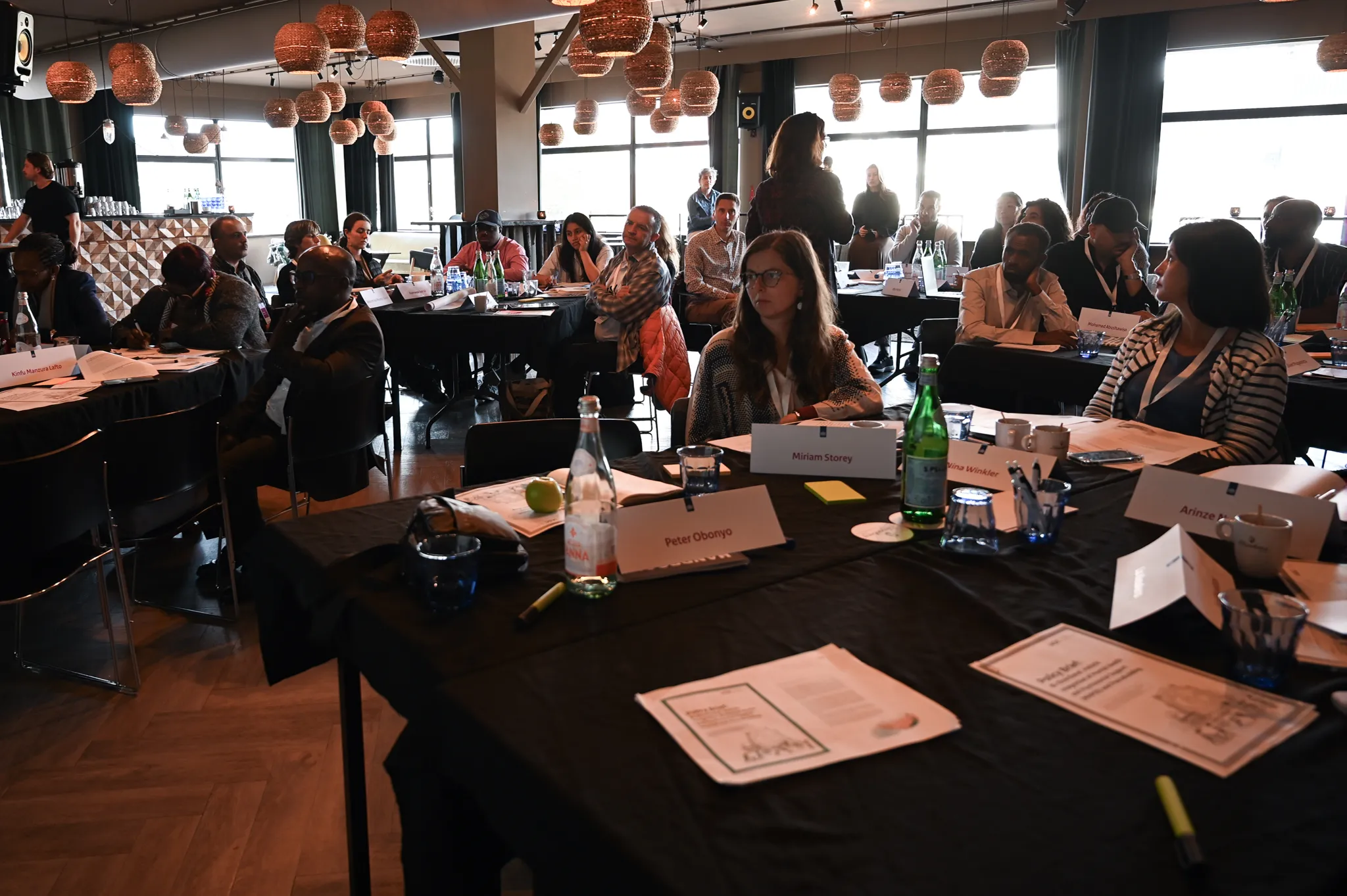
Caption
Caption
MHPSS specialists at a Coordination and Interagency Support Training in The Hague.
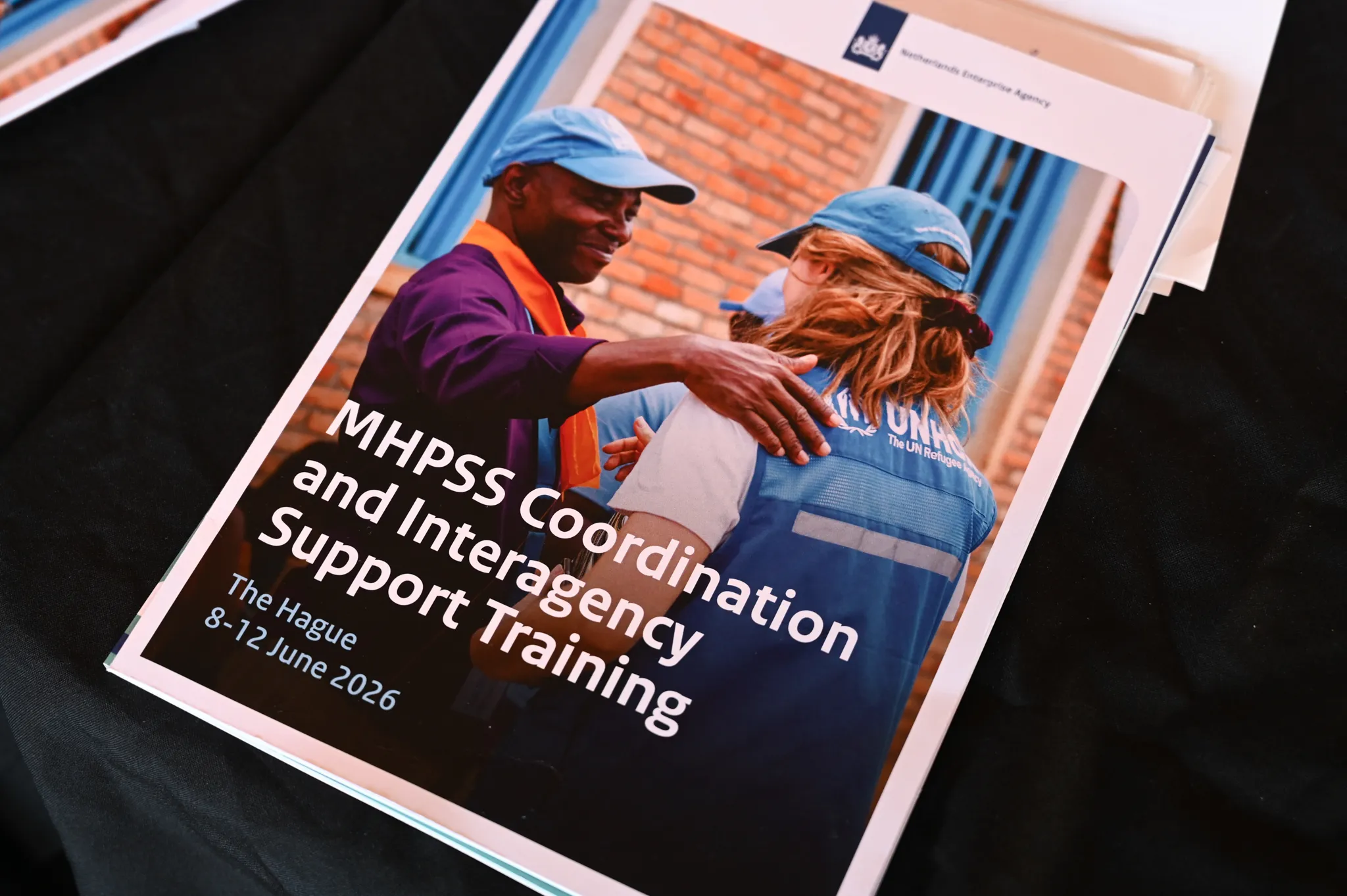
Humanitarian diplomacy and infrastructure
Fahmy explained that MHPSS is a multisectoral field in which actors must integrate mental health into various sectors, including education, protection and food aid. Only effective coordination can turn separate aid activities into a cohesive system that supports people's well-being. To achieve this, coordinators require unique skills in humanitarian diplomacy to oversee the various sectors and ensure that evidence-based principles are applied.
Viktor Vus, an MHPSS technical advisor and senior researcher, instructed MHPSS specialists at a workshop organised by RVO in June. He believes that coordination builds the humanitarian infrastructure required for a successful response. Viktor explained that the right infrastructure includes vertical and horizontal levels of cooperation and the capacity for community-level support. While based in Ukraine, he co-chaired the National MHPSS technical working group (comprising around 450 actors) and worked with the government to make MHPSS reporting mandatory. This directly increased the services available for children. In this way, effective coordination ensured that aid was simple and accessible to everyone, thereby increasing trust among mong the aid recipients.
MHPSS experts and coordinators at the training event agreed that for humanitarian aid to be truly sustainable, international actors must be willing to place local actors at the centre of the response. While MHPSS professionals are recruited from around the world and often deployed outside their home country, building the skills of local responders is a crucial aspect of the Surge Mechanism. To ensure that knowledge remains in the country after a deployment ends, surge experts are followed by national authorities or local specialists during their deployments.
The value of the MHPSS expertise is also widely recognised by the agencies that host the experts. According to Fahmy, this is demonstrated by the fact that about 25% of deployed experts are eventually hired permanently by their host agencies. He added that the majority of the experts come from the host country or neighbouring countries. This supports South-to-South collaboration, localisation and strengthening of the system in the country.
The future of the Surge Mechanism
The programme is expanding into new focus areas that can benefit from the Surge Mechanism. From 2025, the mechanism includes a focus on the link between peacebuilding and MHPSS. This includes Disarmament, Demobilisation and Reintegration (DDR). The first expert with a specialisation in peacebuilding and DDR was deployed to Ethiopia and hosted by UNDP Ethiopia this year to help former combatants return to their communities and to support social cohesion.
Dorothy Namara, a specialist from Uganda who participated in the training, found the focus on MHPSS in criminal justice particularly eye-opening. She believes that MHPSS experts should be part of the Judicial system and law enforcement to improve the quality of testimony and mentally prepare the returning citizens or ex-offenders for the reintegration process. Fahmy highlighted the importance of the Netherlands' sustained investment in building a global database of experts that can be rapidly mobilised during emergencies. As humanitarian crises become more complex and MHPSS expands into areas such as preparedness and peacebuilding, this investment provides a strong foundation for the next generation of humanitarian response.
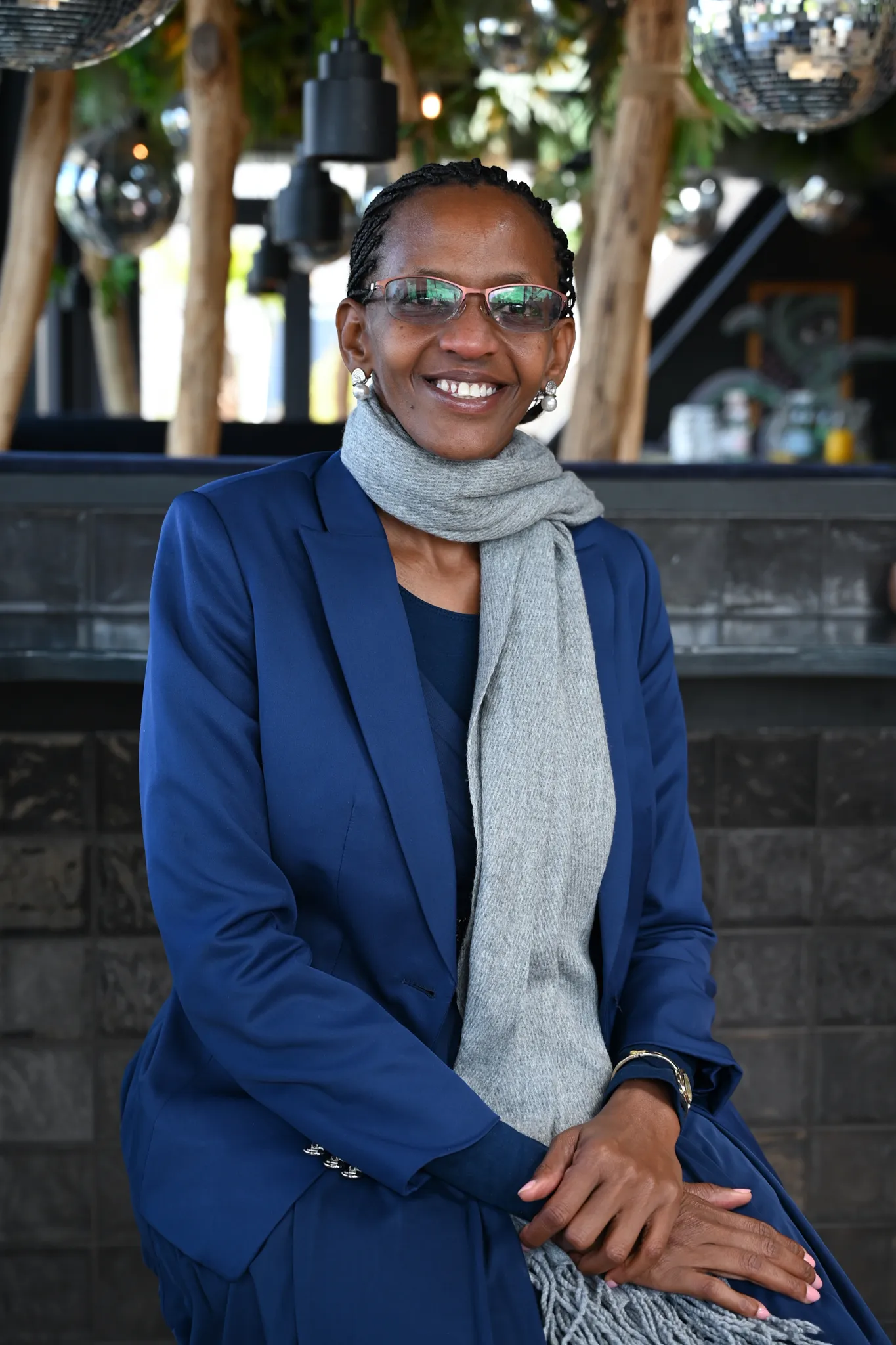
Caption
Caption
MHPSS specialist Dorothy Namara at the MHPSS Coordination and Interagency Support Training in The Hague.
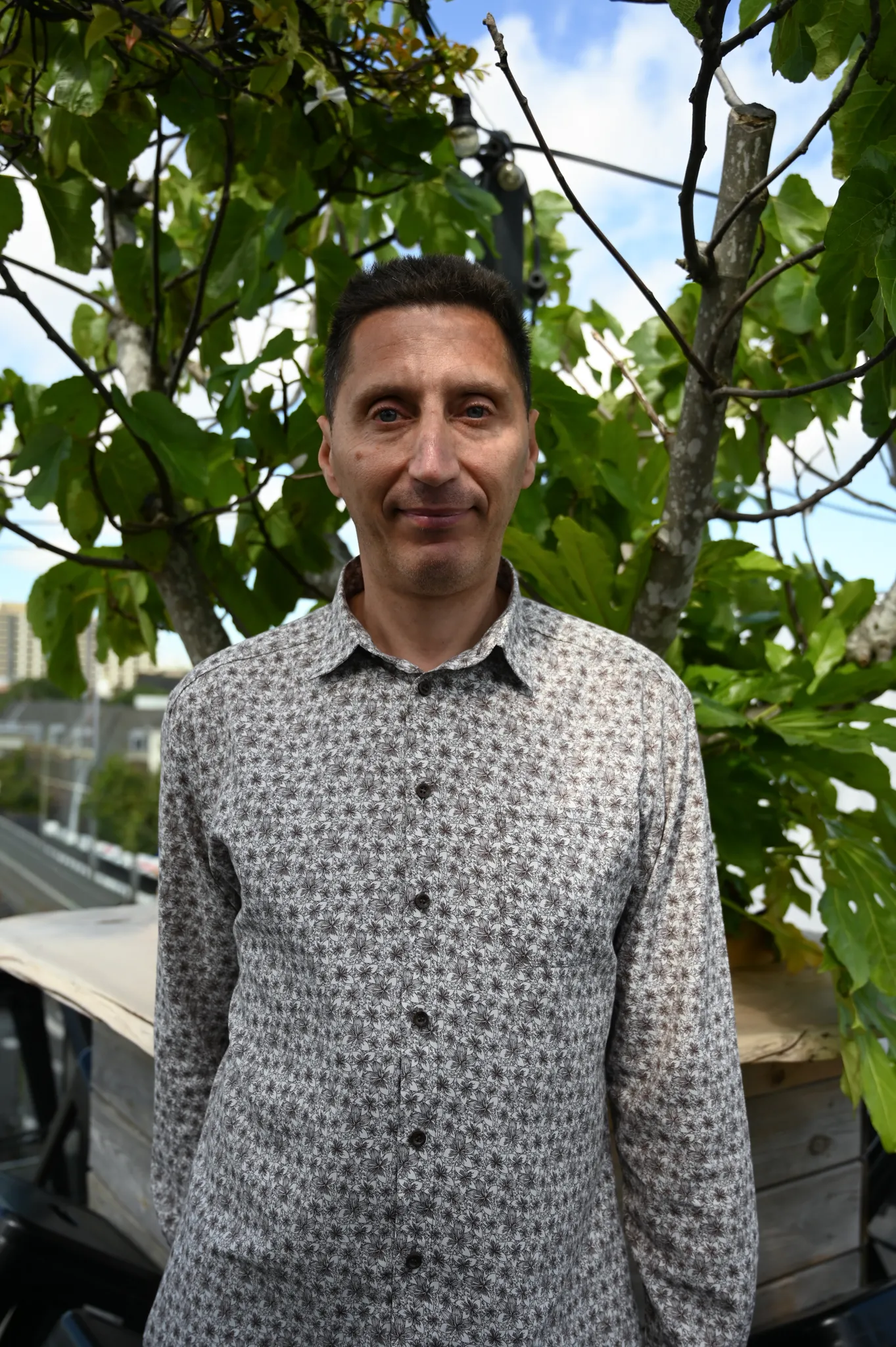
Caption
Caption
MHPSS specialist Viktor Vus at the MHPSS Coordination and Interagency Support Training in The Hague.
More information
See our webpage for more information on Mental Health and Psychosocial Support.
- Ministry of Foreign Affairs