Why mental health and psychosocial support matters in humanitarian crises
The content of this page has been checked on 7 September 2026
Mental health and psychosocial support (MHPSS) is a critical humanitarian enabler that ensures the success of broader crisis response goals, including health, education and livelihood support.
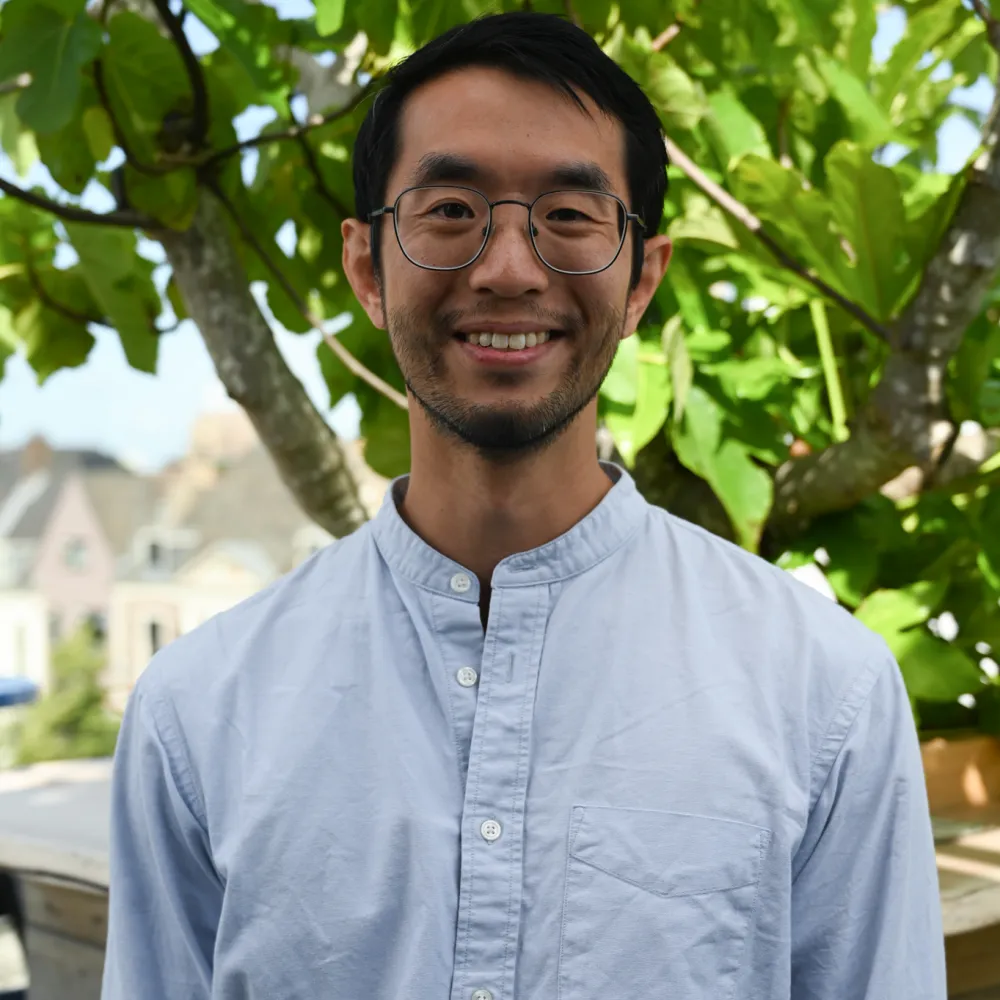
Joshua Lee is a specialist and the IFRC co-chair of the Inter-Agency Standing Committee (IASC) Reference Group on MHPSS. He says mental health is not a luxury or in competition with other forms of humanitarian aid, but an essential part of every humanitarian activity. If a survivor is struggling with mental health distress, they may not be able to fully benefit from the services that humanitarian activities provide.
The MHPSS Surge Mechanism
Joshua references research from the World Health Organization (WHO) showing that, on average, 1 in 5 people in emergencies will have experienced a mental health condition. And this figure does not include the much larger number of people who experience very painful levels of distress. To address these needs, RVO implements the MHPSS Surge Mechanism.
This programme maintains a roster of 795 experts from all over the world. When a crisis occurs, international organisations such as the WHO and UNICEF can request these specialists to fill gaps in coordination and technical support. The experts can be deployed within days to ensure that humanitarian aid is delivered effectively and in a human-centred manner.
As funding cuts are leading to what Joshua calls 'hyper-prioritisation', investments in MHPSS are needed more than ever. "We can help fewer people now than we know actually need help," says Joshua. Innovations such as financial tracking tools are being developed to identify the funding gaps precisely. Getting MHPSS right provides a high return on investment: For every dollar spent, the returns can be up to 4 times higher.
MHPSS in practice
User stories from the field show how, without proper MHPSS integration, crisis responses can become even more difficult. Dorothy Namara, a clinical psychologist from Uganda, recalls her experience during an Ebola outbreak in Uganda. "Our Ubuntu culture emphasises togetherness when someone is sick," she says, "but during the outbreak, people did not initially understand that this closeness helped spread the disease." MHPSS specialists can help communities find safe alternatives, such as mourning processes that respect traditions without spreading infections.
Dorothy also worked in Bidibidi refugee settlement in North-Western Uganda, where, alongside 3 social workers and a psychiatrist, she was responsible for supporting the MHPSS needs of about 2,000 new daily arrivals from South Sudan.
"Many new arrivals at that time, who came to the reception clinic for general medical treatment, presented with underlying psychological issues. Upon assessment, the doctors determined that the presenting physical complaints of the patients had a strong causative link to underlying psychological issues such as loss, grief and trauma that were faced during displacement and war. Our team made immediate referrals for psychological support. MHPSS services were part of outpatient services sharing the same space, making referrals easier and quicker," says Dorothy.
Because the team was small and overwhelmed, she experienced severe burnout. "I would replay the voices of the people I interviewed when I tried to sleep," she continues. Her experience shows that MHPSS is necessary for survivors and the staff who keep humanitarian projects running.
Caption
Caption
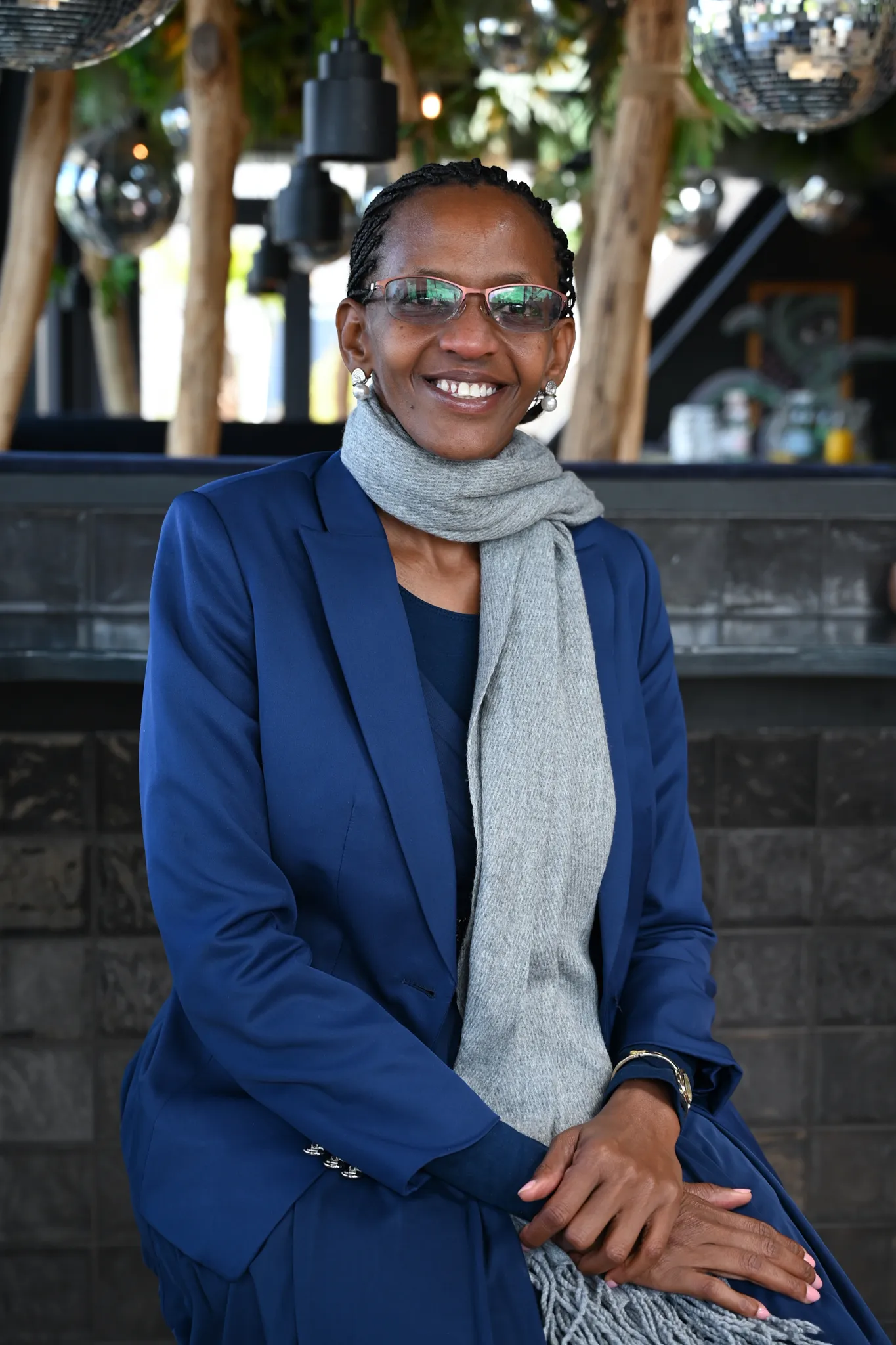
MHPSS specialist Dorothy Namara at the MHPSS Coordination and Interagency Support Training in The Hague.
Caption
Caption
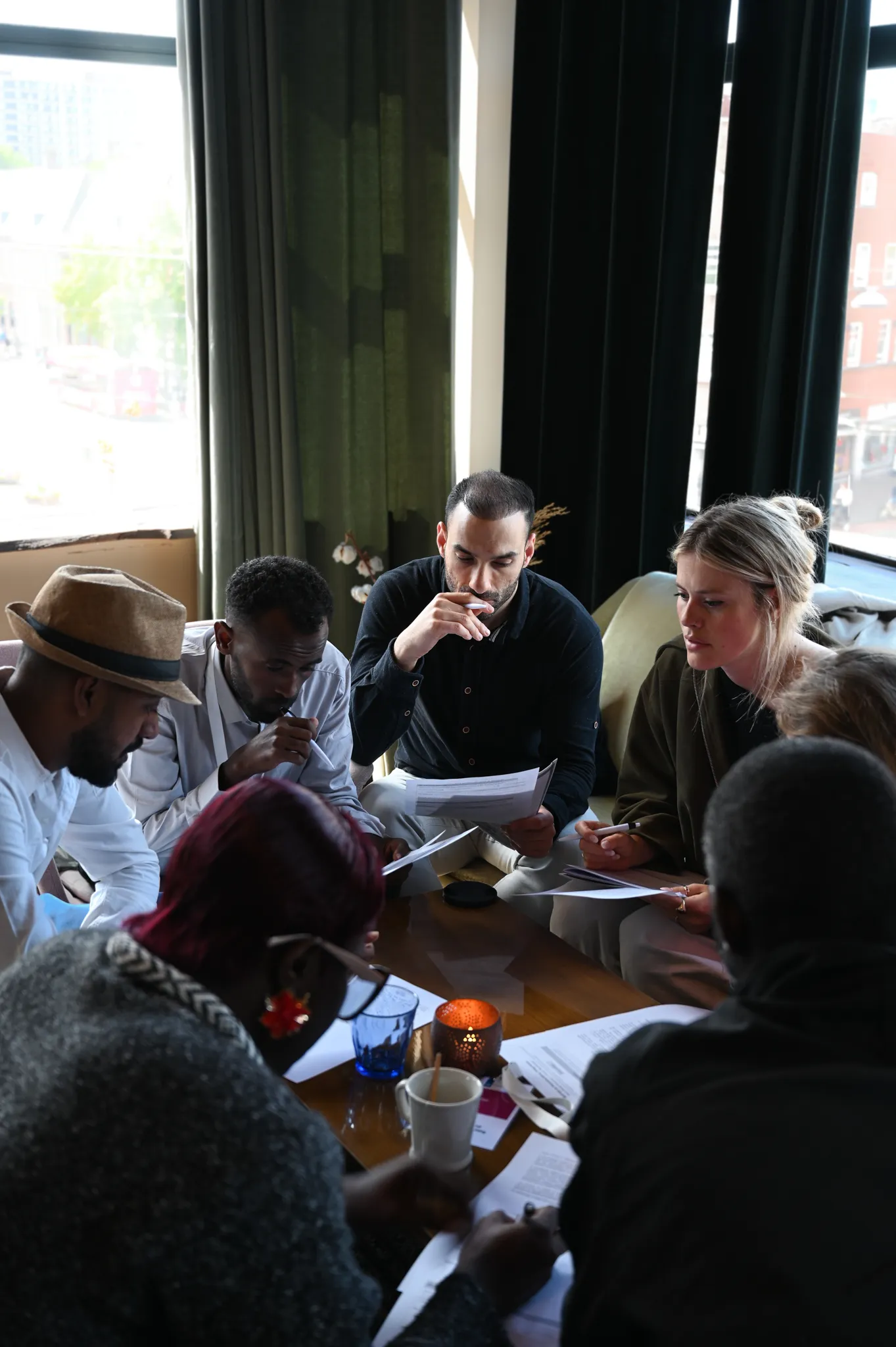
MHPSS specialists at a Coordination and Interagency Support Training in The Hague.
The power of effective coordination
Effective coordination can turn separate aid activities into a better functioning whole. By integrating support into national policies and community centres, MHPSS coordination can help ensure that the benefits of humanitarian aid last long after the initial crisis ends. To that end, the MHPSS Surge Mechanism has recently expanded its focus to MHPSS-related to peacebuilding activities.
The first peacebuilding expert was deployed to Ethiopia through the mechanism in early 2026 to help former soldiers transition back into their communities. By addressing issues such as social cohesion and substance use, MHPSS helps create the durable solutions a country needs to succeed after conflict. "Even with seemingly small investments in MHPSS, we can see a wider, longer-term impact on the communities we are deploying Surge experts to," says Joshua.
Keeping humanitarian workers safe
Yet, Joshua also cautions that humanitarian work cannot succeed if the people providing it are not safe. He makes a strong appeal to donors and governments to uphold international humanitarian law, at a time when he sees an unprecedented scale of violence against civilians and responders. "I cannot face my MHPSS colleagues in Gaza, Yemen, or South Sudan and say, 'We are doing our best' if I do not acknowledge the importance of keeping them safe," he says. "You cannot support mental health without also protecting people's safety."
More information
See our webpage for more information on Mental Health and Psychosocial Support.
- Ministry of Foreign Affairs