Doing business in Ukraine: 5 steps for a successful contribution
The content of this page has been checked on 28 August 2026
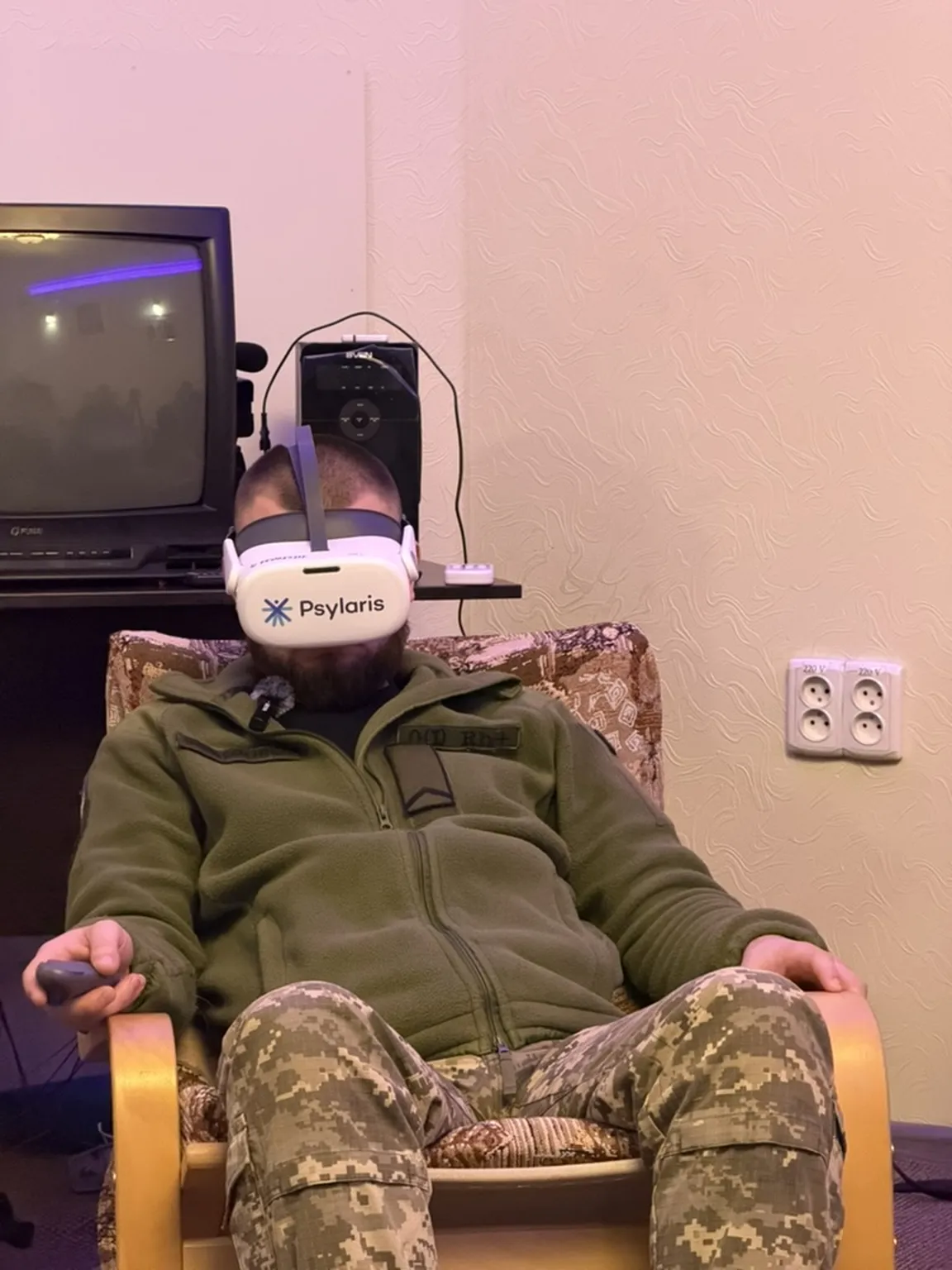
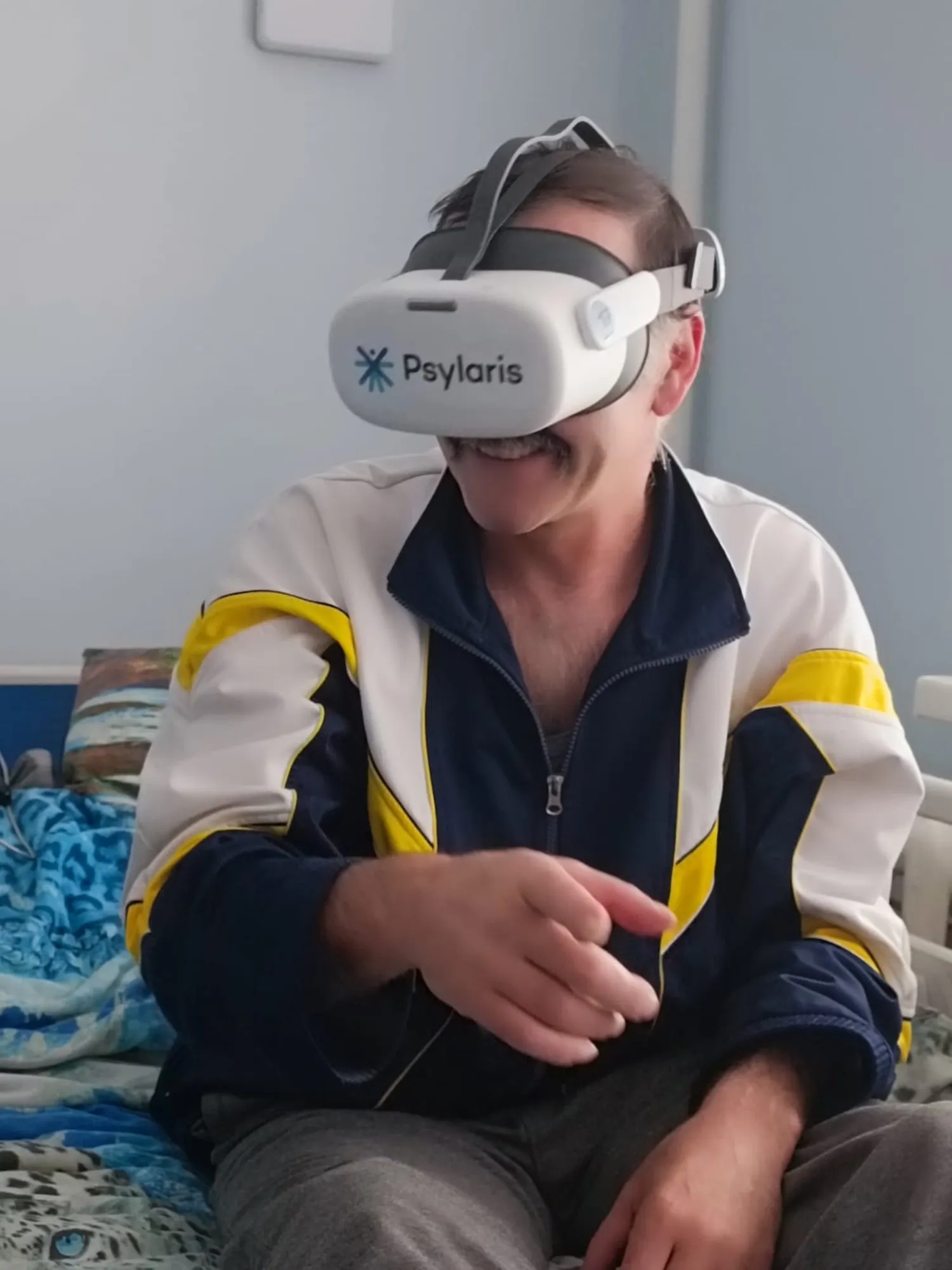
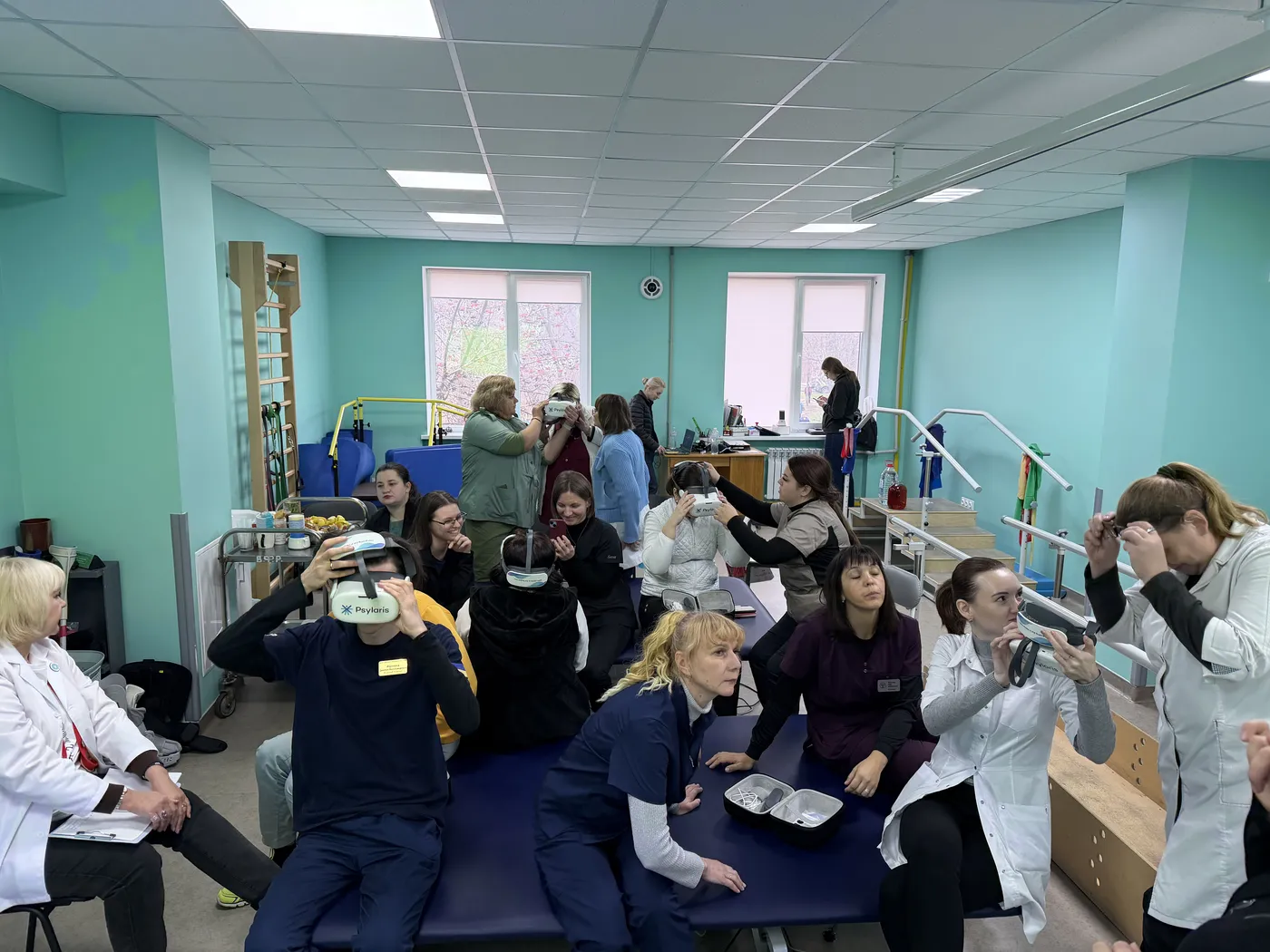
In Ukraine, therapists are overworked and scarce. Yet, traumatised civilians and military personnel need mental healthcare. The Dutch company Psylaris took action and scaled up its VR system for the Ukrainian market. With a subsidy from the Ukraine Partnership Facility (UPF), now 5 public, 1 private and 2 military hospitals in Ukraine offer EMDR therapy using VR headsets. This gives more people access to care and reduces the pressure on mental health services.
Kevin van Geest works for Psylaris and travels regularly to Ukraine. He shares his experiences with applying for subsidies and doing business in a war zone. He also advises on how to contribute to reconstruction.
Visit the Rebuild Congress
Psylaris's project included a visit to the Rebuild Congress in Poland. This event brings together governments, financial institutions and companies worldwide. Editions may focus on healthcare, construction and the energy sector. For Psylaris, it was the place to pitch their story and connect with local partners. With the bold idea, "Should we put a percentage of the weapons budget into mental health?" the project moved forward.
The congress helped Psylaris get started and progress quickly. Taking such a step means investing time and effort, such as finding interested, like-minded people. After that, set up a group that fits the plans, needs and situation.
Prepare your subsidy proposal
Writing a proposal that does justice to and fits the local situation can be challenging. Kevin found this more difficult than applying for a subsidy from the UPF programme. "The subsidy application went smoothly. The Netherlands Enterprise Agency was extremely helpful, as we could discuss ideas with their specialists. UPF has been a wonderful motivation for us to truly make a difference in a complex situation in a complex country."
He believes the value of the UPF subsidy is underestimated. "There are many small Dutch companies with good and impactful ideas for Ukraine, but there is hardly any money available within international financial institutions. For SMEs, it is very difficult to get subsidies through regular channels. With a good consortium, SMEs can also finance projects. It is an incredibly good way to start and take a step towards growth."
Find local partners
If you want to make a social and business impact, you need local partners. Their knowledge helps with market-specific knowledge, administration and safety. They know exactly what is happening, track missiles and drones, enable you to drive through checkpoints and show you the nearest bunkers during an air-raid alarm. In business terms, Psylaris's partners have direct contact with hospital healthcare providers. Most Ukrainians speak English at a reasonable level, but healthcare communication always requires interpreters.
Visit your project regularly
Kevin travels regularly to Ukraine and shares, "You can overcome language barriers with translation apps, but each situation is unique. If it is safe, visit local partners to understand their context. Online meetings with Ukrainian partners are often difficult due to frequent power cuts. As a result, they may sit in the dark and cold, struggling with an unstable internet connection. It feels unfair to be comfortable at your desk while partners face such hard conditions. You cannot build relationships from behind your desk in the Netherlands. Being there in person is greatly appreciated."
Have the courage to try something new
Psylaris noticed there is still a stigma around mental health in Ukraine. Patients are not used to talking about mental health. But the approach with the VR headset is slowly changing this. The VR headset attracts interest and allows patients to work on their mental health privately, without sharing details of their trauma with a healthcare provider.
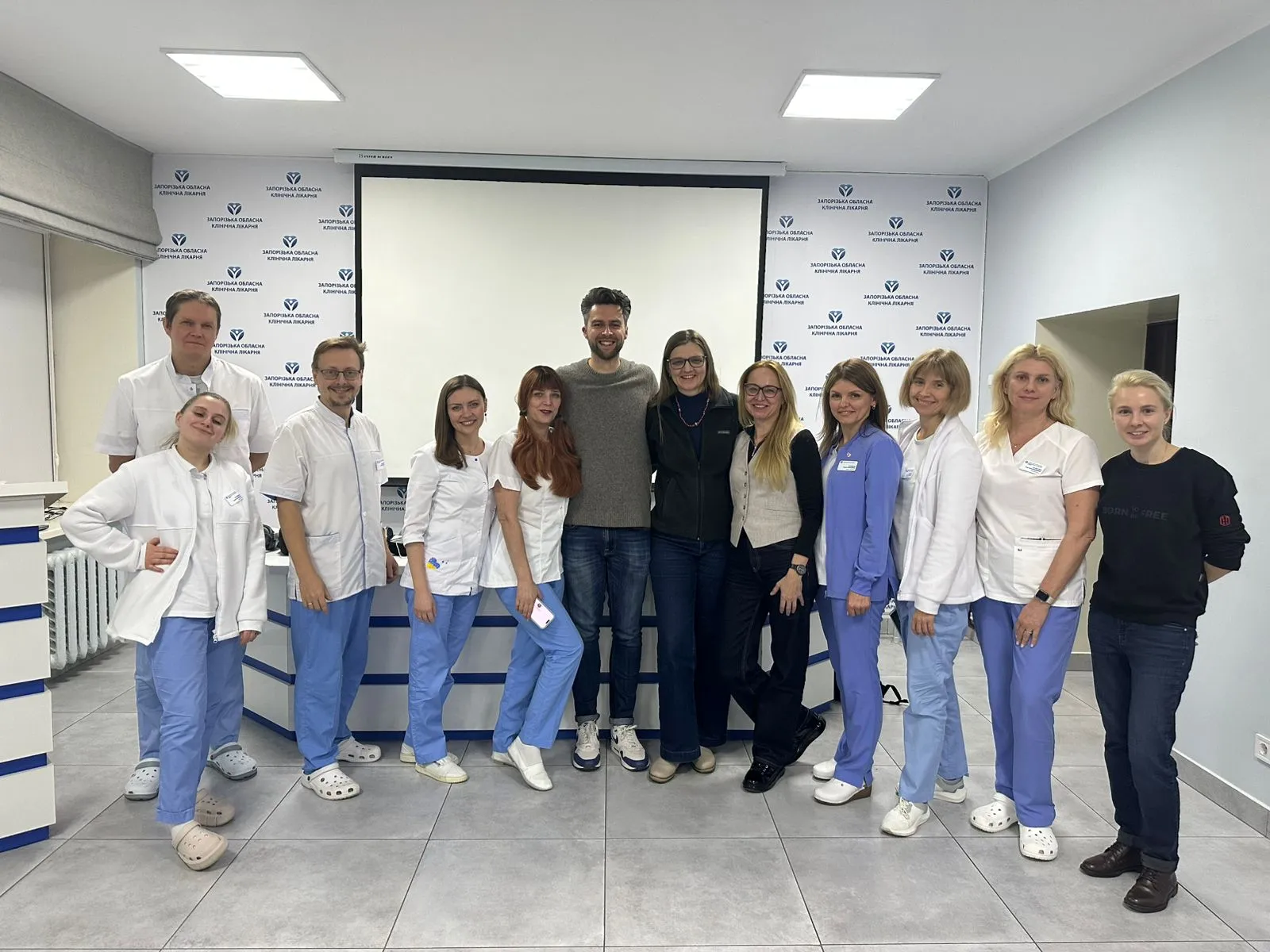
The company gets a lot of gratitude in return. Ukrainian healthcare providers are impressed that a Dutch company spends time and energy finding a solution for a problem far away. In a place where people are fleeing, there is much appreciation for the Netherlands' commitment to projects.
From urgent need to lasting change
A project is most likely to succeed when it addresses a country's urgent needs. When a project is unnecessary, has too little positive impact, or is simply 'nice to have,' it becomes wasteful. Recognising this, Kevin sees their project as a long-term solution rather than a one-off intervention. He explains, "We want to stay active even after the war, because the need for mental healthcare will continue. That is why we are in direct conversations with the Ukrainian ministries to expand our projects in the near future."
Rebuild Ukraine, 12–13 November 2026 in Warsaw
The Psylaris project began with a visit to the Rebuild Congress in Poland. This conference brings together international governments, financial institutions and businesses to discuss the reconstruction of Ukraine. The focus is on projects centred on infrastructure, industry, energy and housing.
For more information on the congress, see Rebuild Ukraine.
More information
UPF supports the reconstruction and sustainable economic development of Ukraine. We select projects that actively contribute to the reconstruction and recovery of its economy and society. On our webpage, Ukraine Partnership Facility, you will find more information about the subsidy programme.
Do you have questions about how you, as a business owner or representative, can contribute to the reconstruction efforts in Ukraine? Email your question to upf@rvo.nl.
- Ministry of Foreign Affairs