Better nutrition for farming families in India
The content of this page has been checked on 12 August 2026
Families in central India are improving their health by adding protein-rich soya to their daily meals. With Sustainable Development Goals Partnership (SDGP) funding, farmers are using local crops to fight malnutrition and earn a better living.
A source of food, but not for people
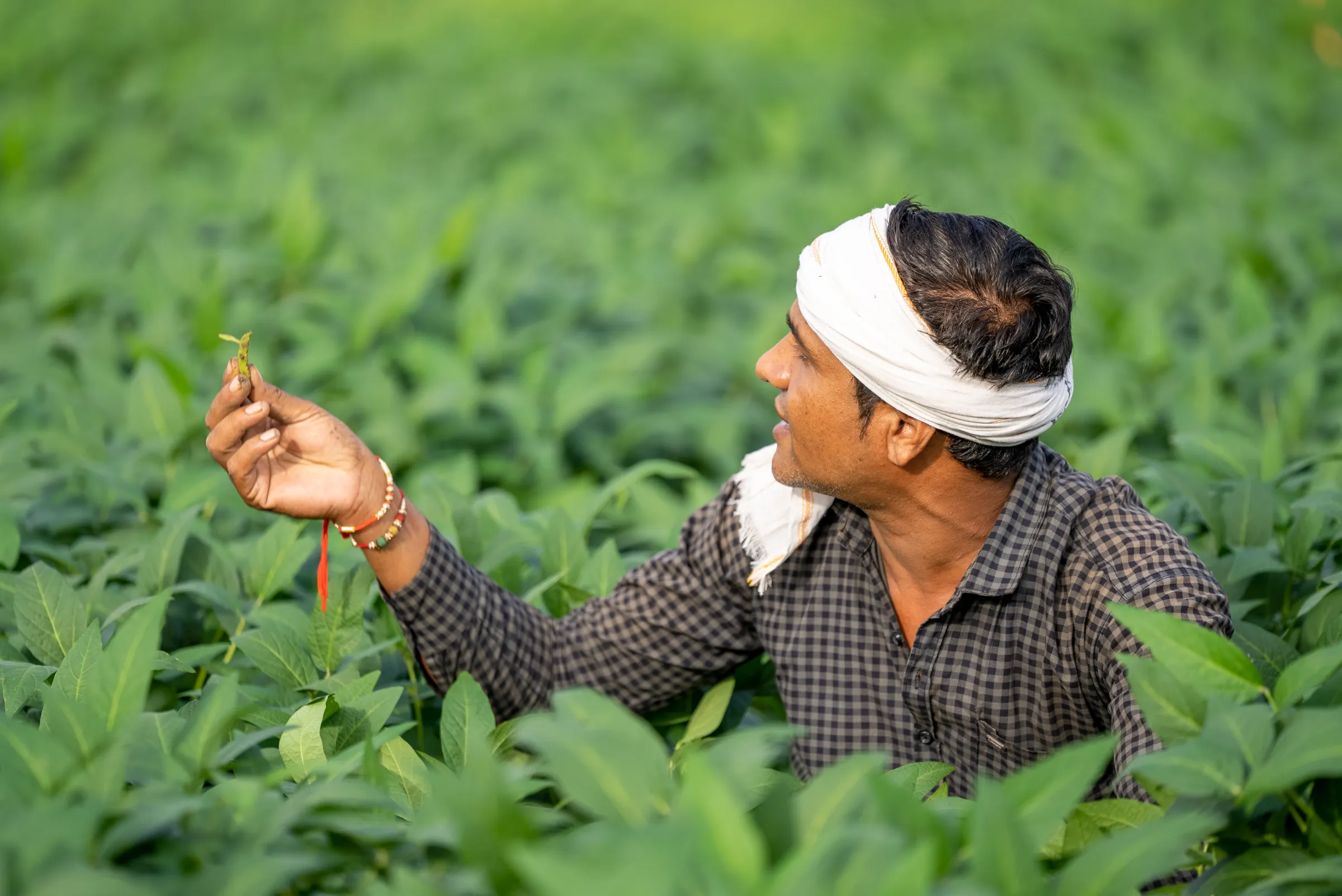
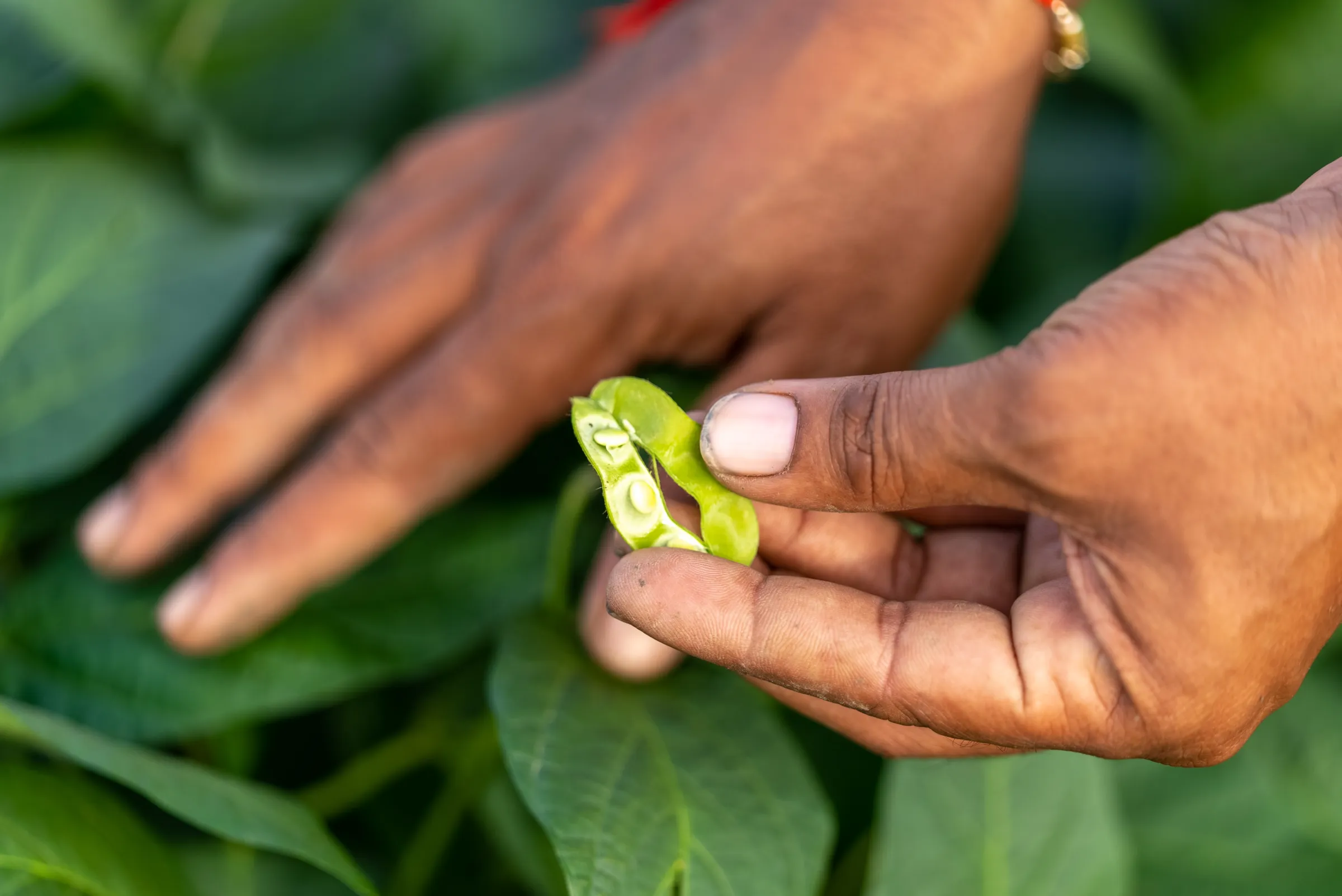
The state of Madhya Pradesh produces more than half of India's soya beans, but it also has high rates of malnutrition. For generations, farmers grew soya beans to sell as animal feed and did not eat the beans themselves.
For religious reasons, many people in the state follow a vegetarian diet. Because of soya's meat-like texture, many families believed it was not suitable to eat. Others thought soya beans were difficult to digest or did not know how to prepare them. For these reasons, farmers grew soya beans for sale but did not include them in their own diets.
The Good Farming, Good Food project
To address these challenges, the Good Farming, Good Food project received a €1,900,000 subsidy from the Netherlands Enterprise Agency (RVO). The project started in 2019 in the districts of Agar, Ujjain, Bhopal, Dewas and Sehore. In these areas, many people were malnourished.
The project supported 50,000 farm families with 4 main types of improvements:
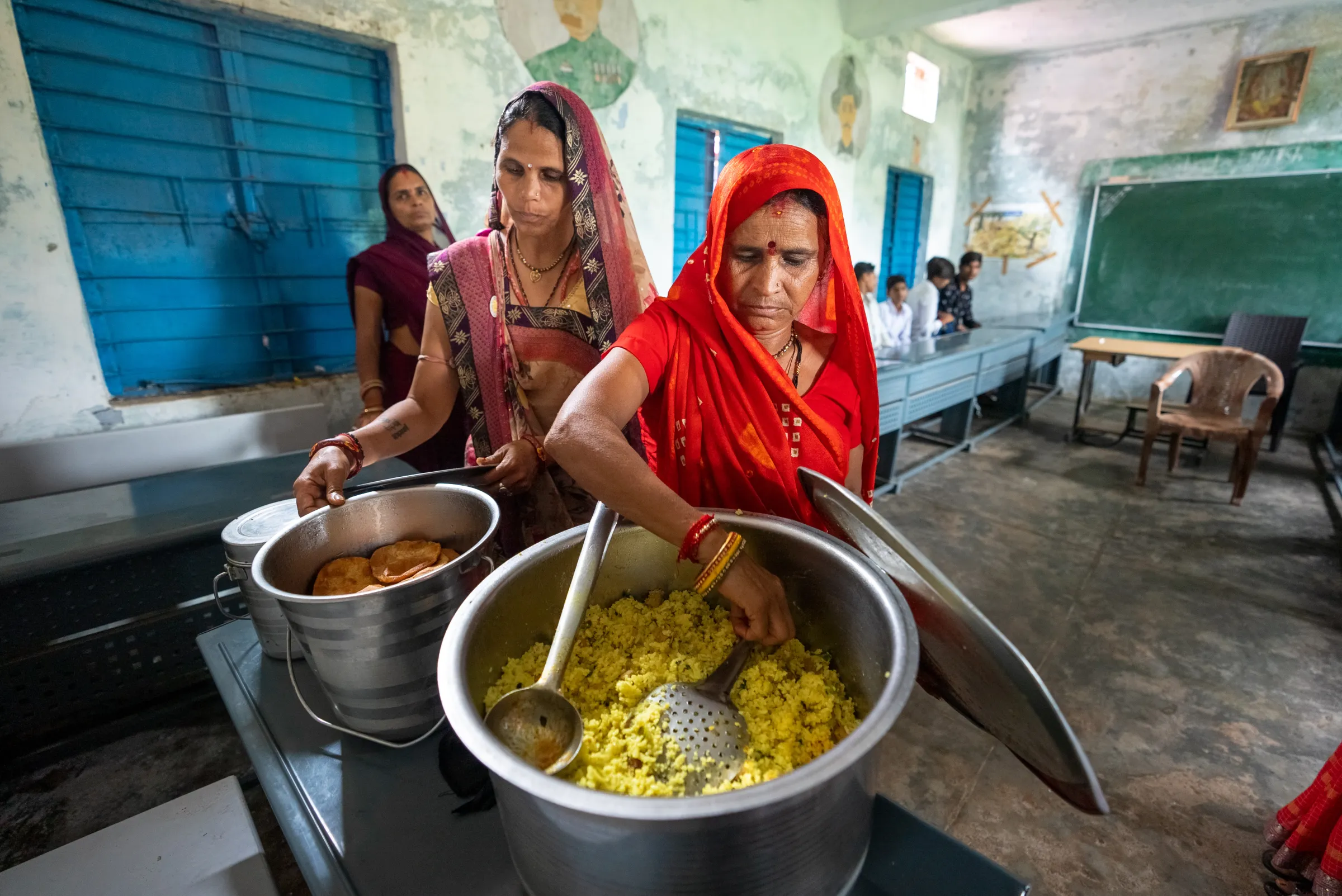
- Nutrition awareness. At community meetings, rural households learnt about the health benefits of soya beans and vegetables.
- Technical training. Partners showed farmers how to prepare soya safely, such as by mixing soybean flour with wheat flour at a 9:1 ratio.
- Organic farming. Farmers learnt how to reduce chemical use by making their own natural fertilisers like vermicompost, a 'worm manure' rich in nutrients.
- Market access. The project organised farmers into companies to sell high-quality crops for better prices.
A group of organisations ran the project, including Stichting Solidaridad Nederland, East West Seeds India, Vippy Industries Ltd, the M.P. Rural Livelihood Mission and Samarth Kisan.
Better health and shared decisions
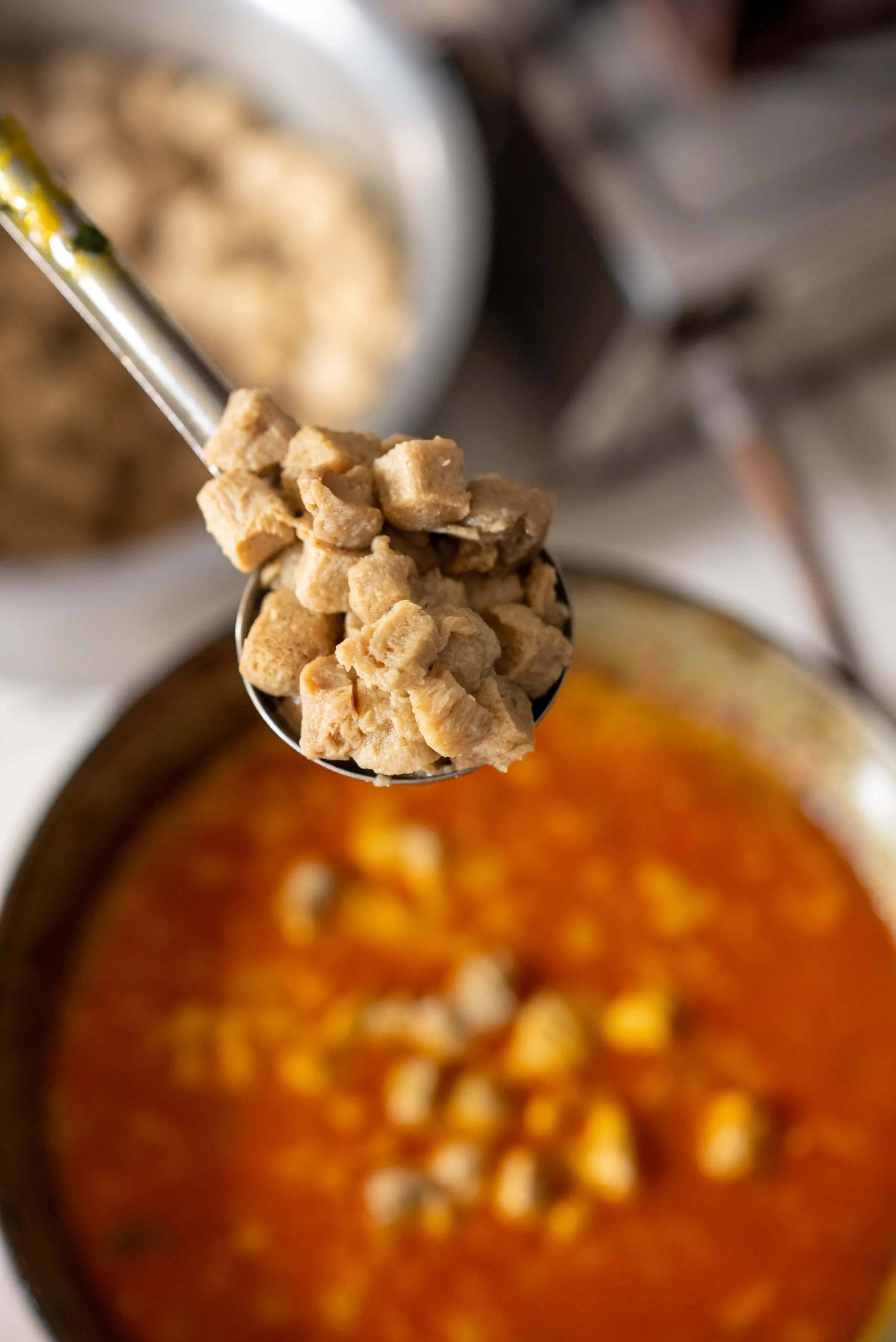
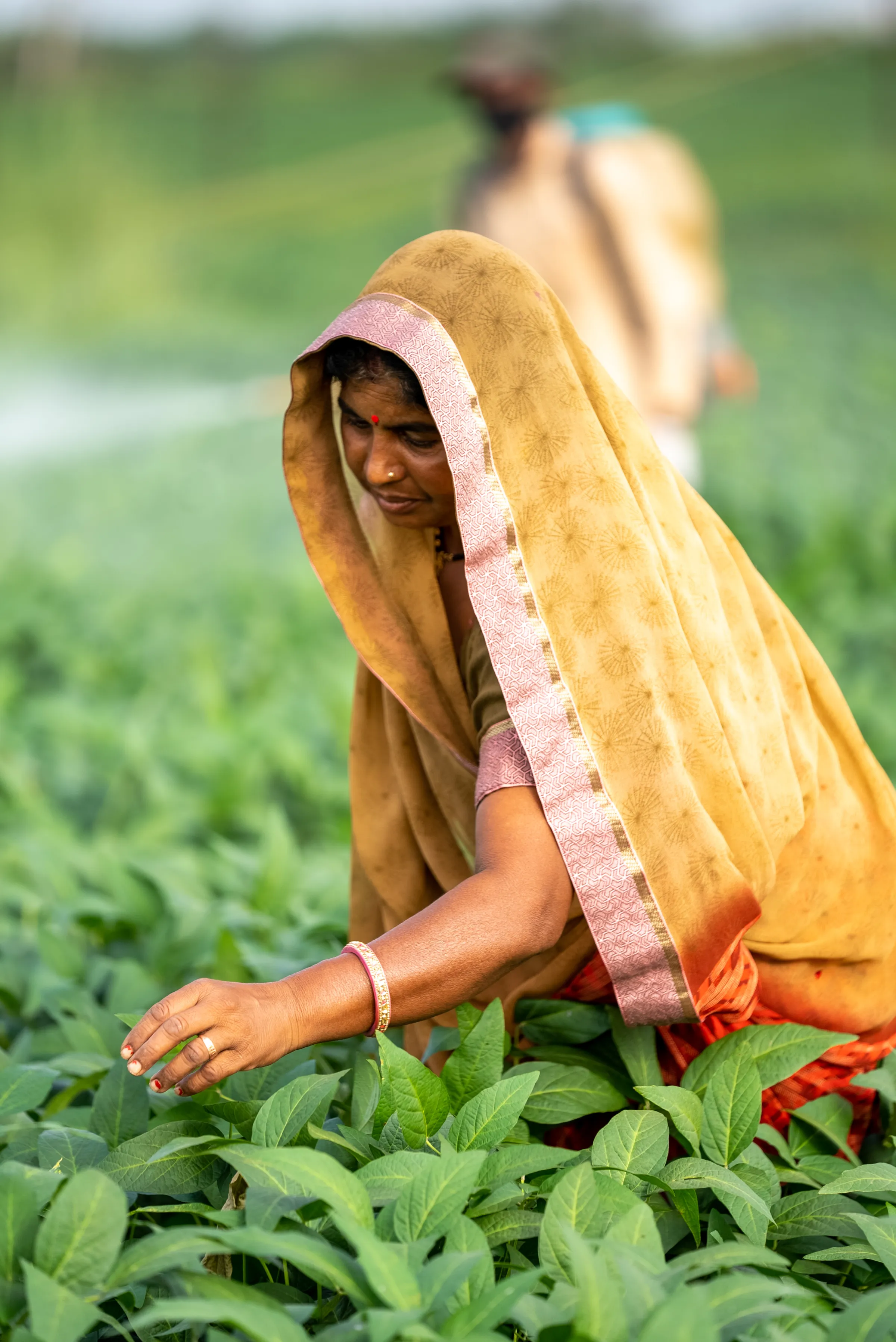
The new habits led to changes for farming families. Jyoti Jatav, a farmer from Bhopal, had grown soybeans for 30 years but never ate them. She says, "Earlier, we felt tired very easily. After eating soya beans regularly, our energy improved. My knee pain also reduced". In Sehore, Rajesh Bamaniya also saw a change in her children's health. She says, "Our children are falling sick less often. Earlier, they would get infections whenever the weather changed".
The project also helped women take a larger role in household choices. Women do more than 70% of the farm work in India, but they often have less decision-making power. By helping women start kitchen gardens and take part in nutrition meetings, the project improved their roles within the family. Suresh Motwani, a manager at Solidaridad, says, "By involving women in nutrition decisions, we improved diets and their roles in the household."
The project saw many successes, but it had to overcome some strongly held beliefs. Nidhi Karoliya, a nutrition expert, explained that the team aimed to change behaviours rather than only giving out extra food. The results showed that teaching people to use what they already grow can build a base for a healthier family.
About SDGP
The Sustainable Development Goals Partnership (SDGP) was a programme of the Netherlands Ministry of Foreign Affairs and the Netherlands Enterprise Agency (RVO). It helped groups of businesses and organisations find new ways to produce food and run businesses sustainably.
Read other inspiring stories about SDGP on our webpage Cultivating partnerships, harvesting results: SDGP in practice.
- Ministry of Foreign Affairs