Kenya's low-carbon coffee revolution
The content of this page has been checked on 10 August 2026
Small-scale farmers often grow only one crop and use many artificial fertilisers and chemicals that can harm the soil. In Kenya's coffee highlands, farmers are changing to a new approach.
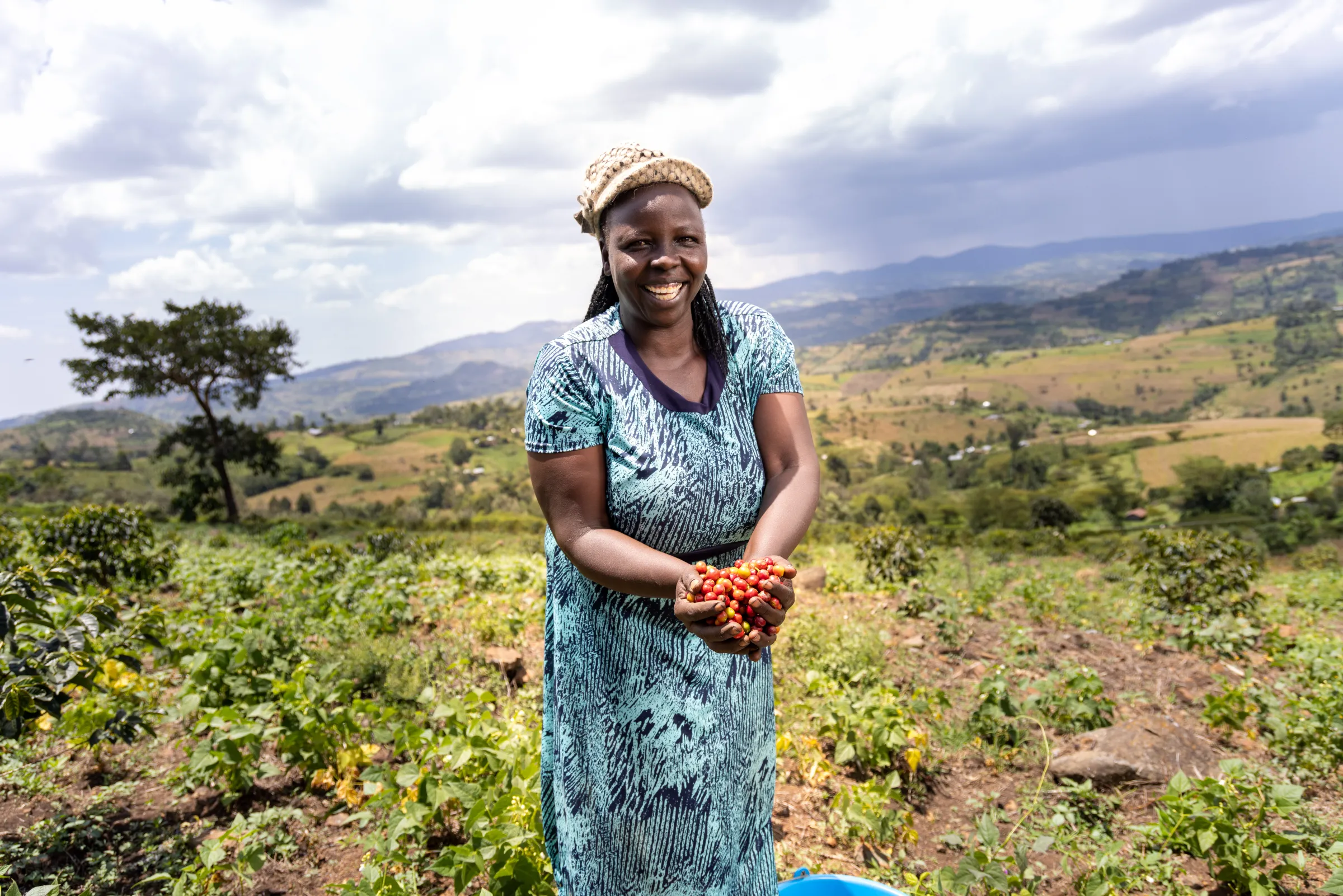
The situation in Kericho County
In Kericho County, a project funded by the Sustainable Development Goals Partnership (SDGP) helped coffee farmers adopt natural methods that are better for the planet. When the project started in 2019 with 8,000 farmers in 7 cooperatives, many farmers were worried. They thought that stopping the use of chemicals would mean smaller harvests.
Henry BK Sang, an advisor at the foundation Agriterra Kenya, helped farmers learn these new methods. Henry recalled, "Initially, we faced a lot of resistance because it was new. It was only after the early adopters saw results that others began to join." Henry also said that changing to organic coffee is about more than using new tools. It needs a big change in how people think. To succeed, farmers must feel confident and use their local knowledge.
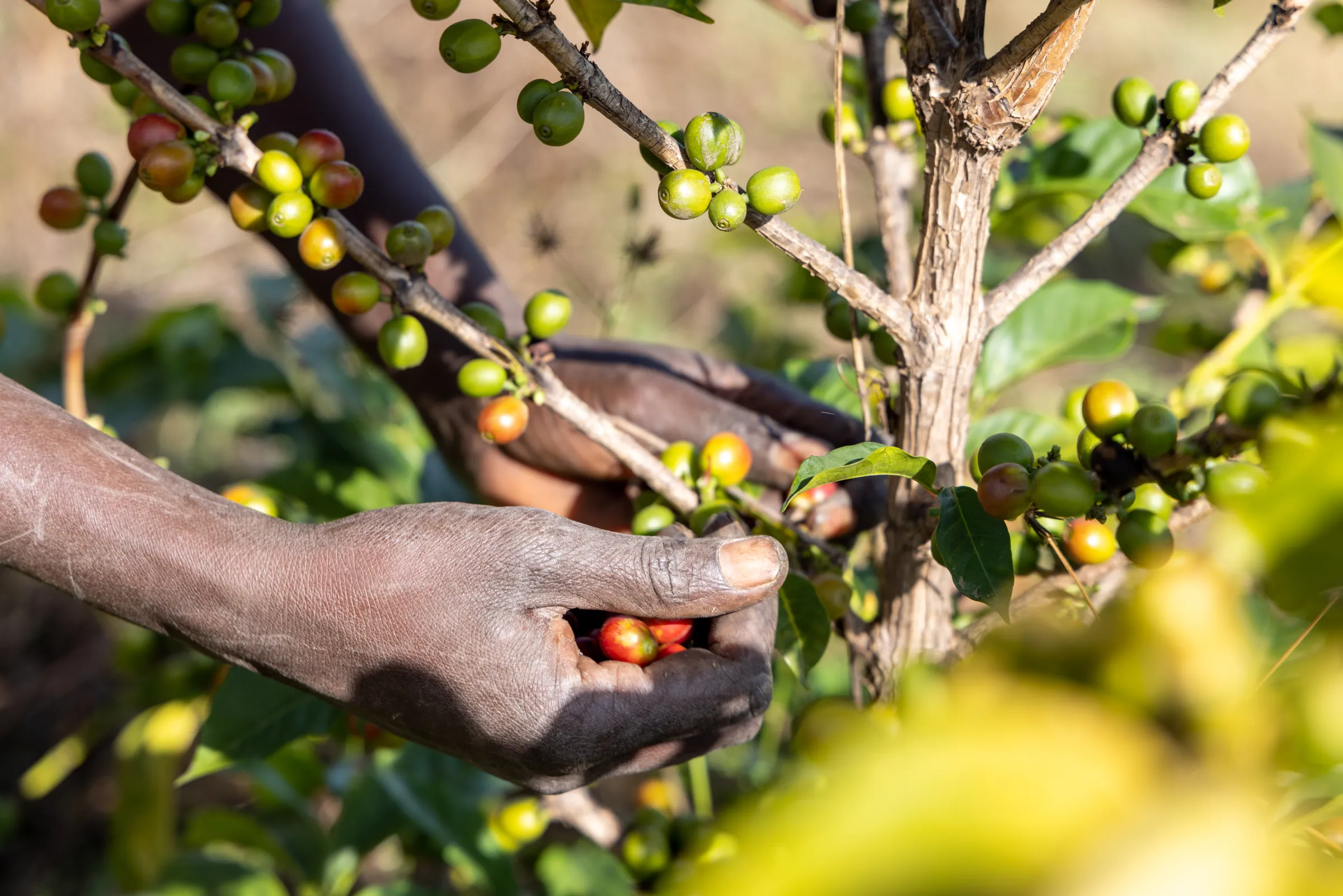
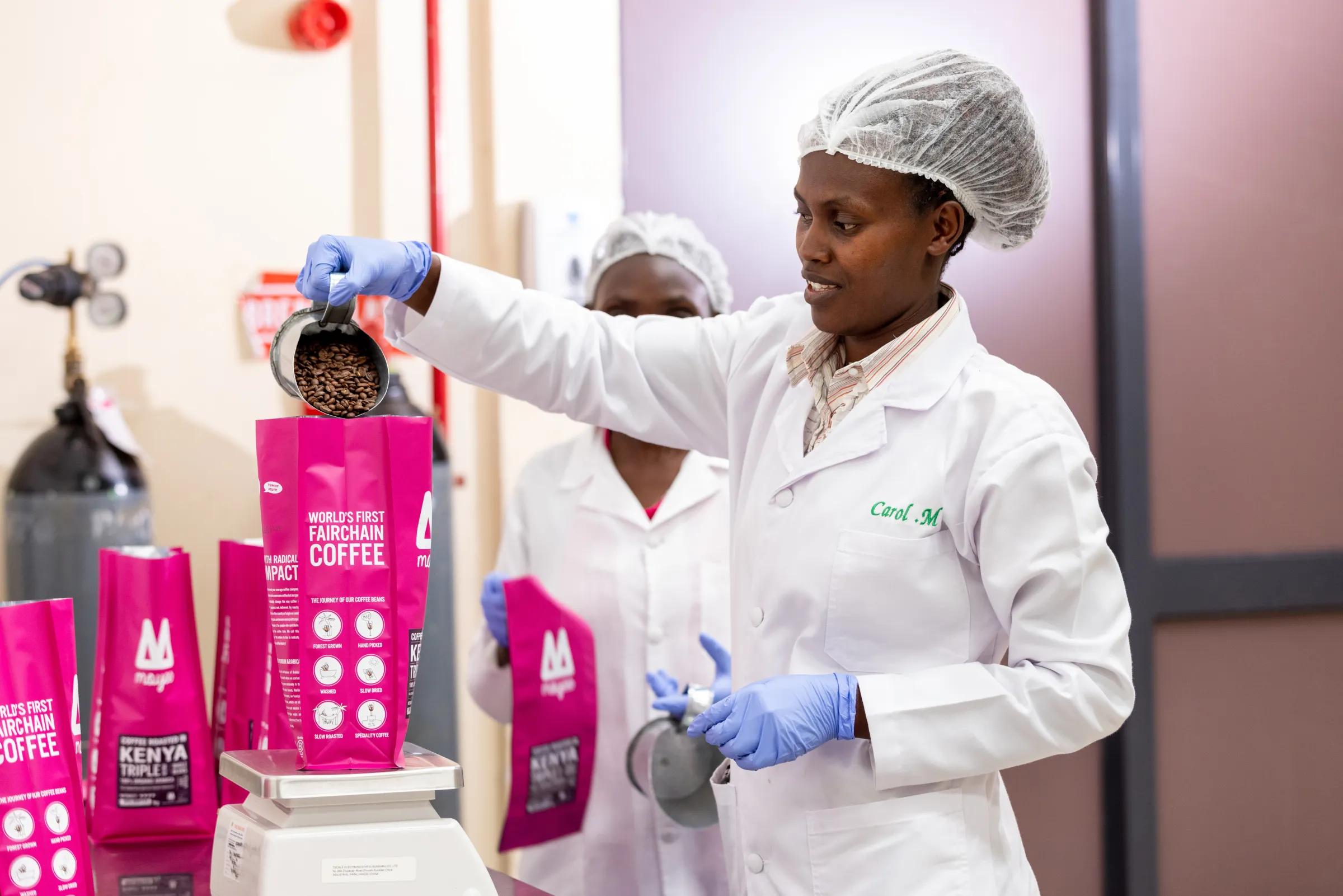
The low-carbon coffee project
The 'Developing a low-carbon coffee value chain in Kenya' project received a €790,210 subsidy through SDGP.
A group of organisations carried out the project, including Stichting Agriterra, Moyee Nederland B.V., Stichting FairChain and the Kenya Agricultural & Livestock Research Organisation (KALRO). At first, the Kipkelion District Cooperative Union participated in the project, but 7 cooperatives in Kimologit, Torochmwai, Chepnorio, Kabngetuny, Tuiyabei and Koilsir later replaced it.
The project helped farmers move away from farming only one crop and gave them other forms of support. There are 4 parts to the project:
- Natural fertilisers. The project builds places to turn waste into cheap, natural fertilisers, compost and pesticides.
- Model farms. These farms show how to use natural farming methods.
- Digital tracking. A digital system records every sale and verifies that the coffee is grown naturally.
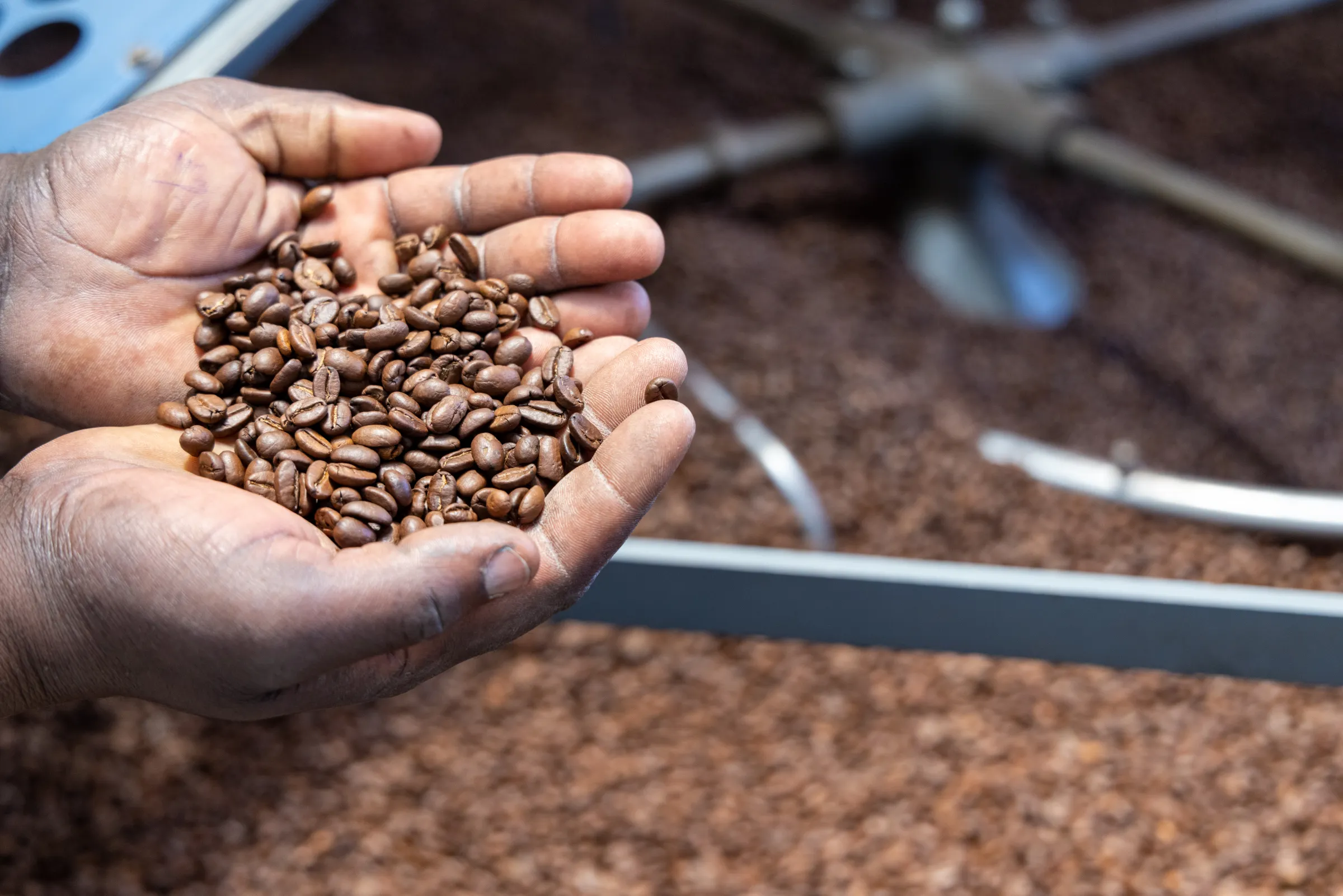
- Local roasting. A factory in Nairobi roasts the coffee. This creates local jobs and adds more value to the coffee in Kenya.
The project also improved how cooperatives are run and made sure women and young people take part in all the work.
Good results for farmers
The project ran from July 2020 until November 2025. By helping cooperatives make their own natural fertilisers, the project has created new ways for farmers to earn money. This has also created jobs for women and young people. Farmers earn more money because organic specialty coffee sells for higher prices. Harvests have also grown. One cooperative increased its coffee cherry harvest from 176,000 to 800,000 kilogrammes in just 1 year.
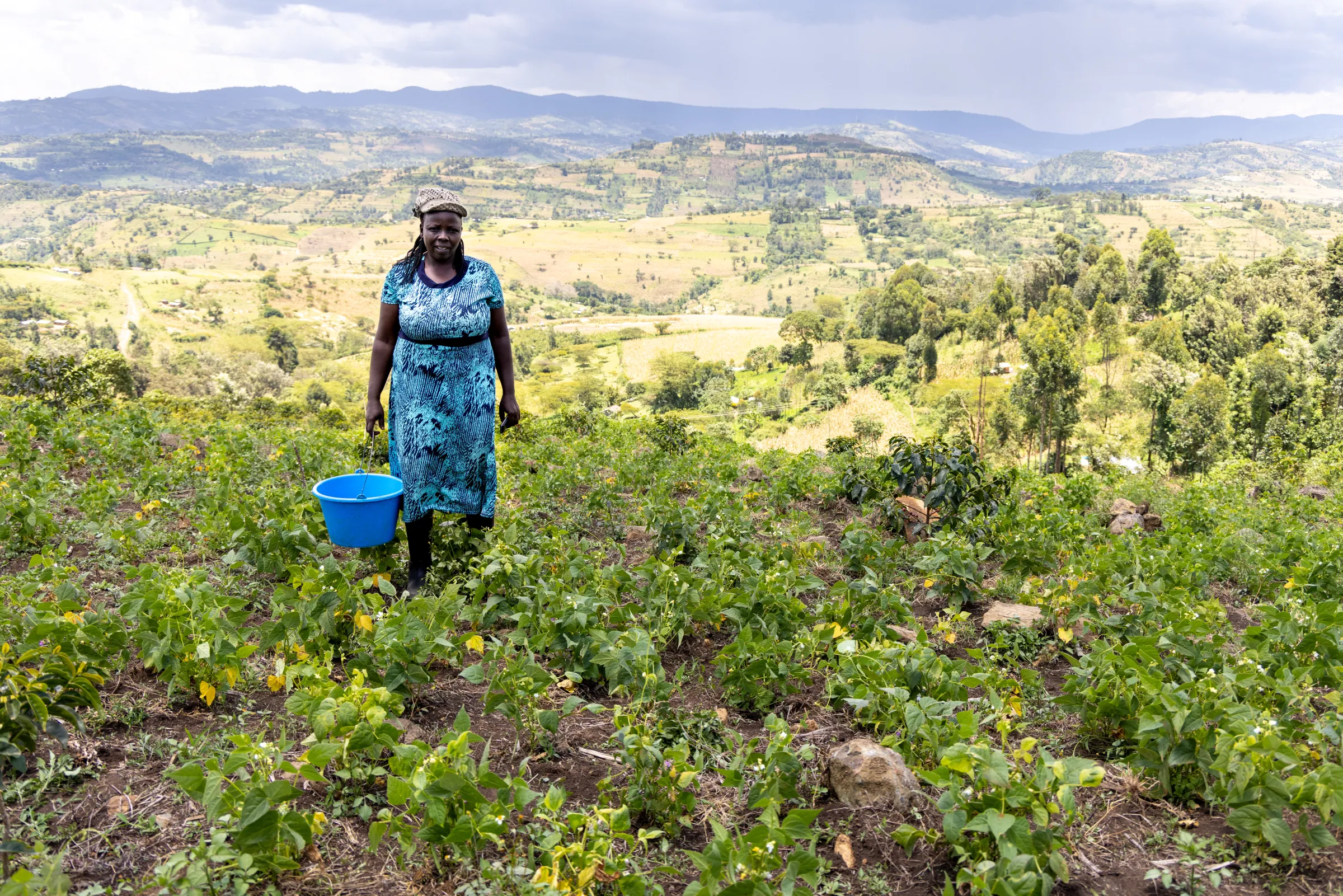
Henry sees even greater potential. Research shows that each coffee bush could produce up to 20 kilogrammes if managed optimally. Model farms have already reached 8 kilogrammes per tree. Farmers are also growing vegetables and raising chickens using these natural methods. This means they have food and income throughout the year. Henry believes that Kericho can become a famous place for high-quality, sustainable coffee.
About SDGP
The Sustainable Development Goals Partnership (SDGP) was a programme of the Netherlands Ministry of Foreign Affairs and the Netherlands Enterprise Agency (RVO). It helped groups of businesses and organisations find new ways to produce food and run businesses sustainably.
Read other inspiring stories about SDGP on our webpage Cultivating partnerships, harvesting results: SDGP in practice.
- Ministry of Foreign Affairs