Growing a global food brand in Tanzania
The content of this page has been checked on 13 August 2026
Hadija Jabiri changed the way people in Tanzania saw farming by building an international food brand worth millions of dollars from a very small start. Her company, GBRI Business Solutions, led the EATFRESH project to connect local farmers with markets worldwide.
No longer a last resort
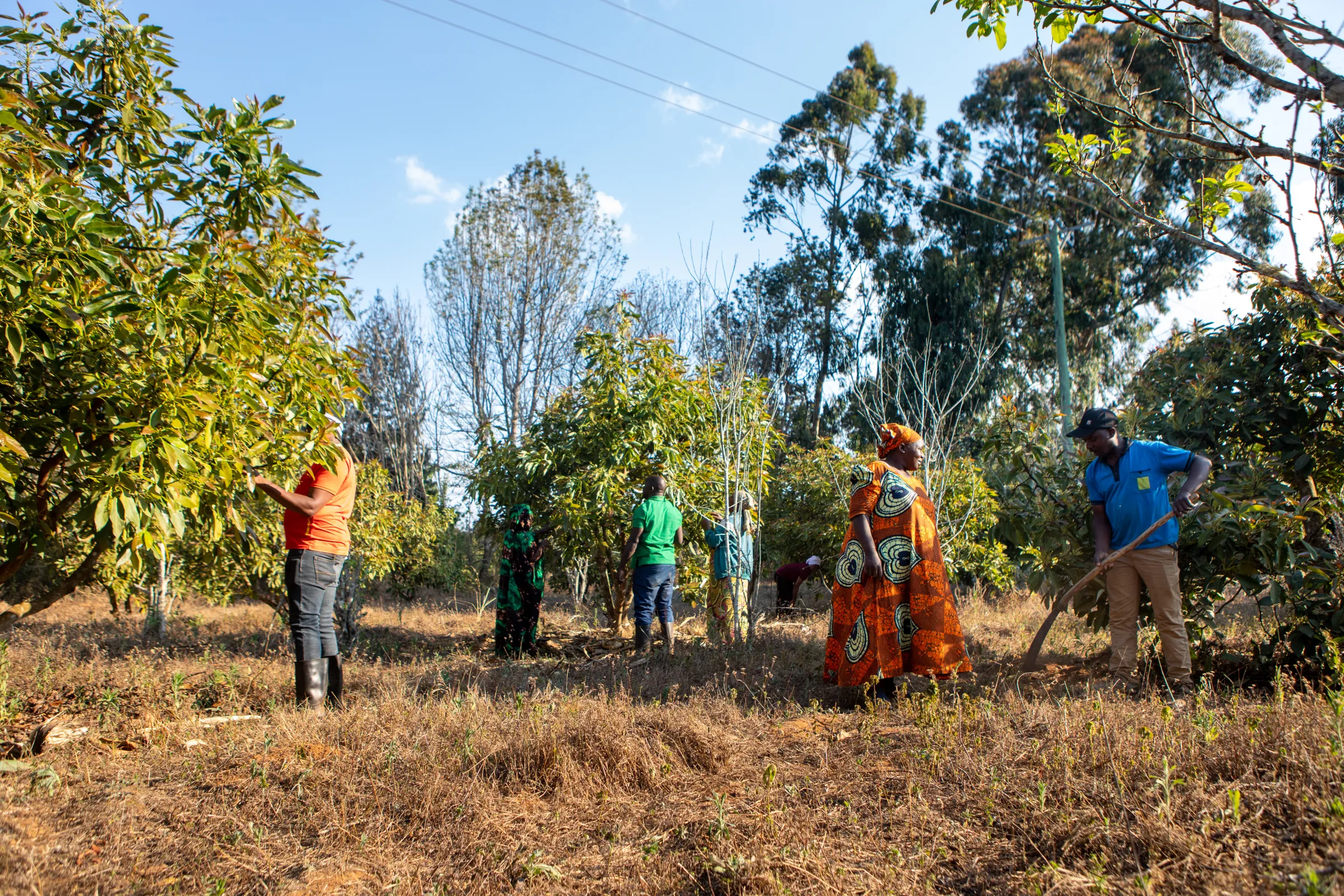
For a long time, many people in Africa saw farming as a last resort. It was often linked to low incomes rather than opportunity. Many parents wanted their children to find office jobs to avoid this lifestyle. Hadija Jabiri grew up with this same conviction and trained as an accountant instead. However, she always had a business mindset.
After she tried several businesses that did not work, she turned to agriculture. Hadija moved to Iringa because the land was fertile and the climate was good. She saw that organic vegetables like French beans and snow peas grew well there and global demand for these crops was high. In 2015, she began farming with less than $100. It was difficult at first. Banks did not give her loans as they thought farming was too risky. Also, Hadija had no valuables to offer as collateral for a loan.
The EATFRESH project
Hadija did not give up and continued to look for funding until she joined the Sustainable Development Goals Partnership (SDGP). This programme is an initiative of the Netherlands Ministry of Foreign Affairs and the Netherlands Enterprise Agency (RVO). The EATFRESH project received a €1,326,850 subsidy. Along with GBRI, a group of organisations ran the project, including Stichting Agriterra, TechForce Projects B.V., Guavay Company Limited and the National Economic Empowerment Council.
The project helped farmers move from local trade to international business, giving support in 4 main areas:
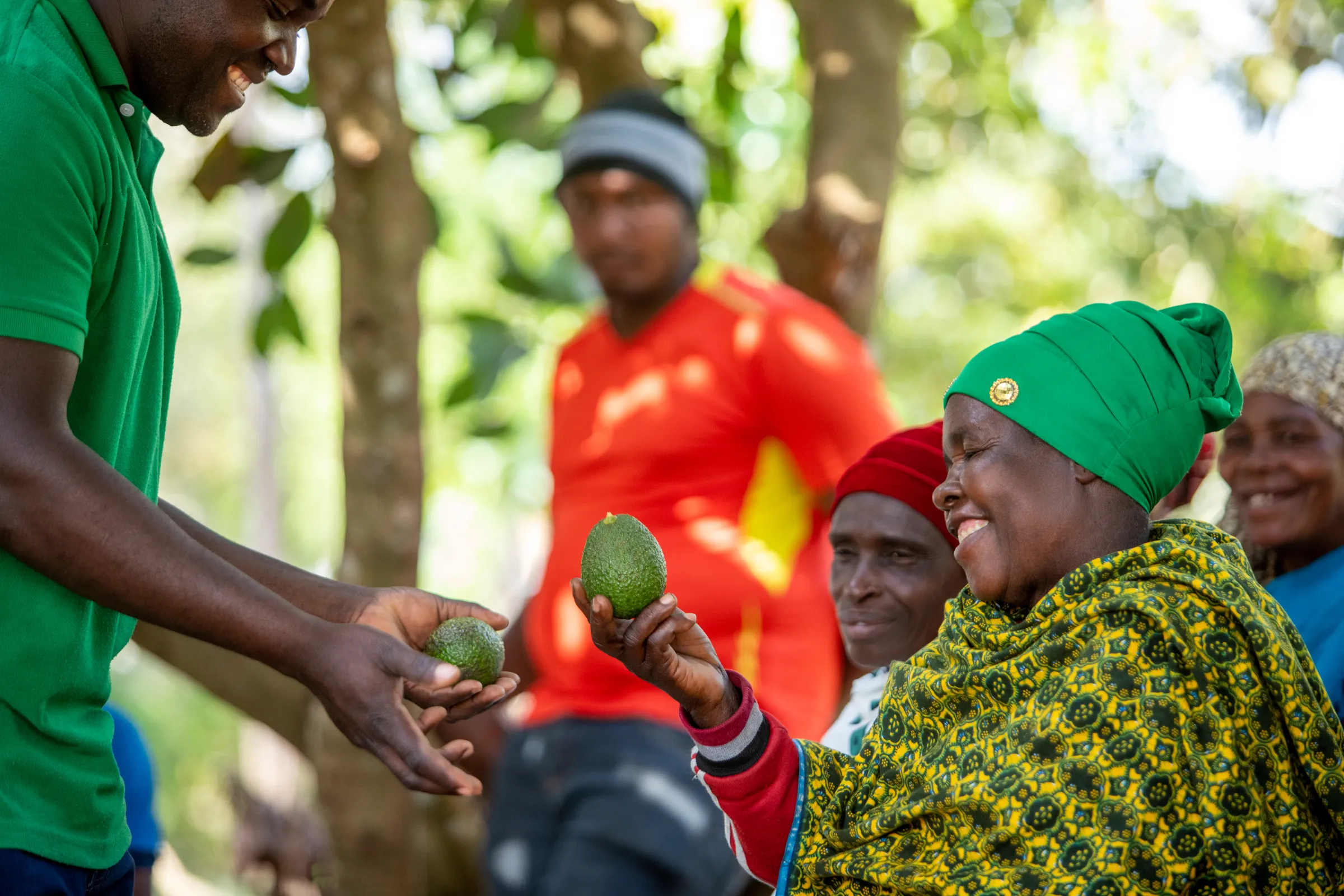
- Technical skills. The project trained small-scale farmers on how to grow high-quality organic crops and use modern farming methods.
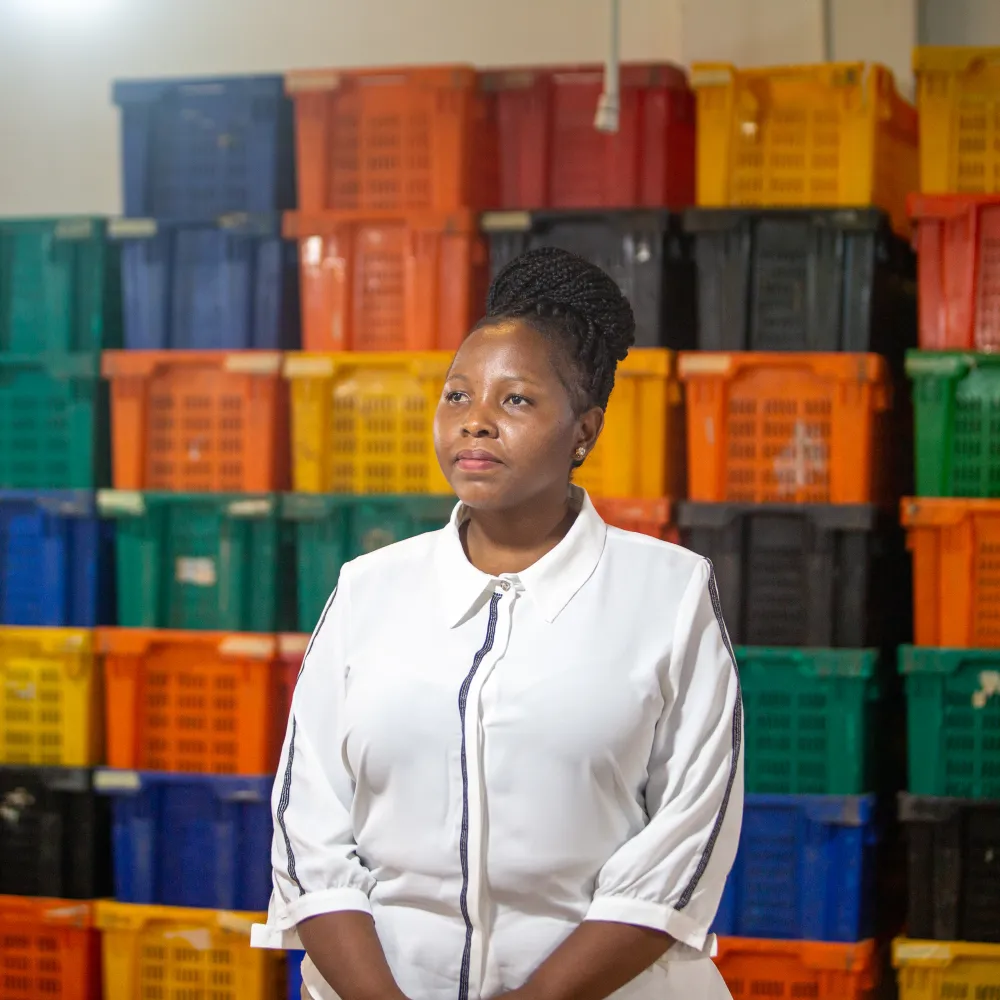
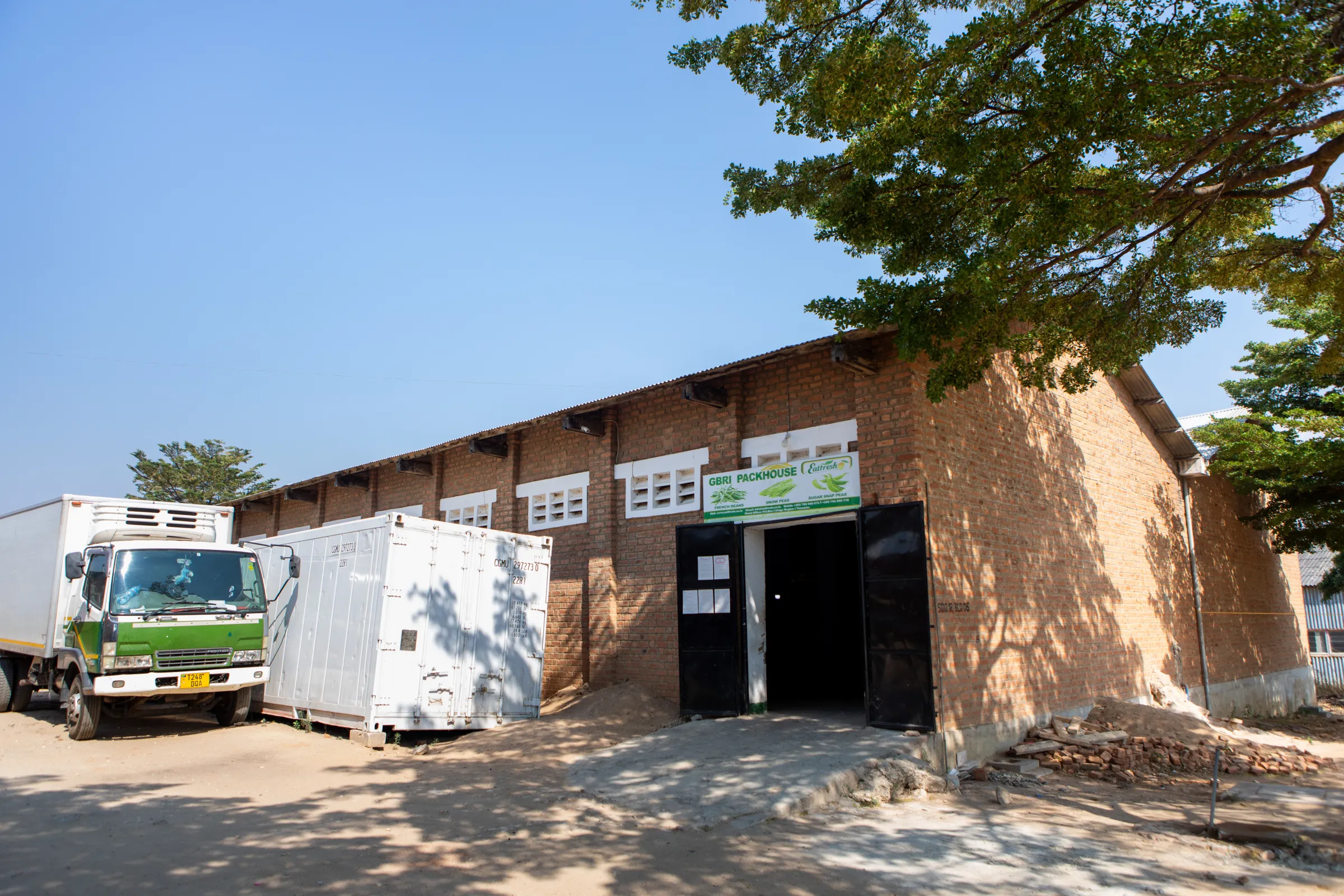
- Better buildings and equipment. The business built a 1,100-square-metre facility. It also bought cold rooms and refrigerated trucks to store produce safely.
- Value addition. The project provided practical training and added more value to the products before the company sold them to customers.
- Market access. The project connected farmers to international markets and made EATFRESH a global food brand.
Good results for the community.
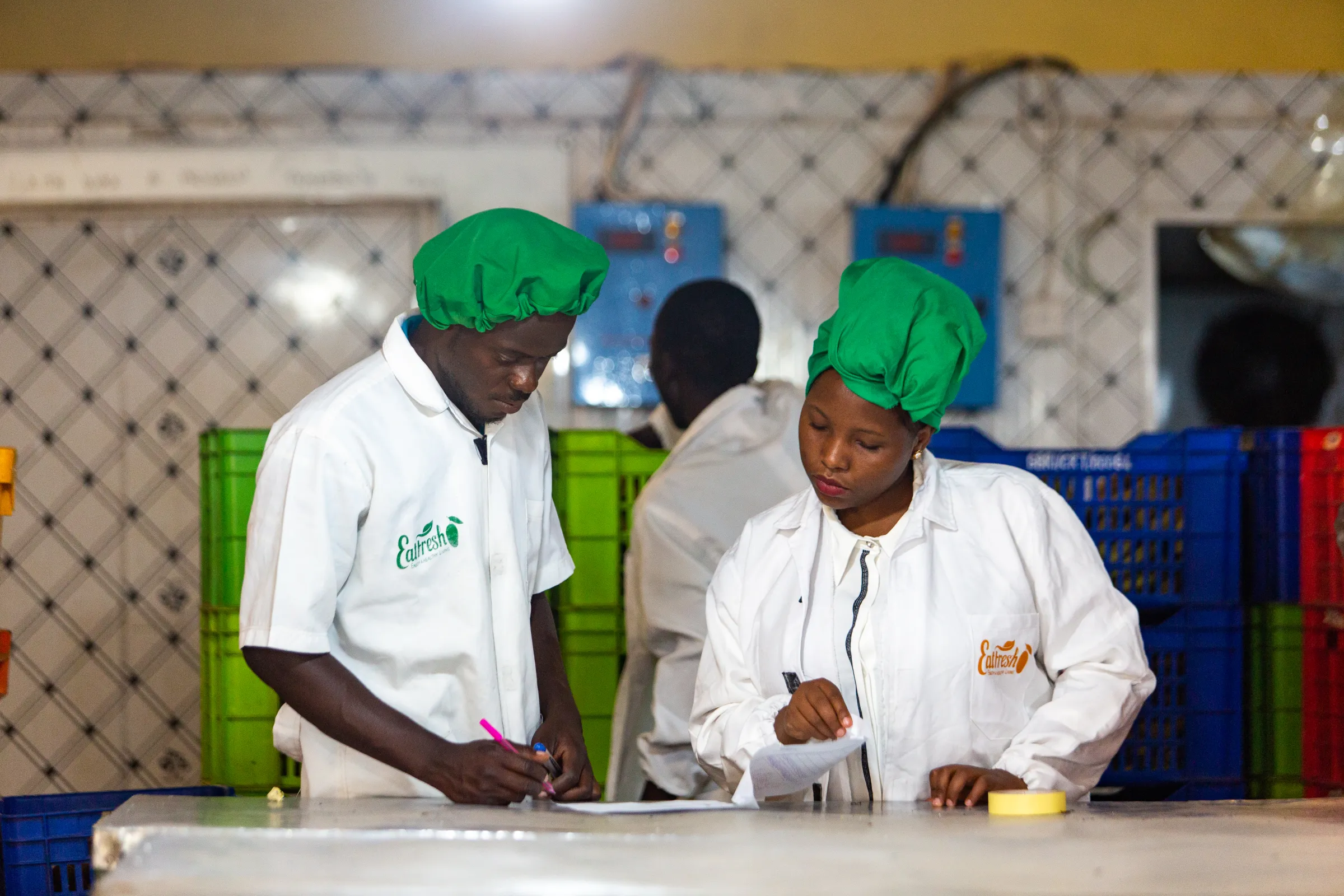
Hadija was not the only woman to benefit from the project. Women make up 90% of the workforce at GBRI. This includes 54 permanent staff, 500 weekly workers and 2,200 smallholder farmers. "I grew up seeing how women were marginalised, and I always wanted to show what women are capable of," says Hadija.
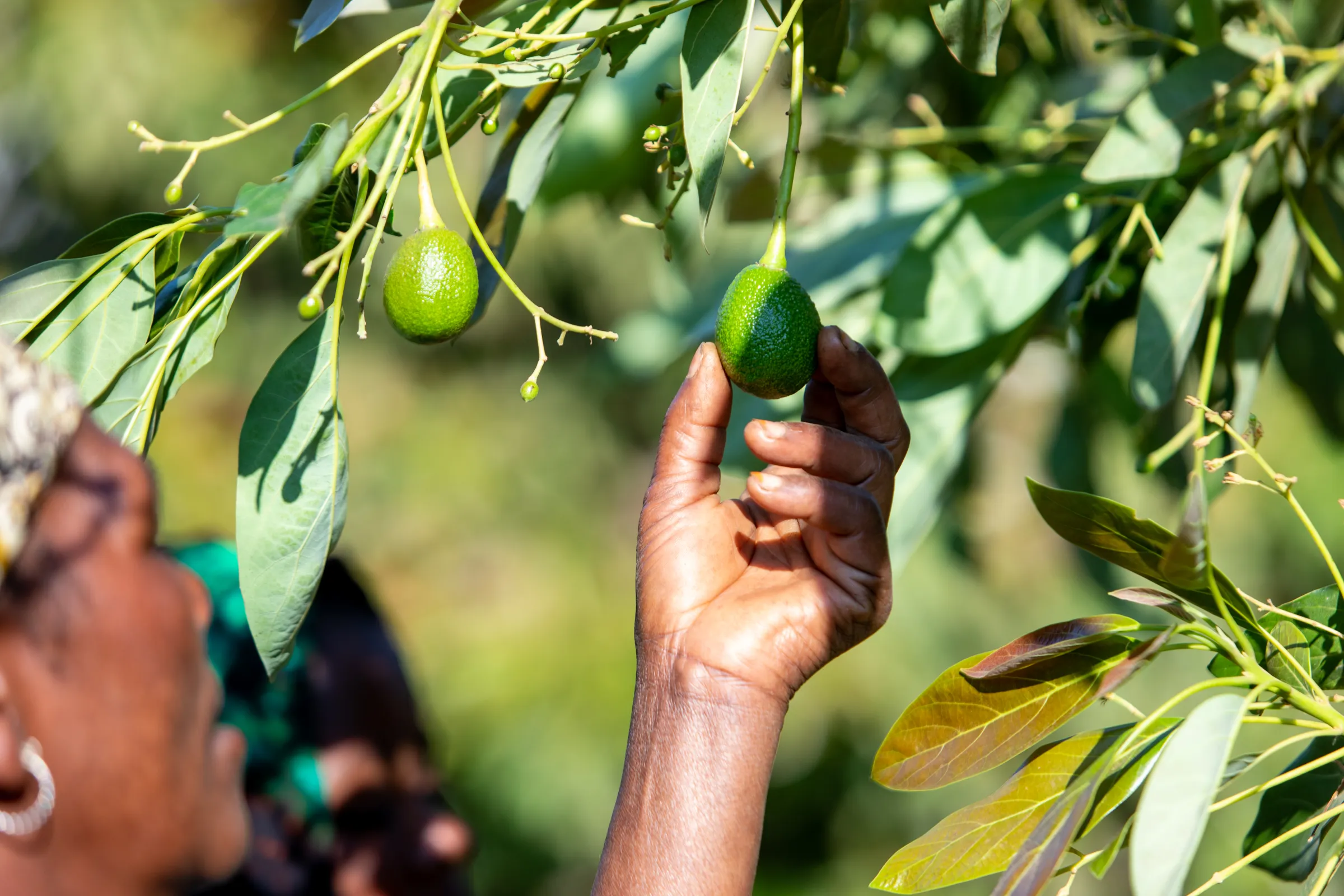
When COVID-19 made it hard to export fresh vegetables by air, Hadija changed her business. She began growing avocados, which have a longer shelf life. This allowed the company to ship large amounts by sea, which cost much less than air freight. The company worked with farmers across 7 regions of Tanzania and in Rwanda and Burundi. It also started AGRIEDO HUB, a consultancy company that helps young farmers.
A long-term vision
Hadija believes that being open and honest is the best way to win the trust of banks and partners. She also encourages young people to use social media for business networking. She explained their success as follows, "We googled our way to the European market". By 2030, Hadija and her partners plan to reach $100 million in sales. They hope to inspire more young Africans to pursue careers in farming and expand operations in Uganda and Rwanda.
About SDGP
The Sustainable Development Goals Partnership (SDGP) was a programme of the Netherlands Ministry of Foreign Affairs and the Netherlands Enterprise Agency (RVO). It helped groups of businesses and organisations find new ways to produce food and run businesses sustainably.
Read other inspiring stories about SDGP on our webpage Cultivating partnerships, harvesting results: SDGP in practice.
- Ministry of Foreign Affairs