From conflict to organic farming in northern Uganda
The content of this page has been checked on 13 August 2026
Communities in northern Uganda are rebuilding their lives through agriculture after years of conflict. A project funded by the Sustainable Development Goals Partnership (SDGP) helps farmers sell organic products to international markets.
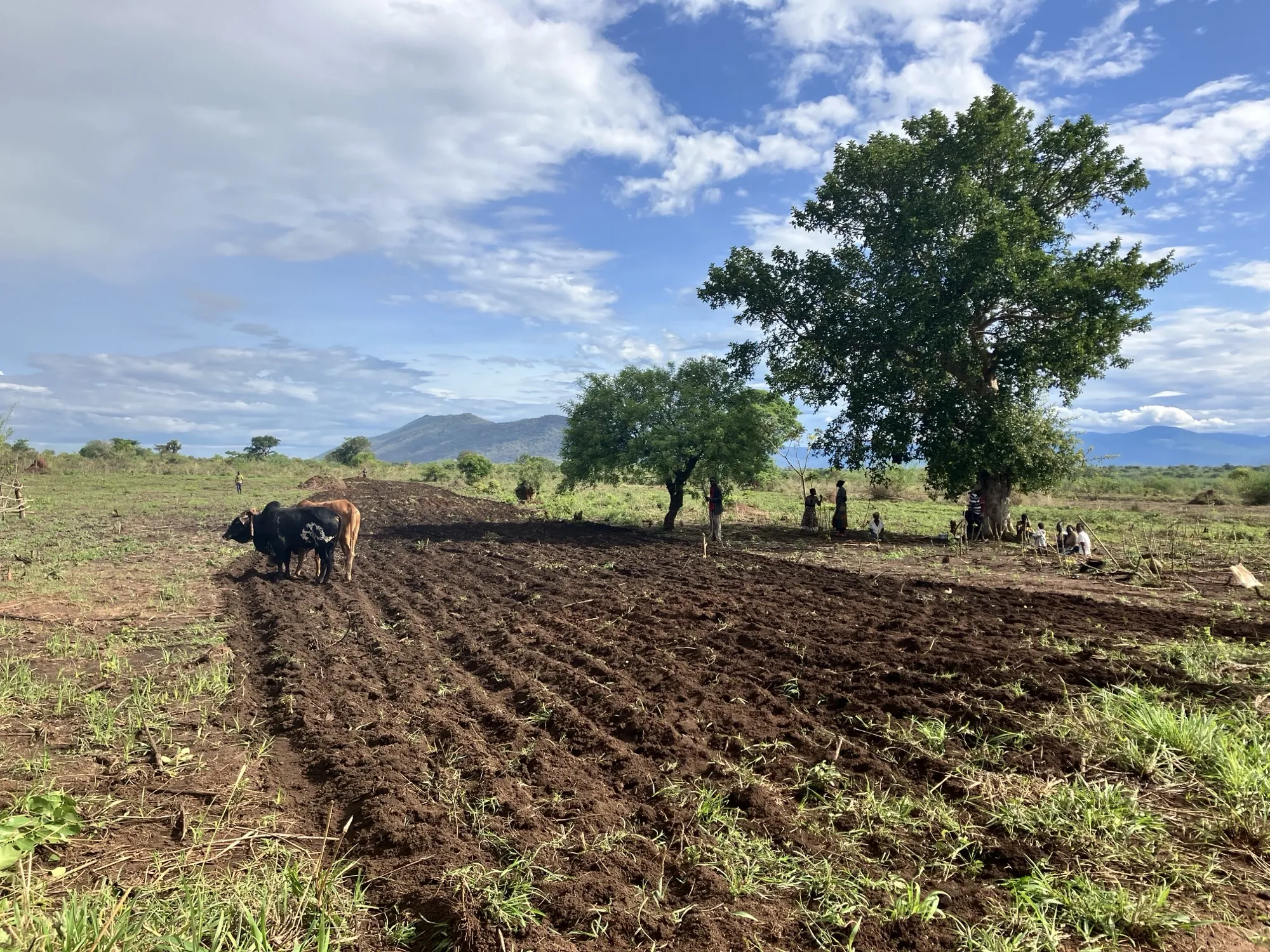
Rebuilding after conflict
Northern Uganda has faced many years of problems, but today, agriculture is helping families build a new future. In the plains of Lamwo and Nwoya districts, sesame fields show this change. Amooti Bruce is a manager at the Gulu Agricultural Development Company (GADC). He said the Pathway to Recovery project helped displaced people and refugees rebuild their lives. 190 GADC field officers and local coordinators helped 25,000 families.
The pathway to recovery project
The project received a €2,231,000 subsidy from the Netherlands Enterprise Agency (RVO). A group of organisations ran the project. These included DO IT from the Netherlands, GADC, EyeOpener Initiative, and the district governments of Nwoya and Lamwo. The project connected farmers to European markets for organic sesame and shea butter.
The project supported farmers in 4 main areas:
- Technical training. Field officers taught farmers about climate-smart agriculture and how to improve their harvests through better planting methods.
- Market access. The project helped farmers get organic certification so they could sell their products at higher prices in Europe.
- Financial literacy. Farmers joined Village Savings and Loans Associations (VSLAs). These are groups where people save money together to learn how to manage their finances.
- Digital tools. Field officers used digital tools to collect data on crop progress.
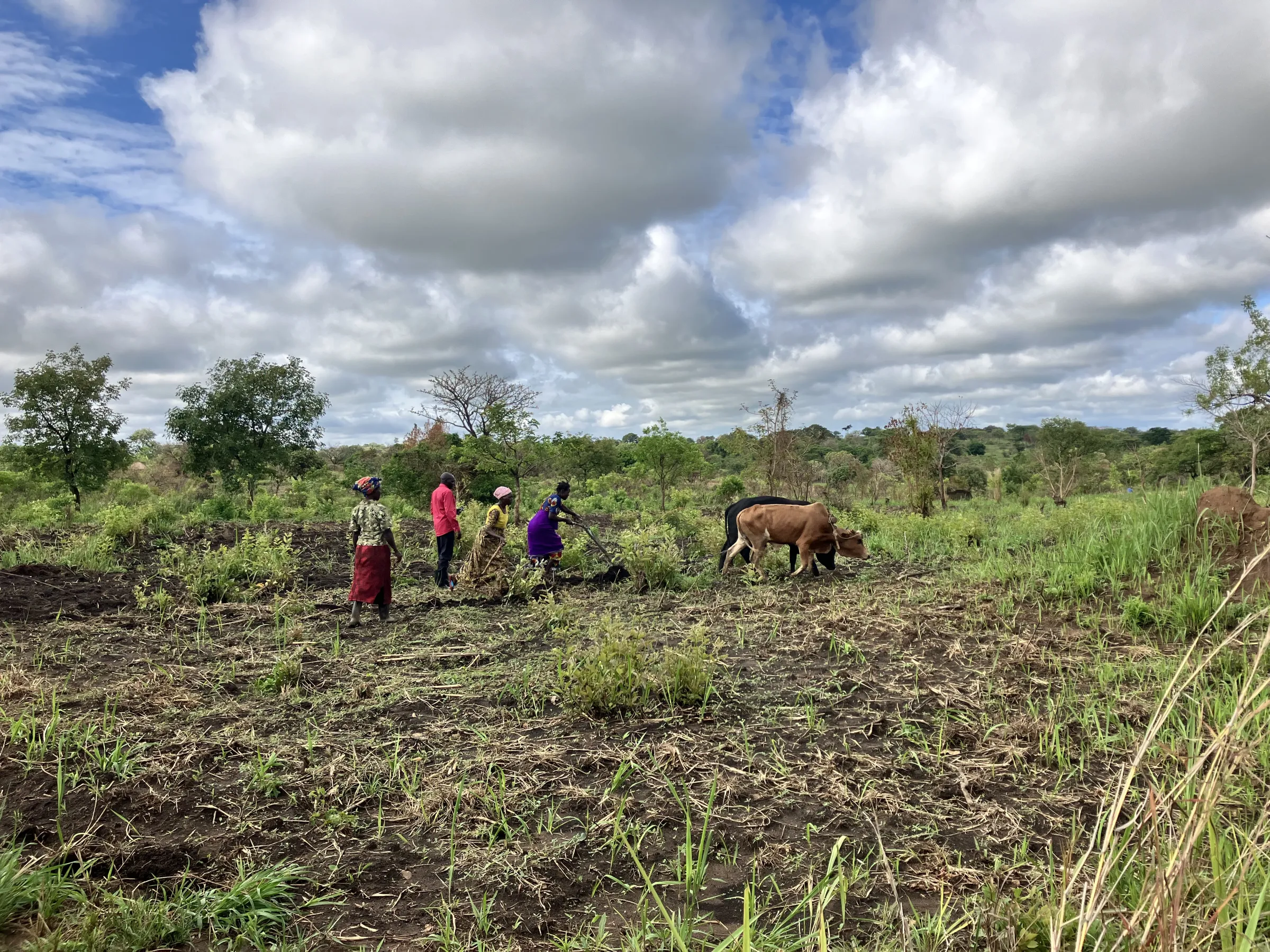
Better harvests and shared decisions
Before the project started, farmers often used traditional methods and scattered their seeds. Through training in proper spacing and line planting, harvests grew. For sesame, the average harvest grew from 423 kilogrammes to 496 kilogrammes. Farmers also requested growing soya beans instead of cotton because they could sell them more easily in the local market.
The project also helped families make better choices together. In the past, men made most of the financial decisions for the household. Through training and interactive games, more couples began making money decisions together. Bruce noted that while this change was slow, it was definitely happening.
Dealing with new challenges
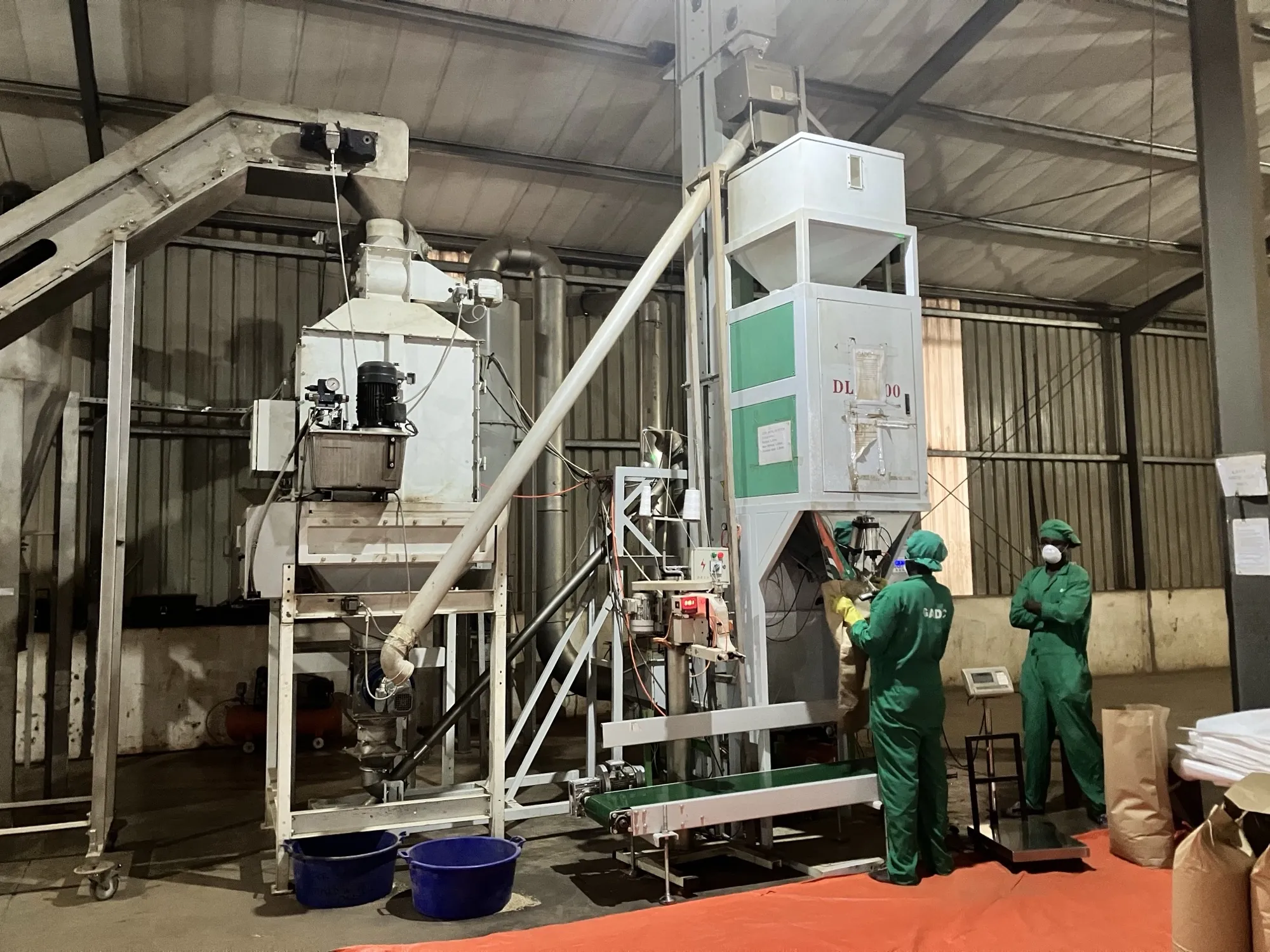
Exporting products from a country with no seaports, like Uganda, is expensive. Organic certification is needed to cover the costs. DO IT from the Netherlands created opportunities to enter new markets by buying the products at the port and shipping them to Europe. GADC handled the sourcing and processing of the crops before they were sold.
However, new European rules for organic certificates created some difficulties. In the past, many farmers could be grouped under a single certificate, but the new rules allow fewer farmers per group. This meant GADC had to get many more certificates, which led to delays because the certification organisations were very busy. Because of these delays, some products were sold as conventional crops instead of organic, reducing the farmers' income. Despite these problems, the project showed that agriculture can rebuild confidence and build a base for a better future.
About SDGP
The Sustainable Development Goals Partnership (SDGP) was a programme of the Netherlands Ministry of Foreign Affairs and the Netherlands Enterprise Agency (RVO). It helped groups of businesses and organisations find new ways to produce food and run businesses sustainably.
Read other inspiring stories about SDGP on our webpage Cultivating partnerships, harvesting results: SDGP in practice.
- Ministry of Foreign Affairs