Burkina Faso: Local adaptation in practice
The content of this page has been checked on 24 November 2025
In Burkina Faso, climate change and conflicts are threatening the livelihoods of people. Drought and intensive farming practices are particularly compromising the availability and quality of drinking water. The Reversing the Flow (RtF) programme is an initiative designed to find solutions to reverse this trend. RtF empowers communities to identify solutions to their problems and take action. Local organisations assist communities in their adaptation efforts. 2 of these organisations, tiipaalga and APIL, explain their approaches.
The situation in Burkina Faso
Burkina Faso is severely affected by climate change and is facing a humanitarian crisis. The number of people fleeing armed conflict continues to rise, making the need for drinking water and food increasingly urgent in the country's safer regions. As a result, local communities must be highly adaptable.
The RtF programme empowers these communities to design and implement plans tailored to their specific needs. The programme provides direct funding for local initiatives through RtF hubs. This method fosters ownership and collaboration within the community, encouraging sustainable change.
APIL and tiipaalga are 2 local organisations that serve as RtF hubs. They assist local communities in analysing their living environment, identifying priorities and implementing climate change adaptation and water management strategies. Each organisation tailors its approach based on the specific needs and circumstances of the local area.
The tiipaalga approach
The national association tiipaalga operates in Burkina Faso and maintains an apolitical and non-denominational perspective. With a team of over 100 members, it works to improve living conditions for farming families. The organisation operates in the Ziga Dam watershed, a vital source of drinking water for Ouagadougou. However, drought and intensive farming practices have led to a significant decline in soil quality in the region.
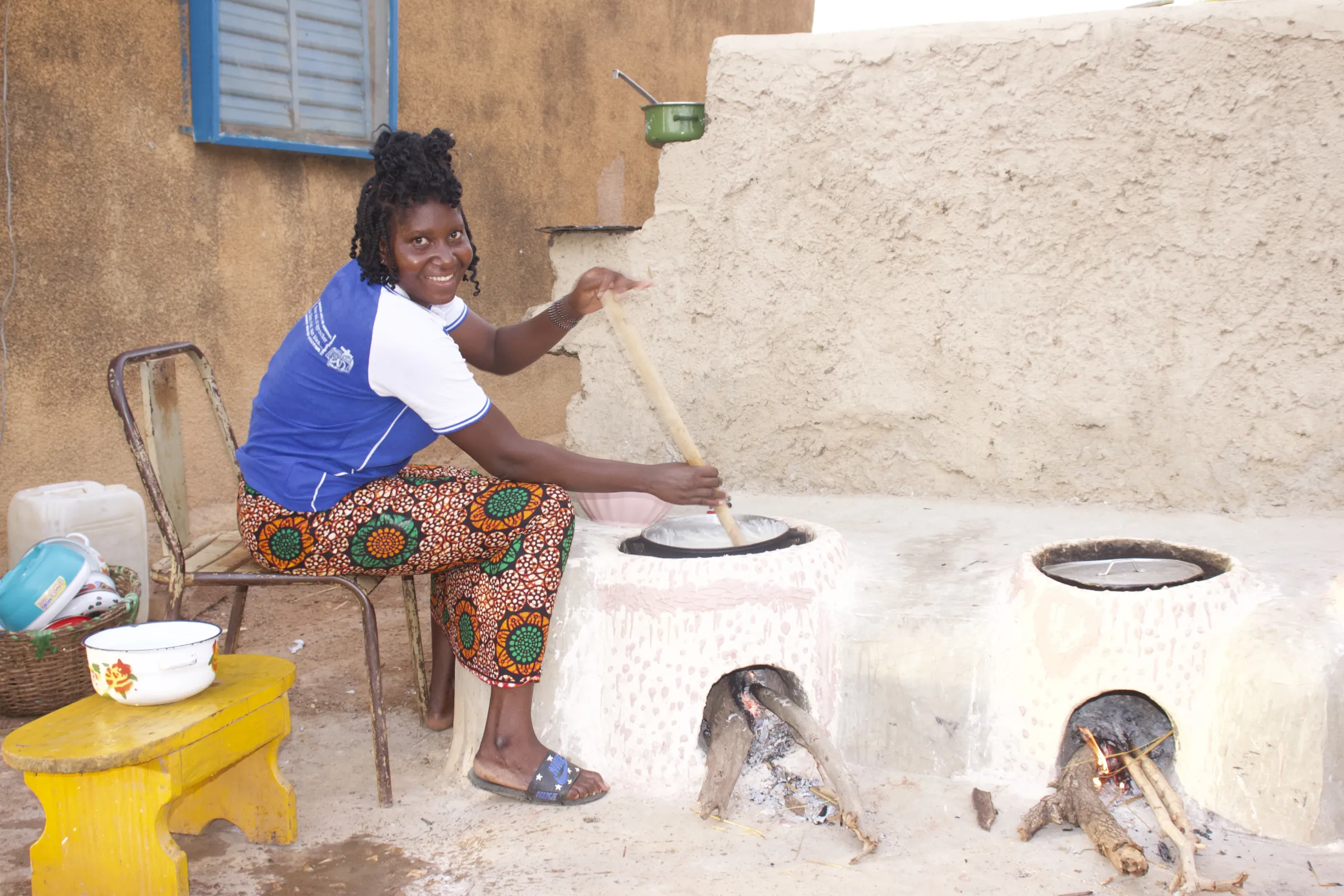
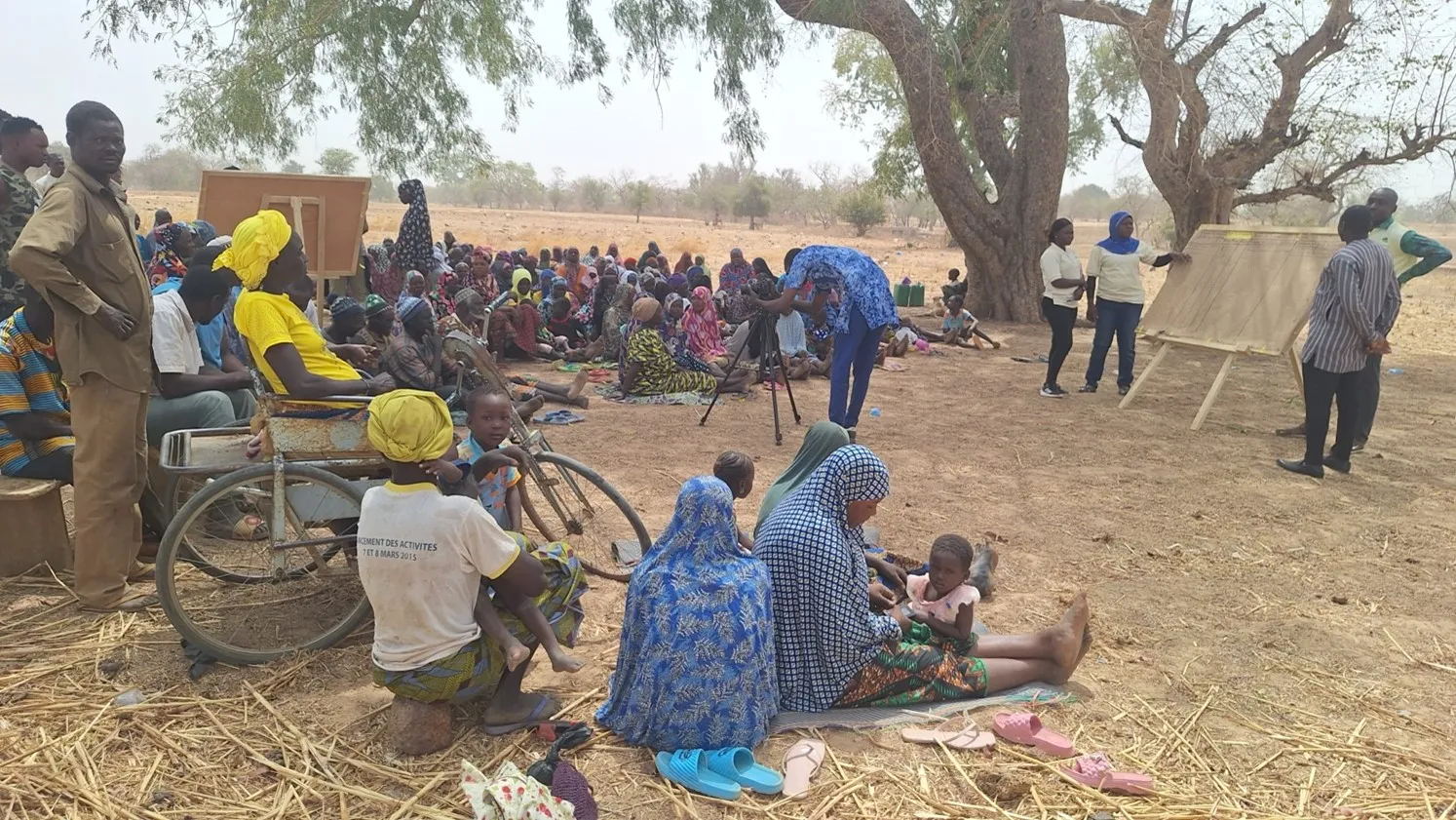
In supporting twelve villages across 3 municipalities, tiipaalga plays a crucial role in supporting communities to identify climate risks and develop practical solutions for their protection. The communities prioritise various needs, such as improving roads, ensuring access to clean drinking water, and enhancing water for agricultural activities, including livestock farming and market gardening. They also focus on income-generating activities, restoring agricultural land and promoting sustainable forest management.
To implement these measures, tiipaalga sets up local committees to lead the efforts. This approach is integrated, combining technical measures such as reforestation and soil restoration with initiatives aimed at raising awareness and building local organisational capacity. This method fosters local adaptation effectively. As a result, villagers are proactively launching initiatives, engaging in advocacy and attracting extra support.
To learn more about this method and the work that was carried out, read the blog on TheWaterChannel website.
The APIL approach
Action for the Promotion of Local Initiatives (APIL) is an NGO that operates in the Korsimoro and Zitenga regions. Many Burkinabe refugees reside there, resulting in an increased need for food and drinking water. This situation has led to tensions within communities. To address these challenges, APIL is assisting 5 villages in developing action plans using the Participatory Community Planning (PCP) method.
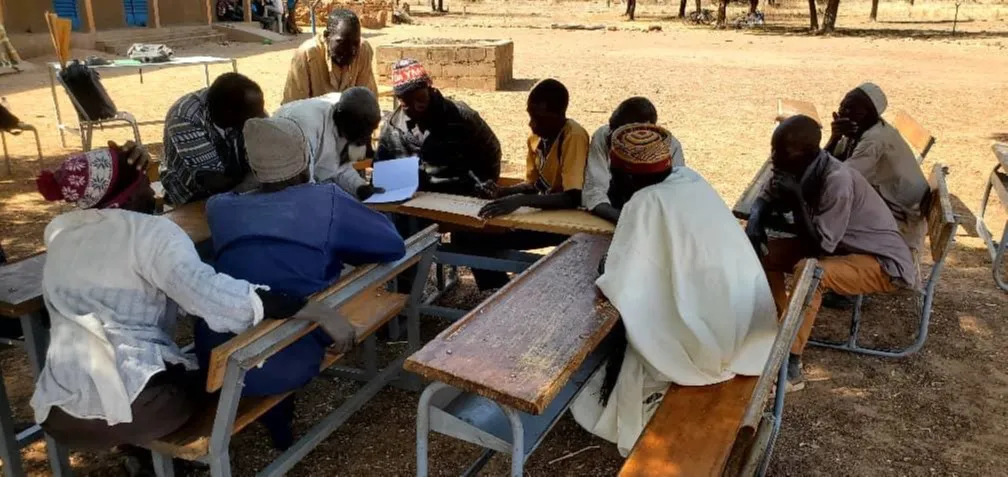
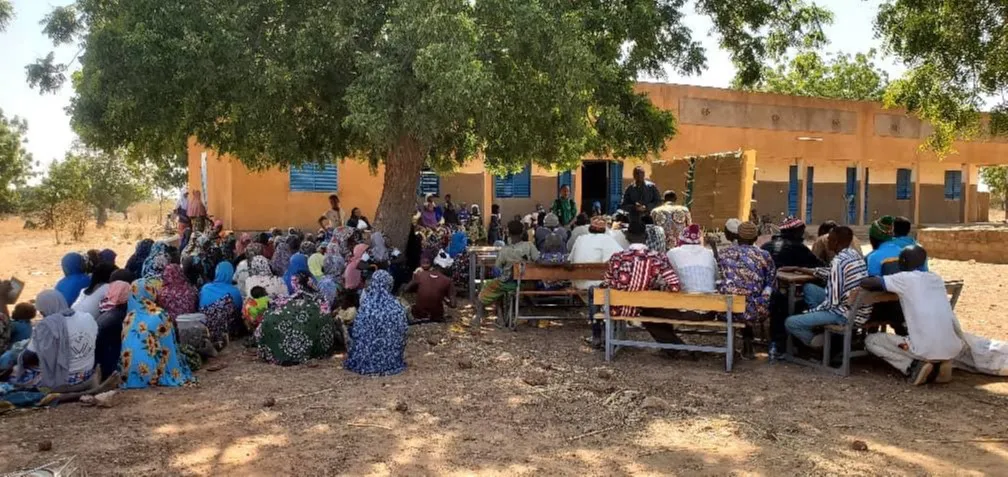
Communities have set their own priorities, such as improving a water reservoir for agricultural and livestock farming, and setting up a women's horticulture project. The women, in particular, focus on subsistence and consider small-scale agriculture a priority source of income. APIL also trains communities in financial management, enabling them to manage the funds they receive from the RtF programme independently. This approach promotes economic resilience and social cohesion.
For more information on the APIL approach to locally-led adaptation, through Reversing the Flow, see the blog on TheWaterChannel website.
Read other inspiring stories on locally-led adaptation from various Reversing the Flow initiatives on our webpage
Reversing the Flow (RtF)
RtF supports vulnerable communities by improving their water security and empowering them to participate in landscape and watershed management. Under this programme, projects are community-owned. Communities manage the funds they receive and plan, implement and oversee water and climate adaptation operations themselves. This community ownership fosters sustainability and strengthens their resilience to climate change. Local partners, known as RtF hubs, support communities in organising and implementing their activities.
- Ministry of Foreign Affairs