Everyone has a voice: Community-led change in Kenya
The content of this page has been checked on 9 October 2026
In the dry lands of Turkana, Kenya, water is the most important resource for life. But the area faces many problems because of climate change. Temperatures are high and rising, and severe droughts happen regularly. The Turkana Pastoralist Development Organization (TUPADO) is working to help these communities. Through the Reversing the Flow (RtF) programme, TUPADO empowers local people to build solutions.
The situation in Turkana
Turkana is a very dry area where most people keep livestock like goats and camels. Every 4 years, there is a serious drought. Pastoralists must move long distances to find water and grass for their animals. This often leads to conflict over resources with other groups. Adding to the challenges, an invasive plant, Prosopis juliflora, is growing in many areas and taking over good grazing land.
TUPADO has operated for 25 years in Turkana County and across borders in South Sudan, Ethiopia and Uganda, partnering with other local and international organisations. In Turkana, TUPADO works as a hub for the Reversing the Flow project. This means they make sure that smaller groups get the programme funding and technical help.
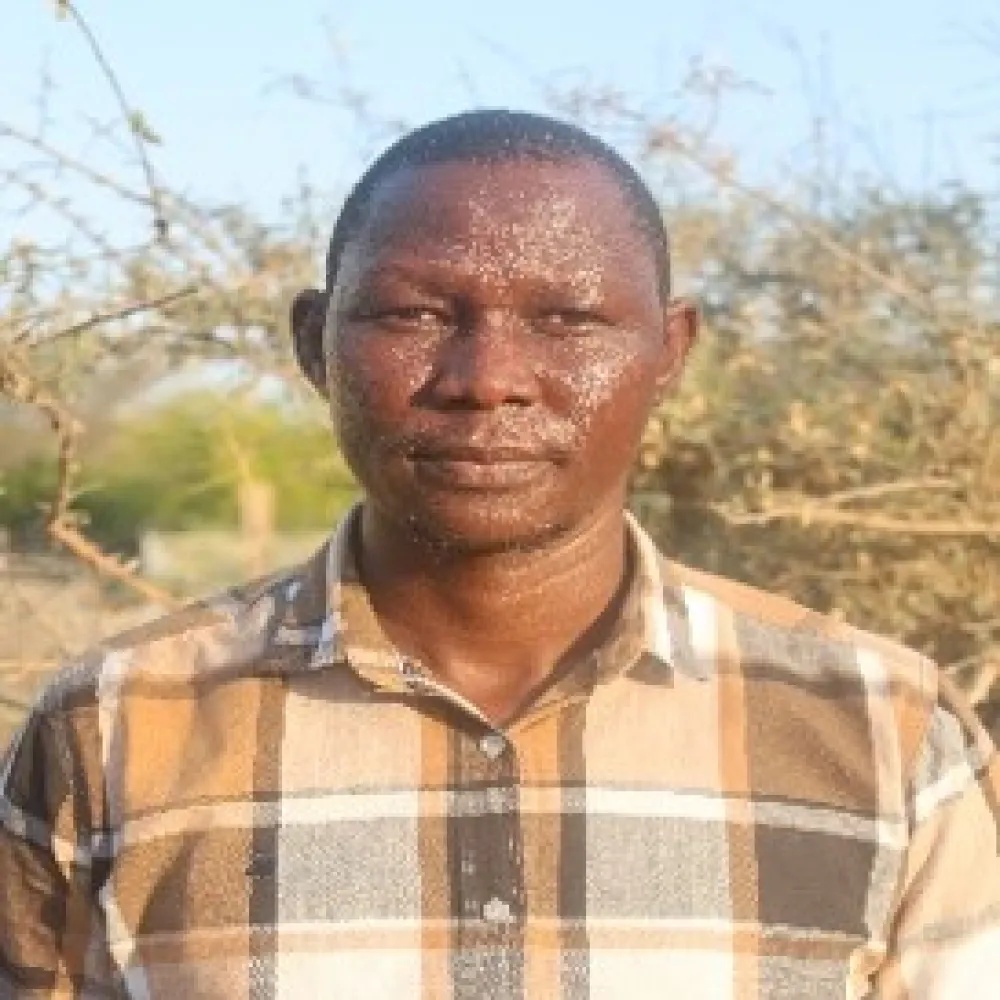
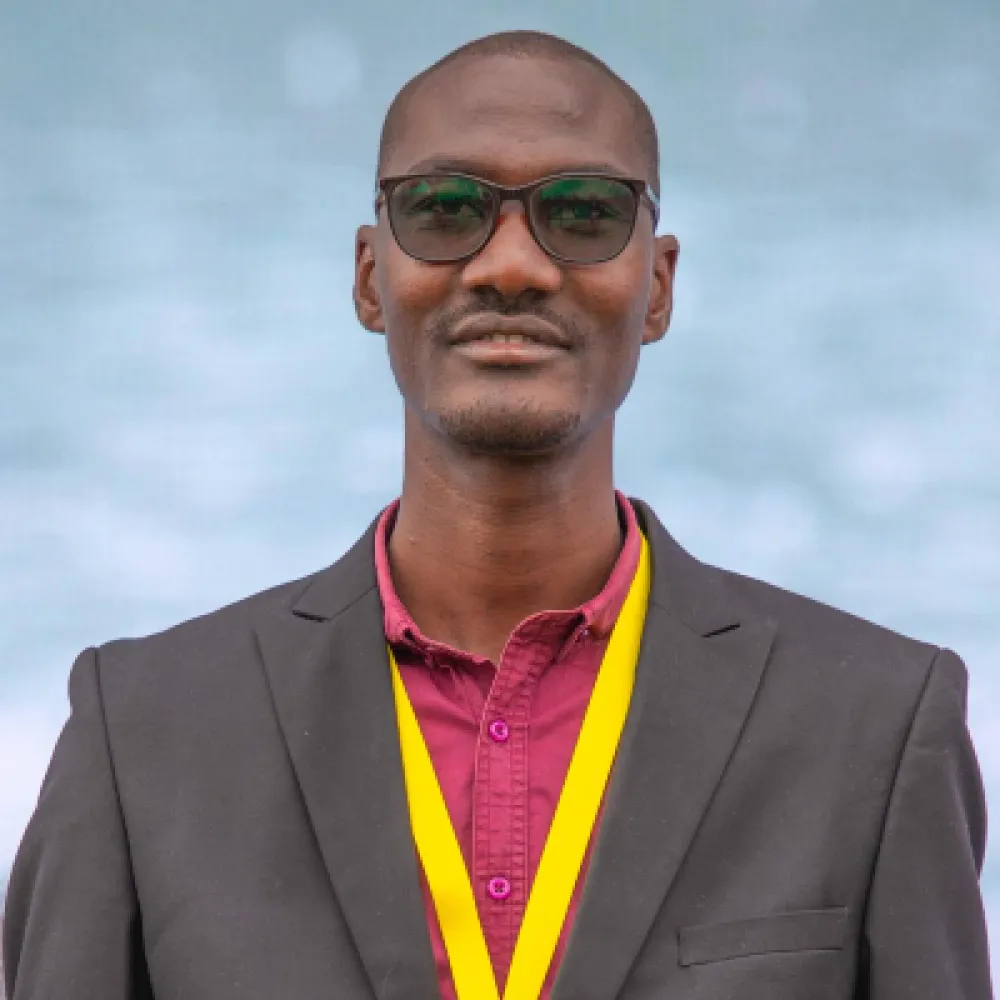
David Kang'ole is Director of Programs at TUPADO. He previously worked for the government but joined TUPADO in 2018 to serve the community directly. David remembers when he first told local groups about Reversing the Flow's approach.
Bringing everyone together
The work starts by mapping the priorities at a baraza (community assembly). This is a traditional meeting that brings everyone together, including village elders, women, youth and people living with disabilities. During these meetings, the community maps its resources and ranks its most urgent needs. To ensure the final plan represents everyone, TUPADO hears groups that are often silent and gives specific roles through a joint review of community proposals. For example, youth members help with technical tasks like record-keeping. They also handle reporting by taking photos or video clips of their progress and sending real-time implementation updates to TUPADO via calls, WhatsApp or SMS. Women often take on financial roles because the community trusts them to manage money honestly. This process helps the community find a consensus and own the solutions together.
TUPADO helps 20 villages. These groups have started working on many new initiatives, such as:
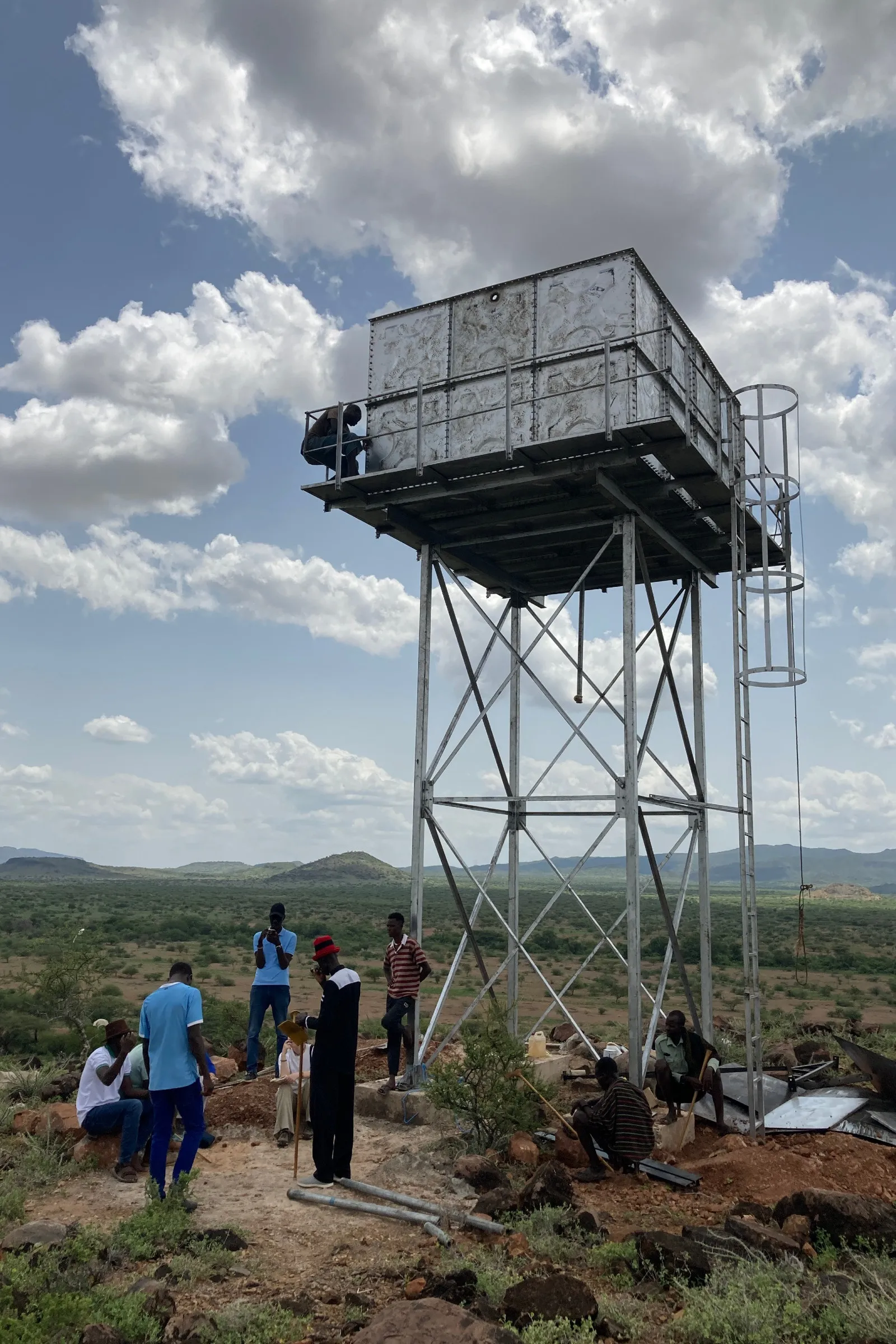
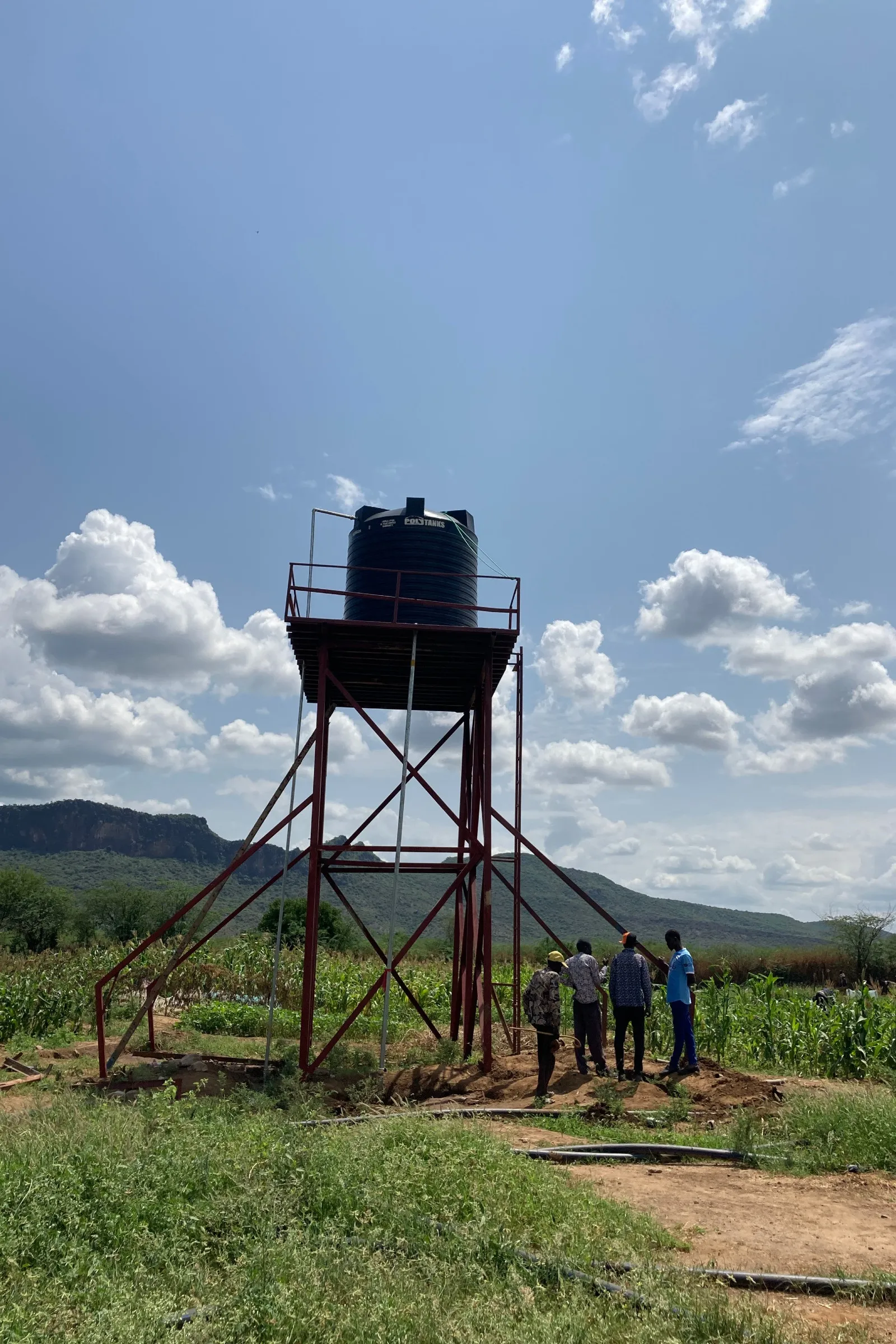
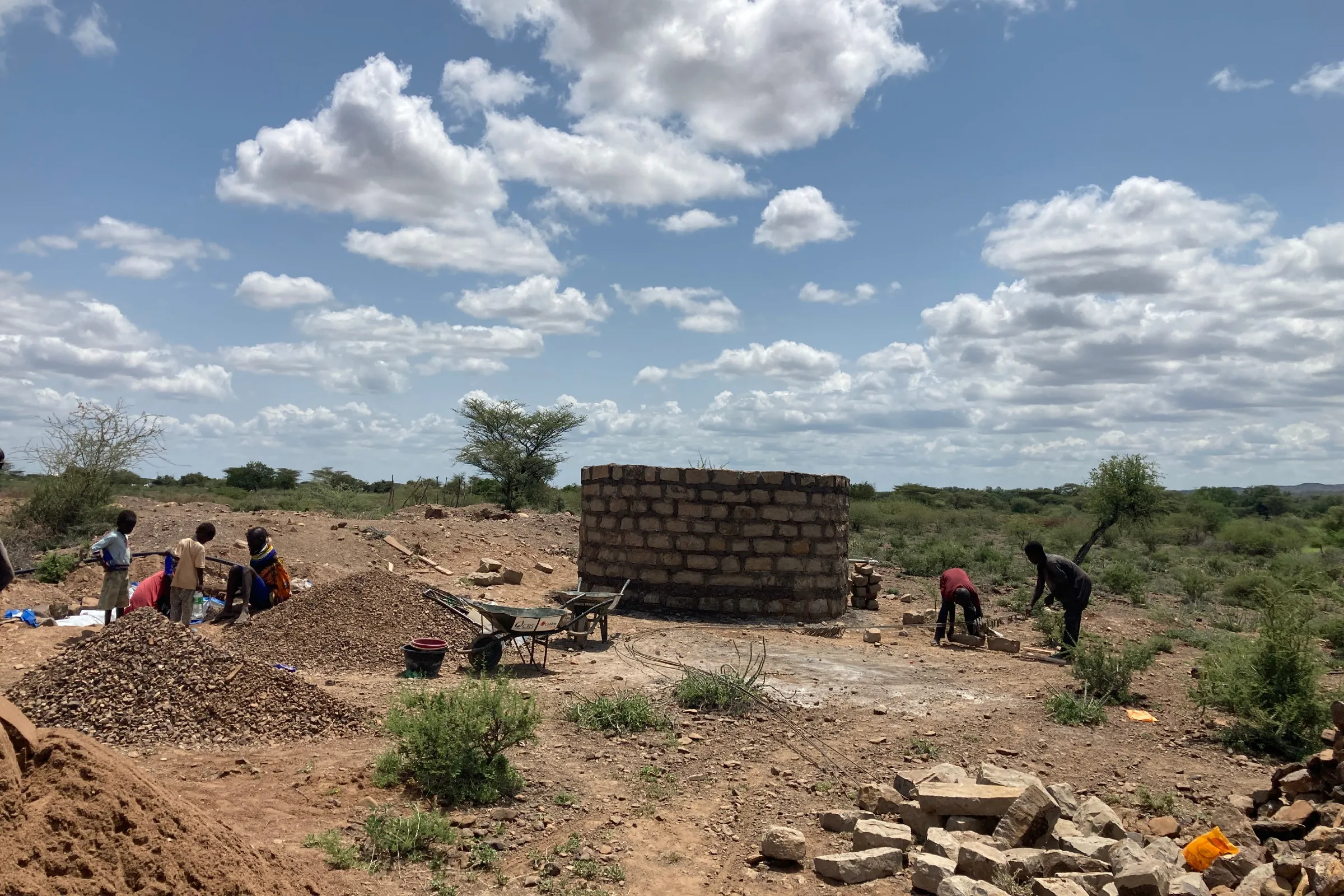
- Water projects. People fix old boreholes and install solar pumps. They also build large tanks to store water so it is available during the dry season. This also includes rehabilitation of water pipelines and micro-drip irrigation projects.
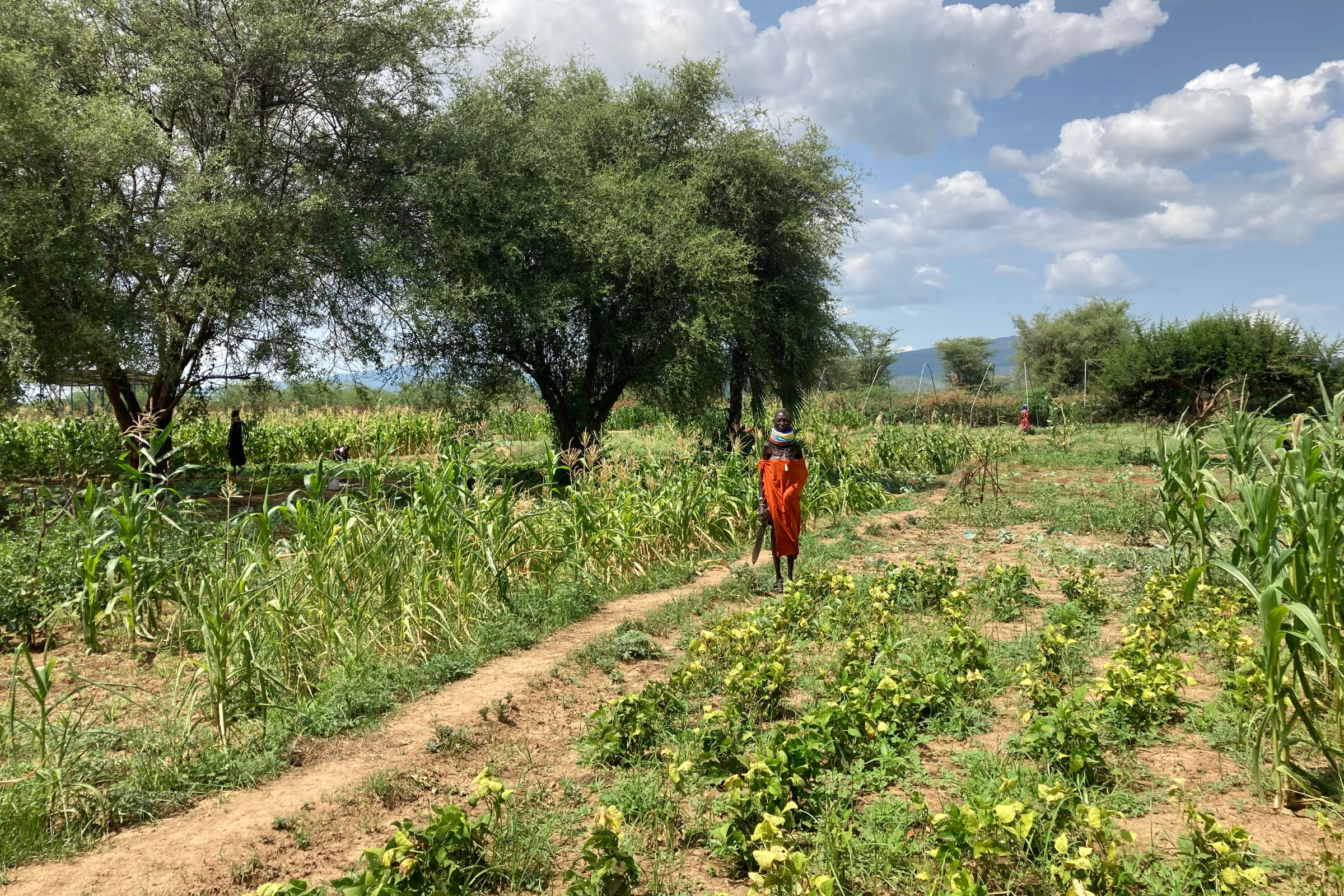
- Restoring the land. Local groups clear the invasive plants (Prosopis juliflora) so they can grow grass for their animals again or establish farms for vegetable and food crop farming. Some groups are setting up tree nurseries to grow tree seedlings for selling and planting within their communities.
- New ways to earn money. Some groups have started businesses to fatten goats to sell at a better price. Others are planning to grow aloe vera plants to make and sell high-value soaps.
Building trust and skills
David says that working with the Netherlands Enterprise Agency (RVO) is a unique experience. A considerable part of Reversing the Flow is the direct funding, which has led to a more equal partnership. David explains, "RVO has held our identity very high because we get funds directly... We are used to top-down partnerships, but now it is bottom-up."
RVO has also provided a platform for knowledge sharing. TUPADO staff have learnt from similar locally-led adaptation projects in all 5 countries where RtF is active. This has changed how TUPADO works with the pastoralists. They now have more trust in the community's own implementation skills.
Paul Ekwar, Programs Coordinator at TUPADO, also likes how fast the direct method has been. Local people can buy materials much more quickly than a large international organisation. And Paul says the local committees are very careful with the money. They sit together and agree on every purchase before they spend any funds.
Ownership and confidence
This way of working is also changing how communities talk to the local government. In the past, people waited for the government to help them. Now, they are doing the work themselves and showing the government the results. David recalls how one community built a water pipe to a village 4 kilometres away. When politicians were surprised and asked who did the work, the people said, "This is us. We did it." David continues, "It was a shock for them. They thought this community had no capacity. In a way, RVO has been an advocacy tool, where the community is enabled to knock on doors to get what they want."
As a result, communities are also more likely to ask for services from their government. And amid any pushback, David says communities are confident in their ability to claim ownership of their initiatives. He continues, "Sometimes you find government officers trying to control the community, and the community tells them this is our own initiative. If you want to help us, come share with us your ideas and we will pick them up."
In the future, TUPADO aims to help more groups lead local adaptation. David and Paul want to record all their results to show others how well this way of working works.
Read other inspiring stories on locally-led adaptation from various Reversing the Flow initiatives on our webpage
About Reversing the Flow (RtF)
RtF supports communities in vulnerable situations by strengthening their water security and voices in landscape or watershed governance. Under RtF, projects are community-owned. Local communities manage the funds received. Also, they plan and implement water and climate adaptation activities. Community ownership enhances the projects' sustainability and increases their resilience to climate change. Local partners (RtF hubs) support communities in organising and leading these actions.
- Ministry of Foreign Affairs