Advocating locally-led adaptation: Indigenous people take action
The content of this page has been checked on 7 August 2026
In Kenya, Indigenous peoples once trusted traditional knowledge to predict the seasons. They rely on this knowledge to manage vital natural resources that provide food, livestock, income and support cultural practices. But predicting rainfall has become much more difficult because of climate change and the decline of community institutions. Communities have managed their natural resources for generations. However, many projects did not recognise or use this local expertise. But things are changing. New approaches now include traditional knowledge and community leadership. Indigenous peoples are leading climate adaptation and managing change on their own terms.
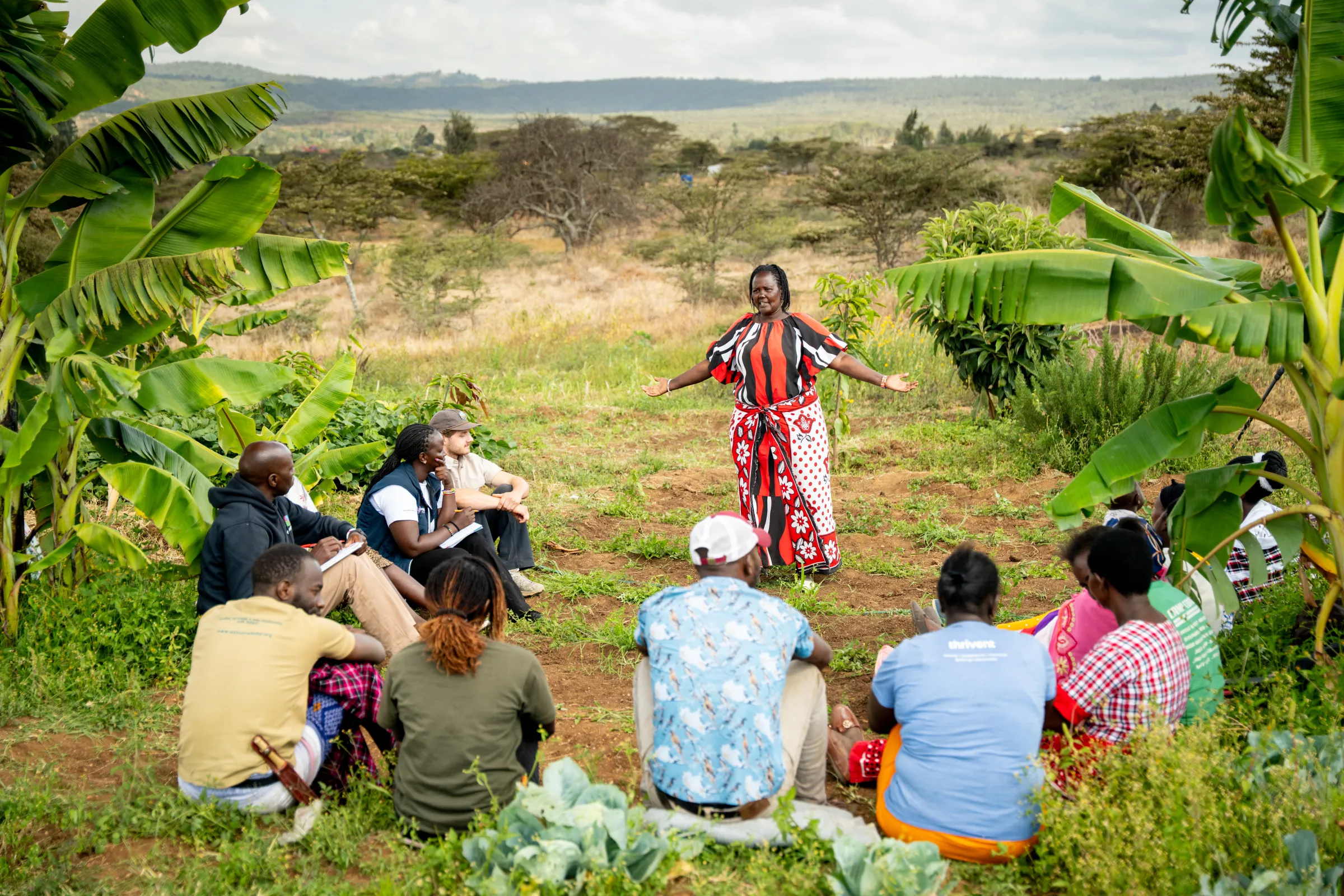
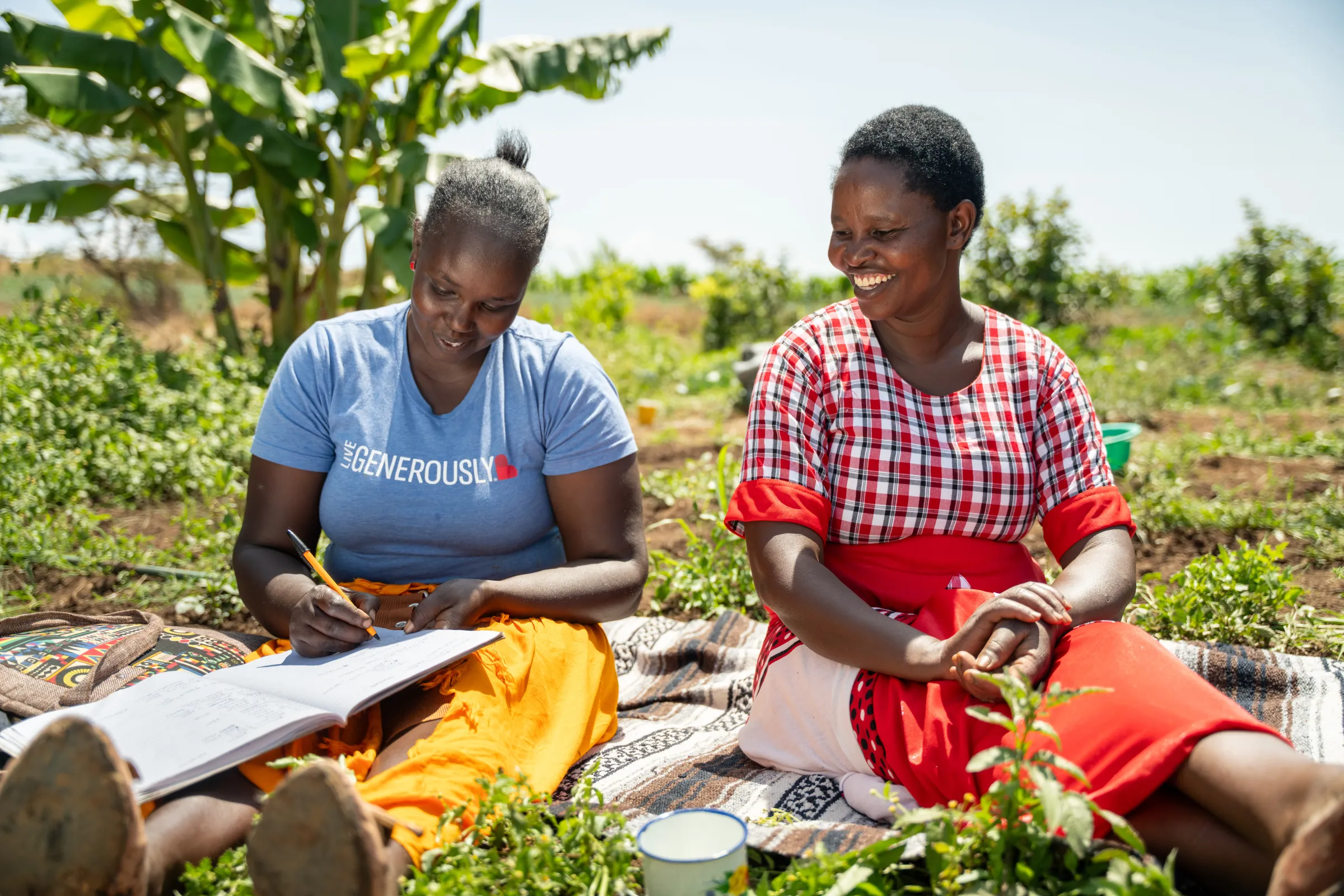
James Mema is Livelihoods and Direct Financing Coordinator for IMPACT Kenya. He describes how the locally-led approach of the Reversing the Flow programme (RESTORE Project) has brought positive changes for these communities. In the past, organisations and governments made efforts to improve community living conditions. But this put communities in a reactive rather than proactive position. Decisions had already been made for them, instead of with them, often not aligning with their priorities and needs. IMPACT is a land rights-based organisation that defends the rights and self-determination of Indigenous people.
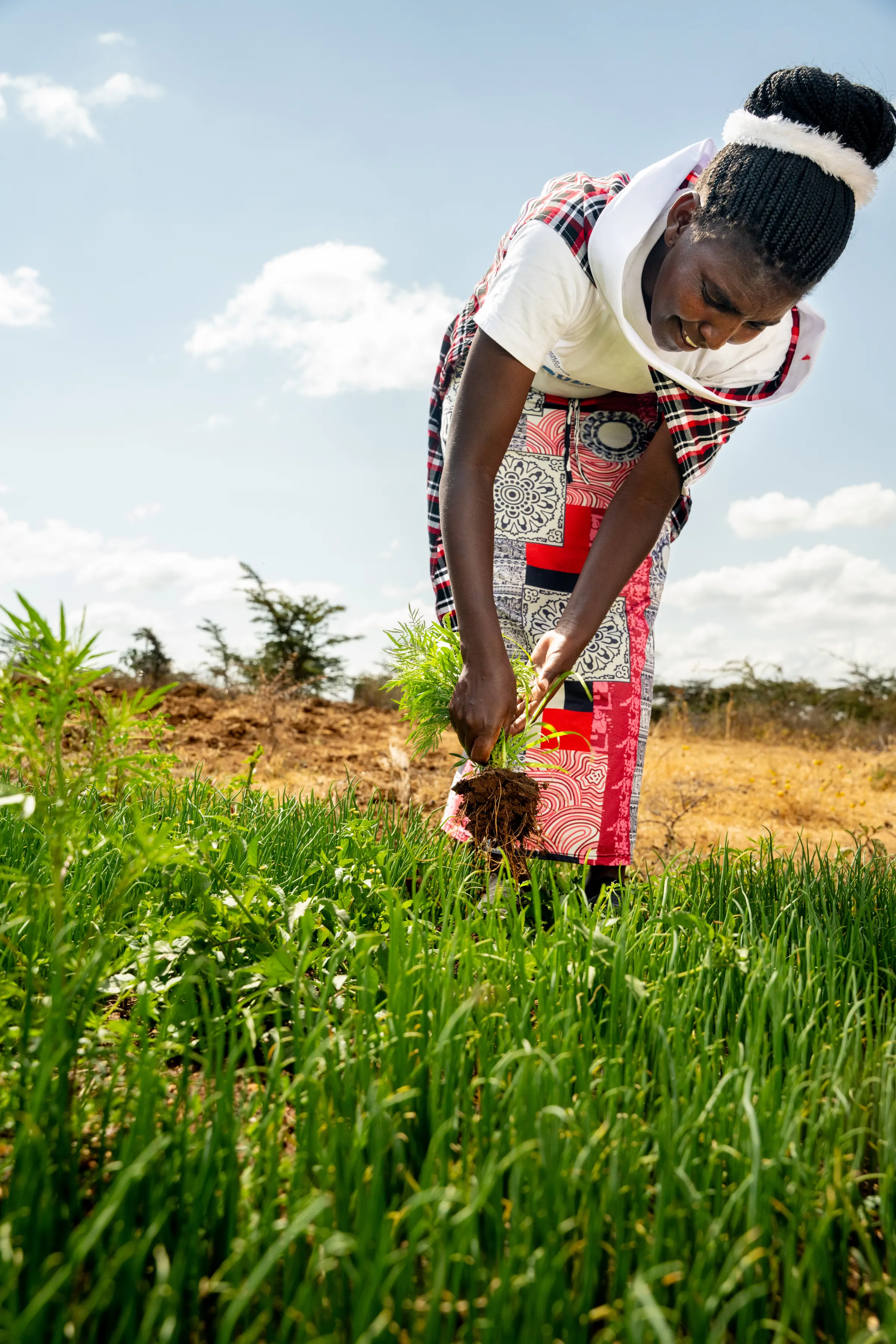
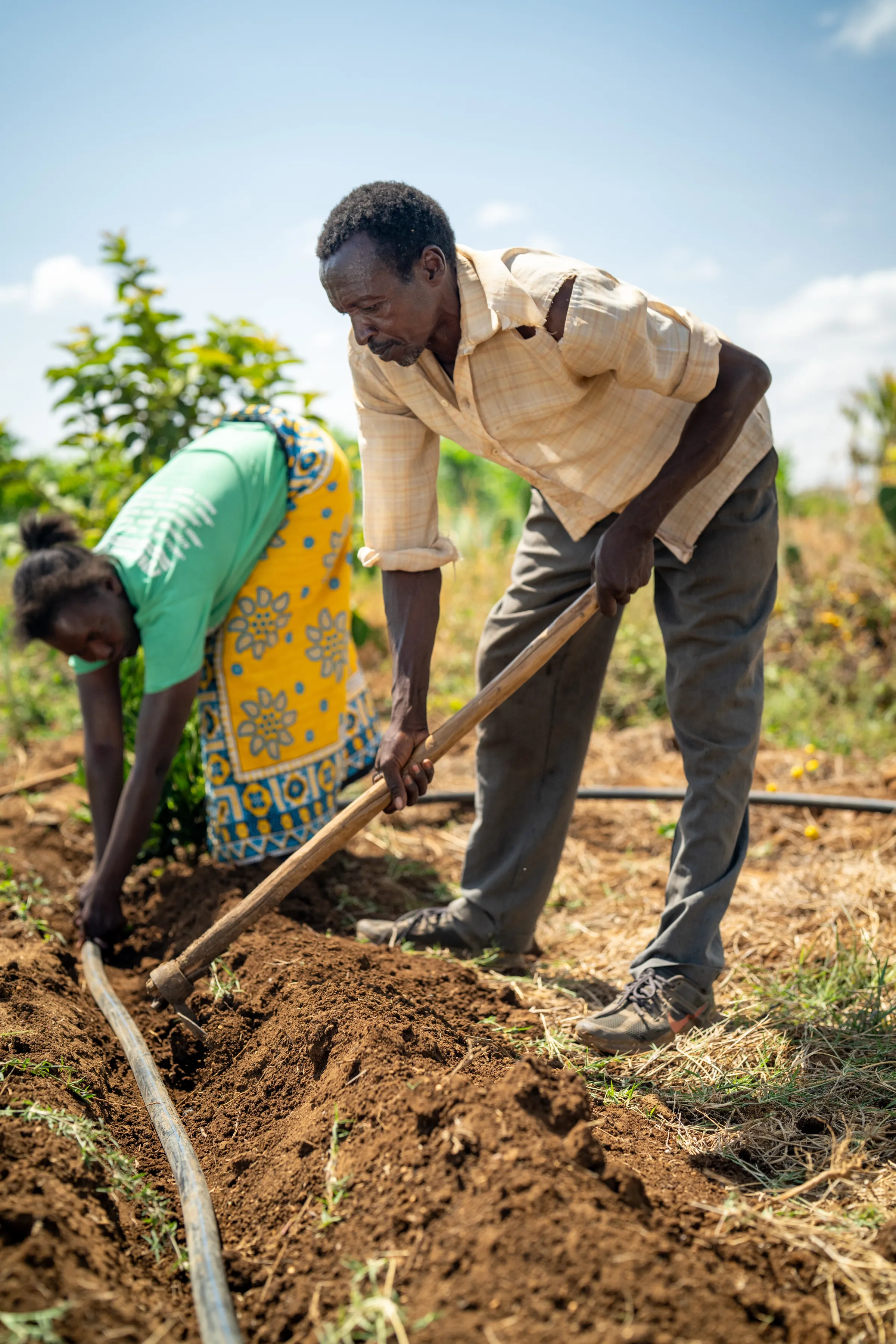
The situation in northern Kenya
James explains that once, pastoralists with their livestock and farmers lived in small groups. But over time, land use practices have changed. Private entities such as ranches, high-end lodges and infrastructure projects have taken large sections of high-potential areas, establishing businesses such as tourism lodges. This has led to deforestation, land overuse and land fragmentation. The systems that pastoralists and farmers depended on for their livelihoods no longer function. This loss forced pastoral communities to adopt new livelihood practices as the land they once held could no longer fully support pastoralism for a livelihood.
Also, climate change has made it difficult to predict weather patterns using traditional methods, leading communities to depend more on scientific weather forecasts. These are less accurate compared to indigenous knowledge. Because traditional methods are seen as less useful, people are no longer passing them to the younger generation. Gradually, these practices are disappearing.
Before, different groups rarely communicated with each other about landscape development. Changes in the landscape, such as business people moving to towns and the formation of conservancies, have forced communities to adapt. The new environment required communities to unite their efforts to succeed, James concludes.
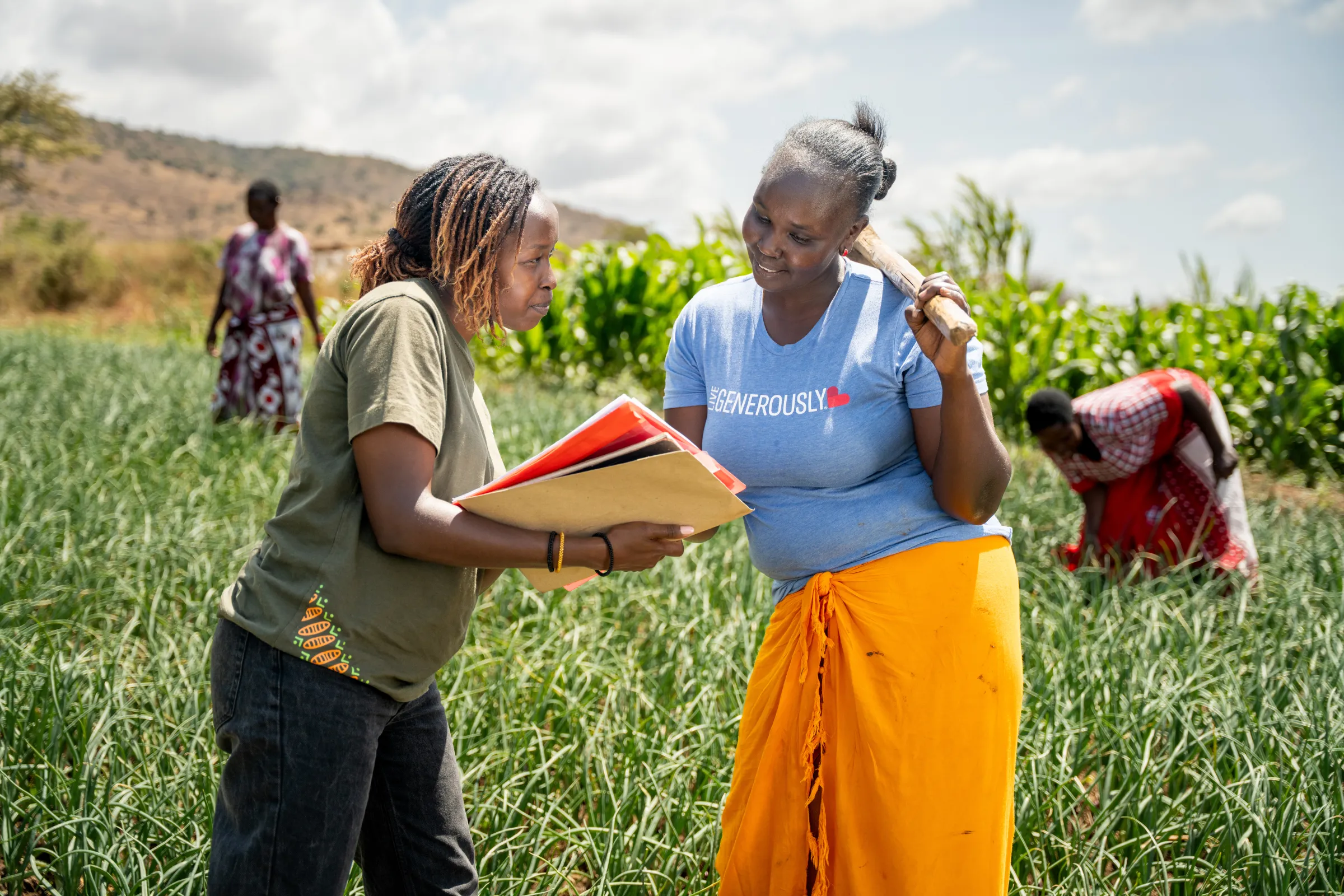
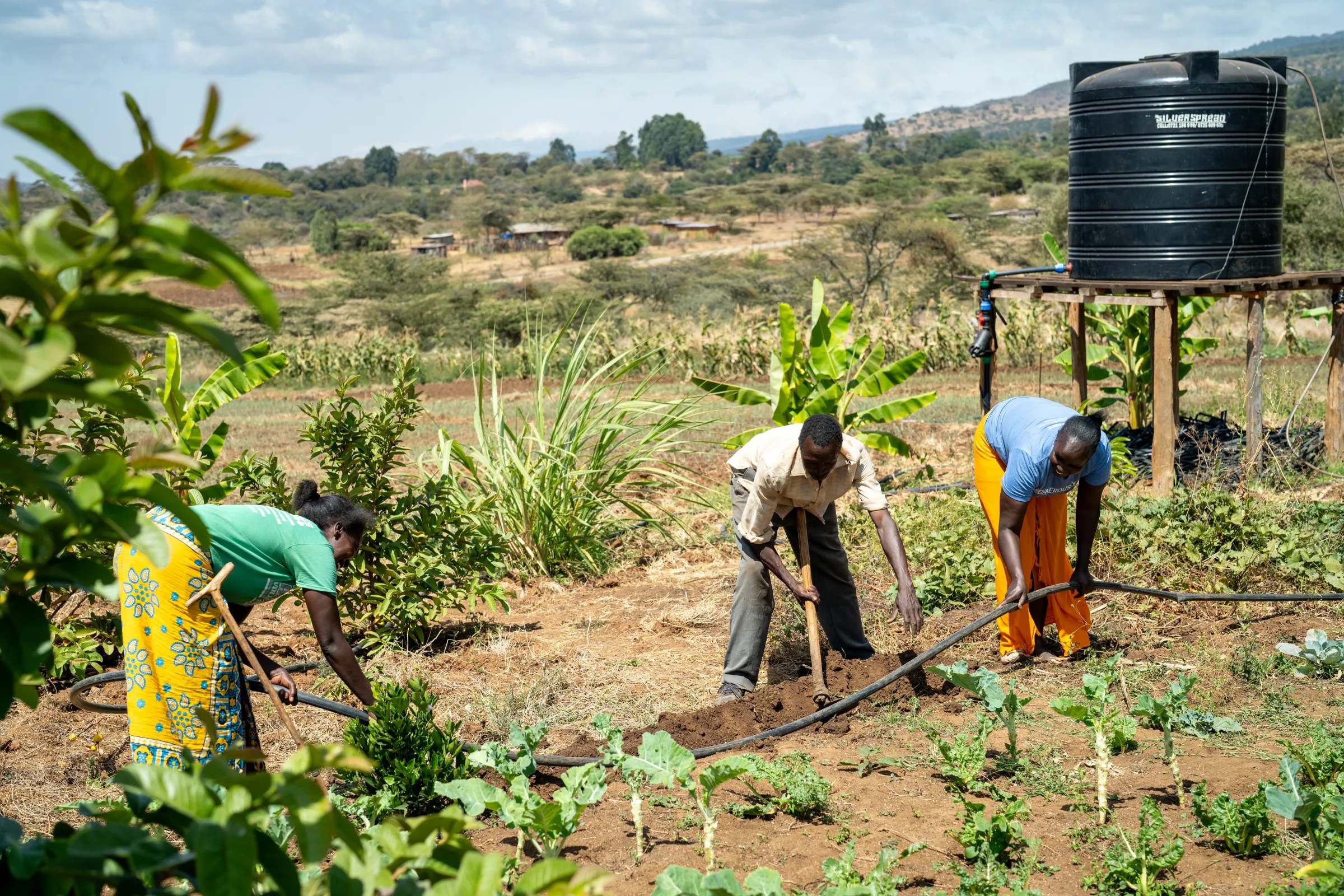
It starts with trust
Yet, the top-down approaches the communities had experienced before deeply affected them. These influenced their initial perspectives on the locally-led approach, which now involved their knowledge, experience and traditional wisdom. James remembers that the starting question was, "How do they see the new method?" At the start, the fear of mismanagement of funds was one of their biggest concerns. Also, the government worried that the approach would not be successful.
But trust came with experience; fears slowly changed to confidence. Over time, communities exchanged information, requested extra support and training, raising the profile of local groups and building confidence in their leadership. Women also played a significant role, making decisions about community land and projects together.

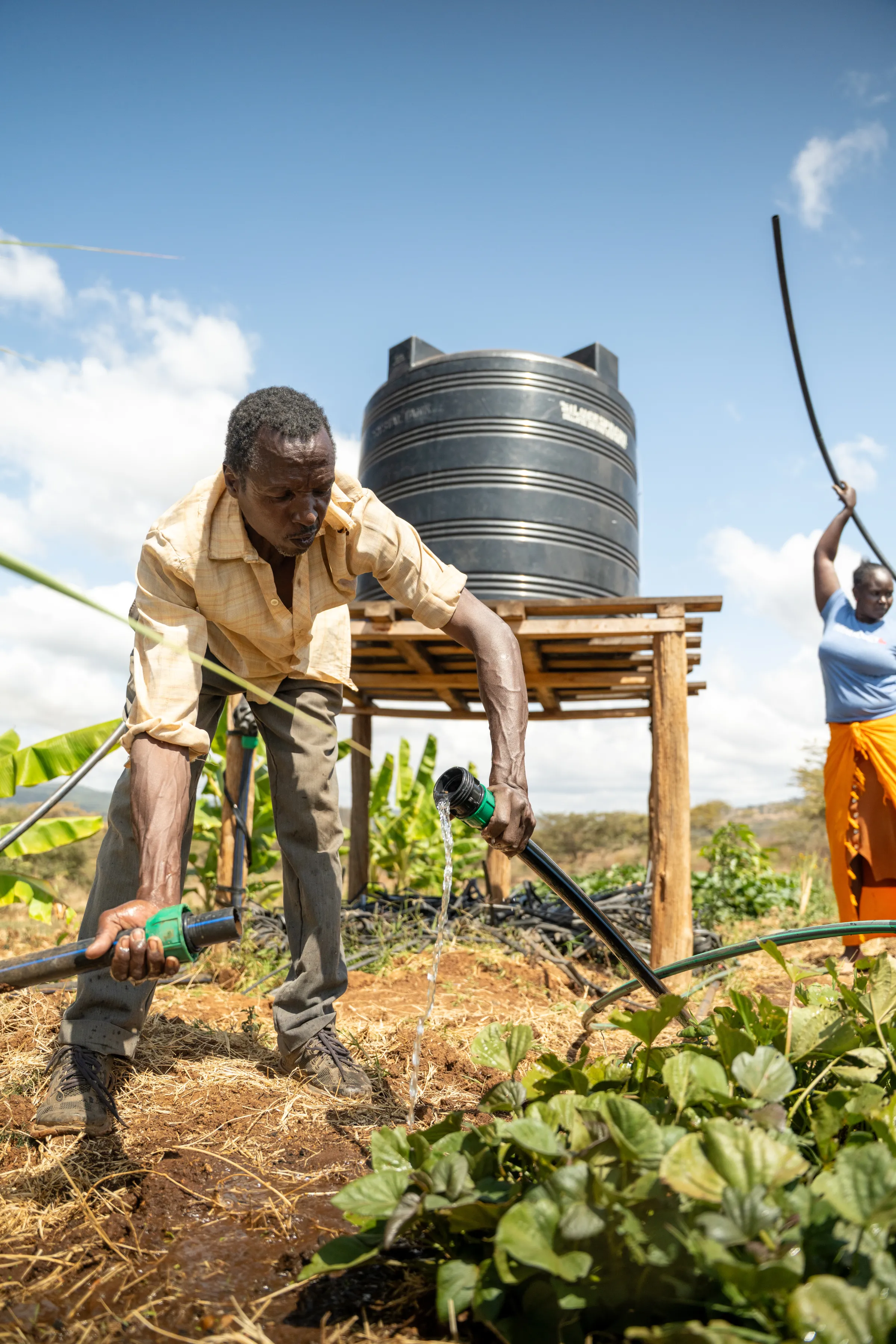
How to implement locally-led adaptation with good results
The true success factor, beyond community involvement and commitment, is the use of the locally-led adaptation approach at the community level. Focusing on the most urgent needs first has been central to this success. From the very beginning, communities have taken the lead in prioritisation, design and implementation. Using this as a starting point, new guidance has encouraged communities to work together and adopt methods that differ from previous practices. Despite this progress, challenges remain, including securing financing for community projects, strengthening local governance and documenting knowledge.
An important part of the programme involves identifying more communities. Encouragingly, communities are responding positively and now advocate the approach to other organisations throughout the landscape. Some, fearing failure, worked extra hard, learning from their mistakes. In the end, they did not fail. Now they advocate the new approach.

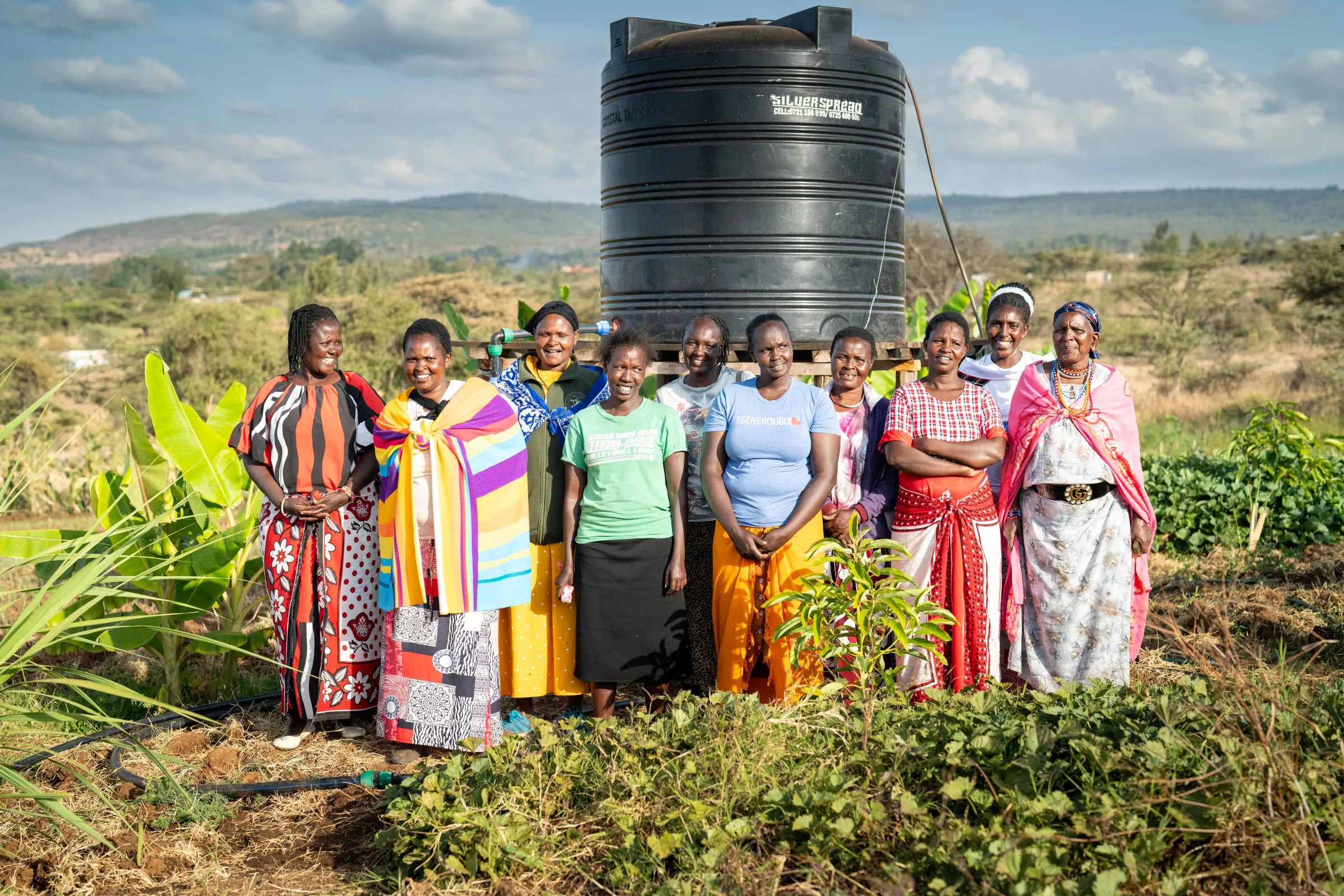
Integrating water security, climate change and women's livelihoods
By addressing water and climate challenges together, communities can focus on other priorities and solve a broader range of challenges. Water security is a central concern, deeply interconnected with climate change. Addressing these challenges requires considering women's livelihoods. To ensure water-related progress benefits all, invest in and strengthen women's livelihoods to improve their well-being and economic security.
For example, women used to walk more than 10 kilometres for water. They carried up to 20 litres to their farms and households. But 20 litres is not enough for one day. A main tank that connects water pipes to their households has improved their circumstances. In this project, the community also supported the vulnerable members, such as widows and others facing hardship.
For further discussion
James is pleased to leave the community with a foundation and hope, wishing that in the future, locally-led adaptation will become the norm. Yet, he notes that they are reconsidering what it actually means. He wonders whether it is truly locally-led when local communities themselves make decisions and implement the outcomes? Or does it also apply when local governments or organisations take action? This is an important distinction, and it will be interesting to see how locally-led adaptation will be defined going forward.
Inspiring change: Community resilience and empowerment
James concludes that his greatest inspiration is how the community now stands up for itself, speaks out and defends its positions. There was a moment when he witnessed the suffering of some of the poorest community members and the many challenges they faced. Now, the community has a voice, representing the low-income individuals, widows and the elderly; they can now clearly state and act on their most pressing challenges themselves. That is his greatest inspiration.
Read other inspiring stories on locally-led adaptation from various Reversing the Flow initiatives on our webpage
Reversing the Flow (RtF)
RtF supports vulnerable communities by improving their water security and empowering them to participate in landscape and watershed management. Under this programme, projects are community-owned. Communities manage the funds they receive and plan, implement and oversee water and climate adaptation operations themselves. This community ownership fosters sustainability and strengthens their resilience to climate change. Local partners, known as RtF hubs, support communities in organising and implementing their activities.
- Ministry of Foreign Affairs