Strengthening cholera control through simulation-based training with Zambia’s water utilities
The content of this page has been checked on 19 February 2026
In recent decades, cholera has been addressed in many ways. The health sector focuses on treatment, vaccination and raising awareness. The water (WASH) sector focuses on hygiene and safe drinking water. Utilities are essential for providing water, but their roles in a crisis must be clear to operate effectively. While humanitarian groups deal with current problems, utilities plan for the long term, so working together early is crucial. Zambia still faces an impact from cholera with an estimated 19,700 cases and over 680 deaths in the 2023-2024 outbreak.
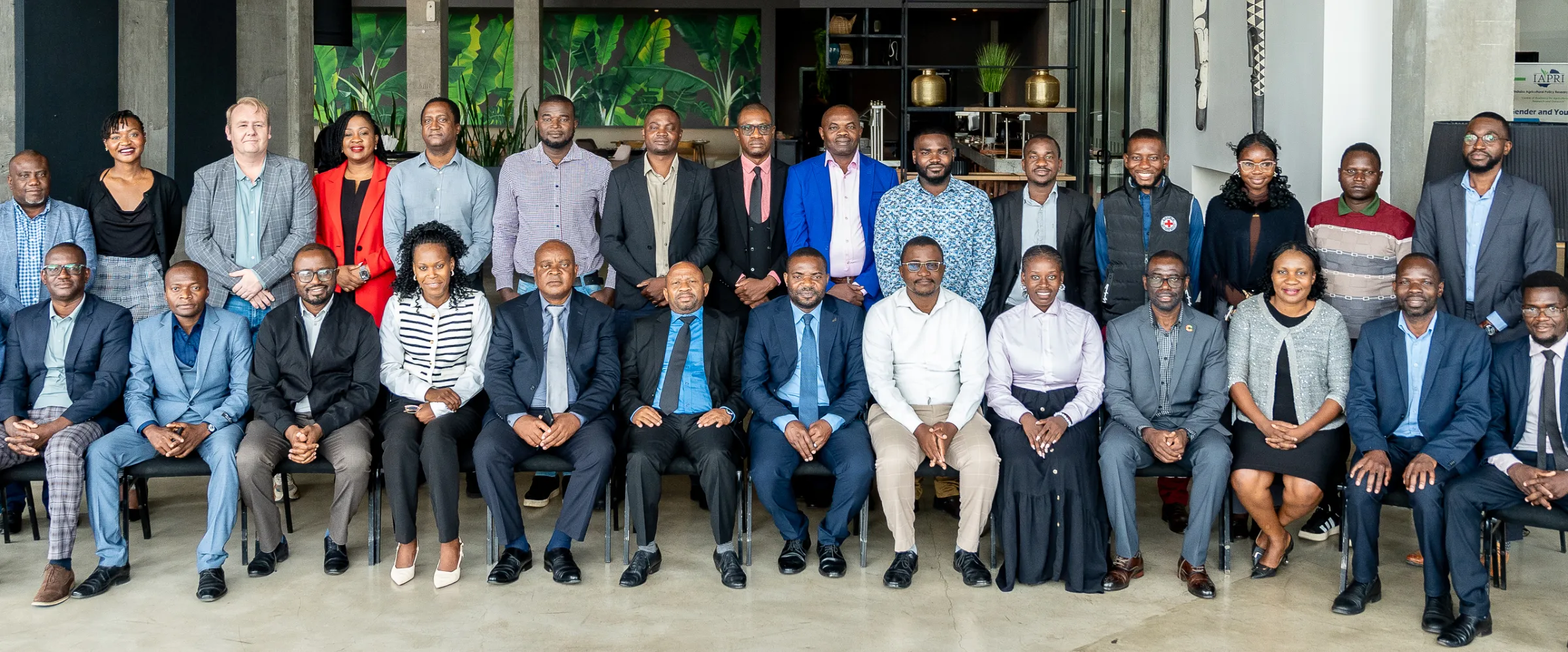
This ongoing threat remains difficult to control. Cholera is a highly contagious disease that can quickly escalate into emergencies and deaths if not treated properly. It spreads quickly when people consume contaminated water or food; the main danger for patients is a lethal form of dehydration. Outbreaks are more than a public health issue. Within the WASH sector, bacterial outbreaks remain common, often embedded in inadequate water and sanitation facilities. They highlight the challenges in water supply and hygiene and the need for cooperation between local water utilities and humanitarian actors. In response to this recurring challenge, the Dutch water utilities (VEi) reached an agreement with the Netherlands Enterprise Agency (RVO) through the Dutch Disaster Risk Reduction & Surge Support (DRRS) programme. To prepare utility staff members for outbreaks, they jointly launched a training course on preparedness and response, combining humanitarian with development work. Leo Meijer, resident project manager at VEi, highlights the importance of this combination in response to cholera outbreaks.

The importance of being prepared
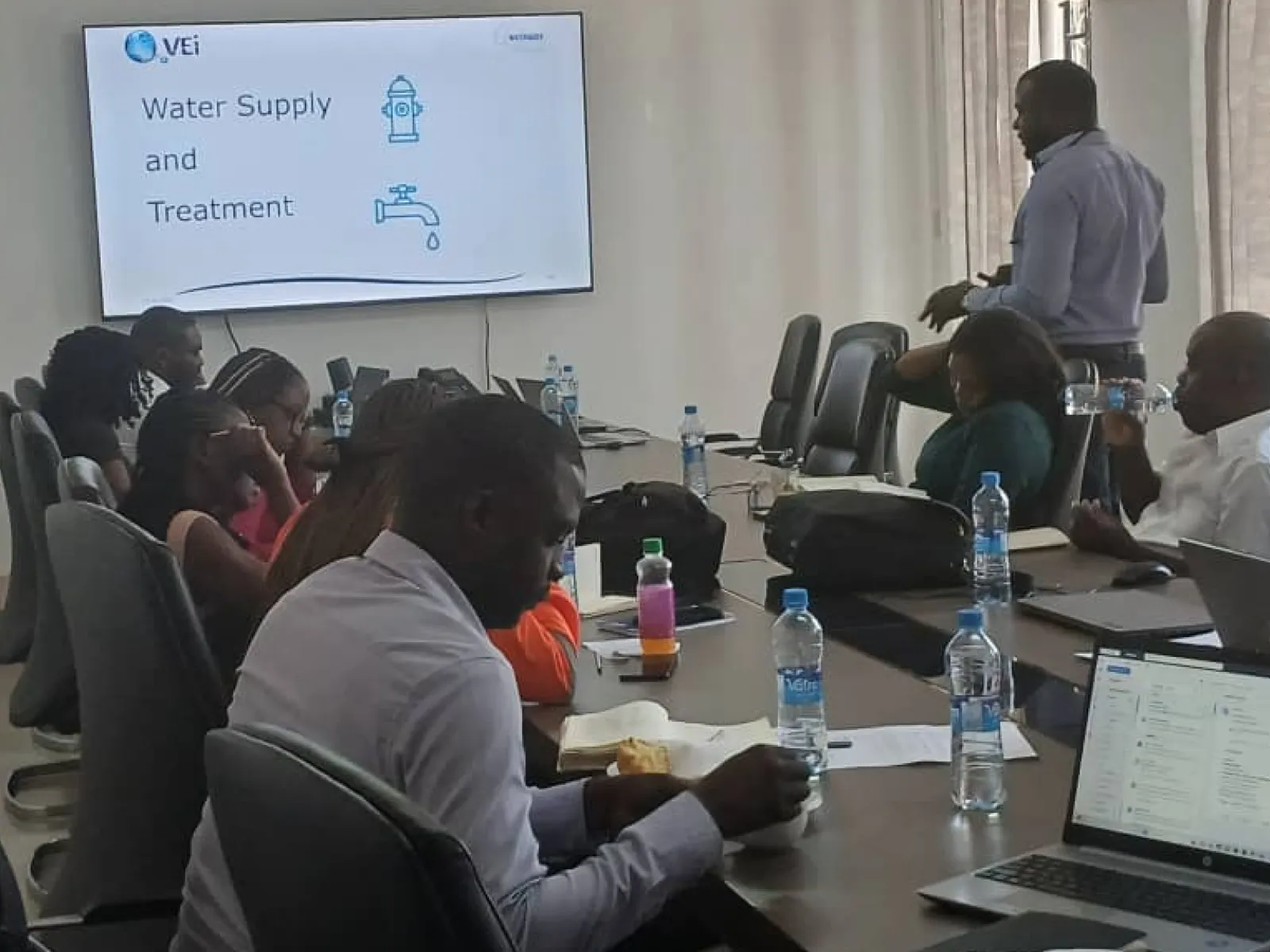
Leo explains that being prepared is not a given, "Organising preparedness training for water utilities in relation to cholera is a critical step in preventing and reducing outbreaks. It is essential because cholera is waterborne. Water utilities are at the forefront of ensuring safe drinking water. Their preparedness to act immediately has a direct impact on public health. Being prepared starts with recognising the early warning signs of contamination. Utility staff play a vital role in responding quickly to suspected outbreaks and coordinating with health authorities for timely interventions. Preparedness also means having emergency chlorination protocols available, a backup water supply plan, and knowing how to maintain water systems during crises. Last but not least, utilities must know how to inform the public, issue boil water advisories and promote hygiene practices during outbreaks."
The importance of perception and involvement
Before the training course, utilities believed outbreaks were not their responsibility. This view is technically correct, but it misses the point that they are required to help solve the problem. Their involvement is mandatory. Utilities also insisted that their water was not the cause, which is true. Yet, this perception overlooks their duty to supply water to communities. Their underlying frustration stems from inadequate investment in WASH coverage, water quality, and supply hours.
The emergency preparedness training had a profound impact on 2 levels, with the most significant long-term effect on water security:
- All participants and their colleagues now understand the utility's role in a cholera outbreak.
- Utilities recognised the added value of simulation-based training. Participants appreciated this new concept and adopted it.
The importance of information and education
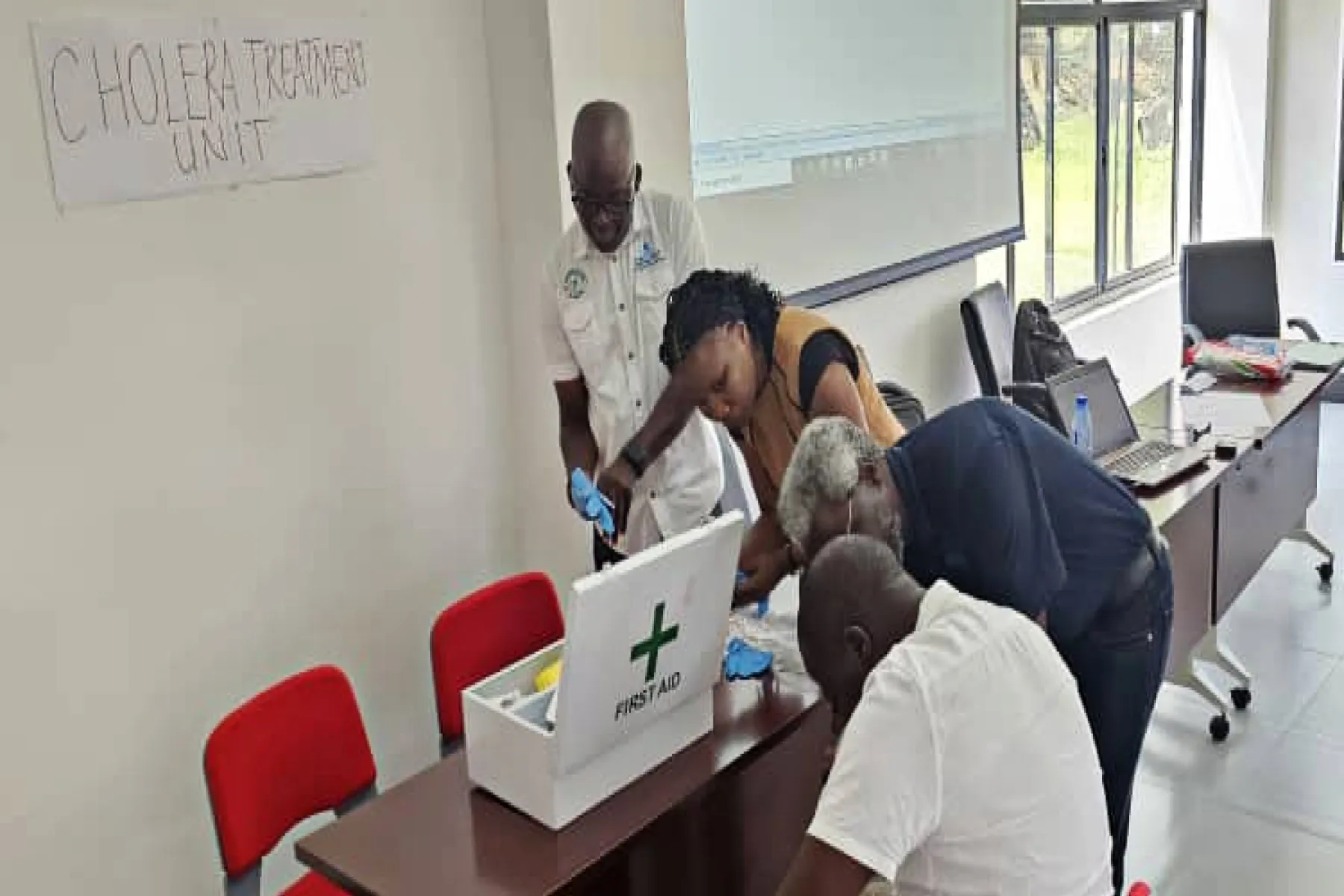
Leo explains the focal points of the training course, "We trained the utility staff participants through scenarios that replicated a localised cholera cluster with progressive injects such as rumours, false news, mock lab results, supply delays and leadership pressure. We were surprised by how quickly different groups worked together under pressure. When the scenario demanded it, utility staff immediately reached out to health, municipal and partner counterparts, showing that relationships drive response rather than plans. Relationships and pre-existing contact points, even informal ones, are often the fastest route to coordinated action.
The importance of partnerships
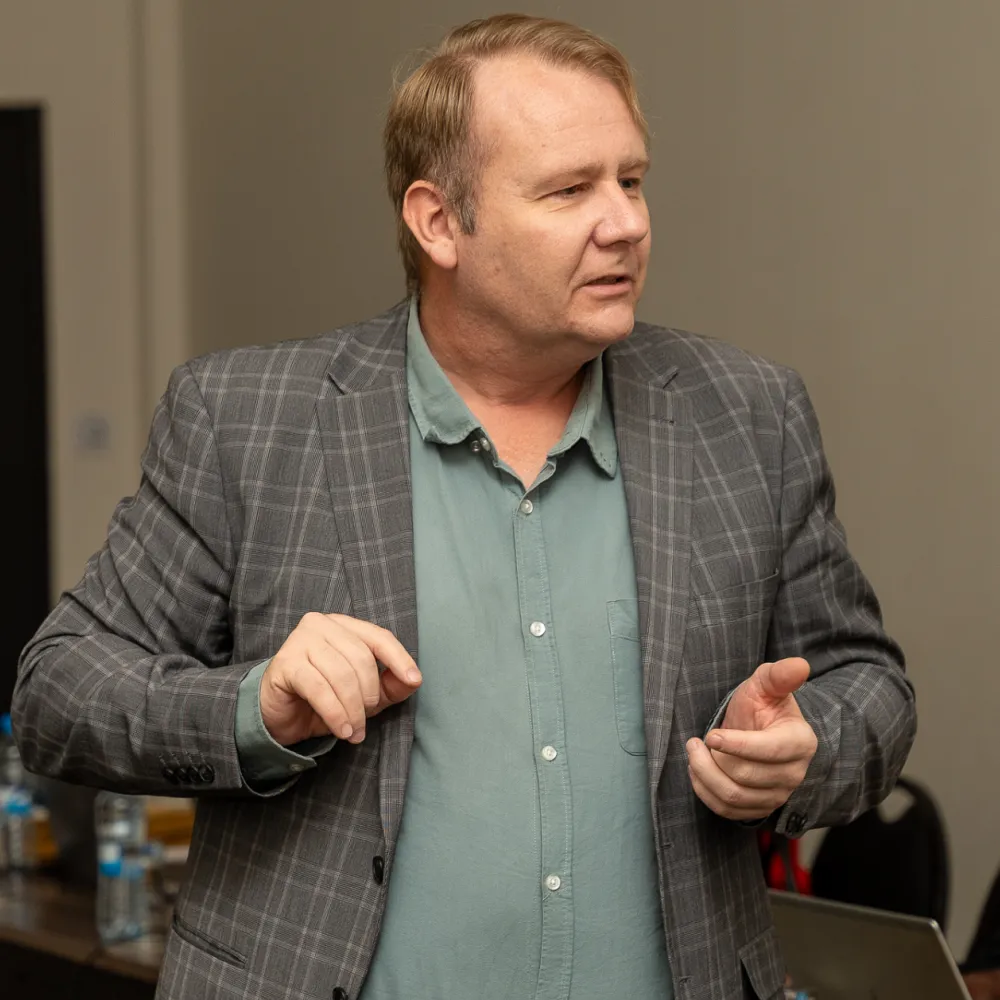
"The training course strengthened the role of commercial utilities in preparing for and responding to cholera, while fostering team collaboration. This included developing training programmes, conducting workshops and emergency drills, advising crisis teams, and drafting plans for a national rollout. To align on objectives, I brought together partners (VEi, IFRC, MoH, NWASCO, ZNPHI, DMMU). Also, DRRS expert Dr Nhlonipho Precious Sithole Sibanda (Dr NP) helped design the training courses; she also supported coordination between international and local partners."
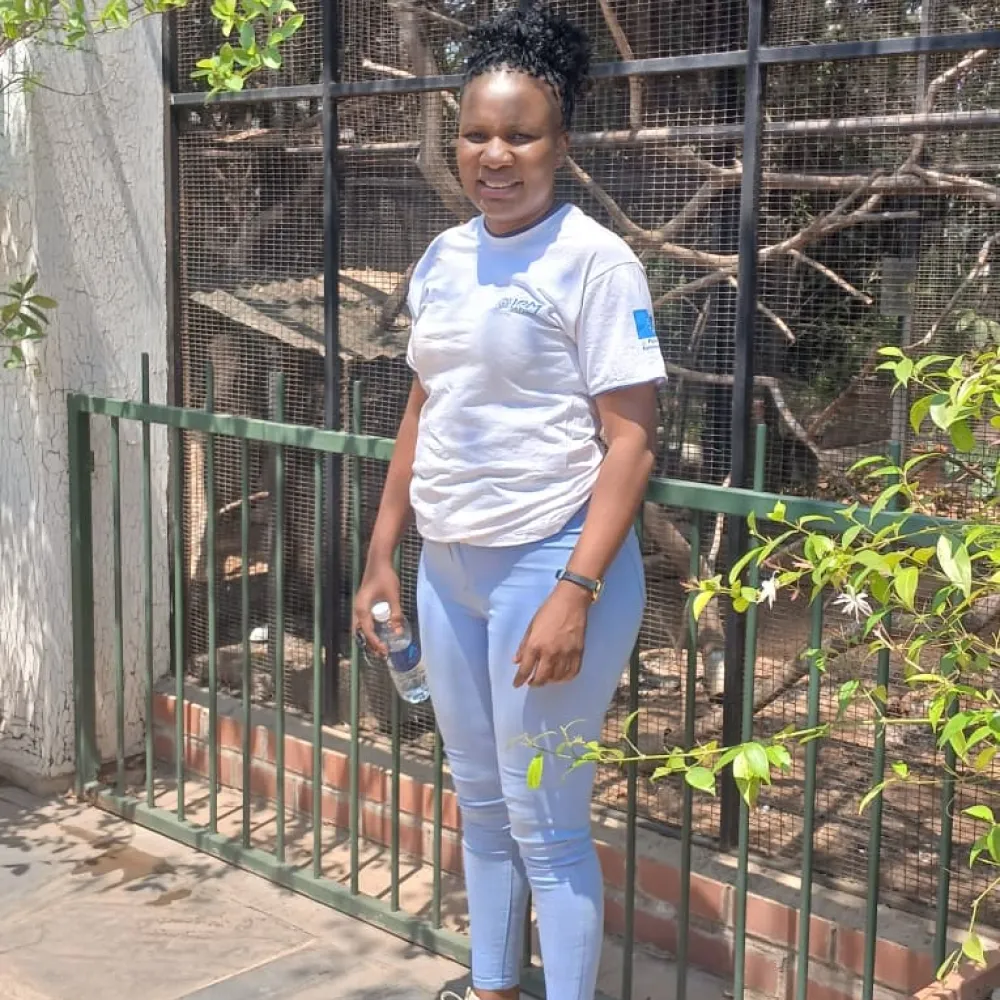
Leo concludes, "I would like to emphasise the importance of incorporating realistic practice activities such as more simulation-based training, ensuring sufficient funding for follow-up, and further developing a mechanism for collaboration among different sectors. This will help utilities use their training to stay prepared and act quickly in an outbreak."
More information
See our webpage for more information on Dutch Disaster Risk Reduction and Surge Support.
Are you interested in DRRS? Or are you looking for water experts in your country? Contact us or your country's embassy or consulate of the Kingdom of the Netherlands.
- Ministry of Foreign Affairs
- Ministry of Infrastructure and Water Management