Regional Clean Cooking Action West Africa (ReCCAWA)
The content of this page has been checked on 10 February 2026
The Regional Clean Cooking Action West Africa (ReCCAWA) programme promotes access to clean, affordable and sustainable cooking solutions. This initiative focuses on 3 main areas: supporting policy and regulation on clean cooking, strengthening supply chains and stimulating demand. ReCCAWA runs from 2025 to 2028.
What is ReCCAWA?
ReCCAWA is a regional initiative led by the Economic Community of West African States (ECOWAS). It promotes modern cooking methods that are:
- smoke-free;
- energy-efficient;
- climate-friendly; and
- gender-sensitive.
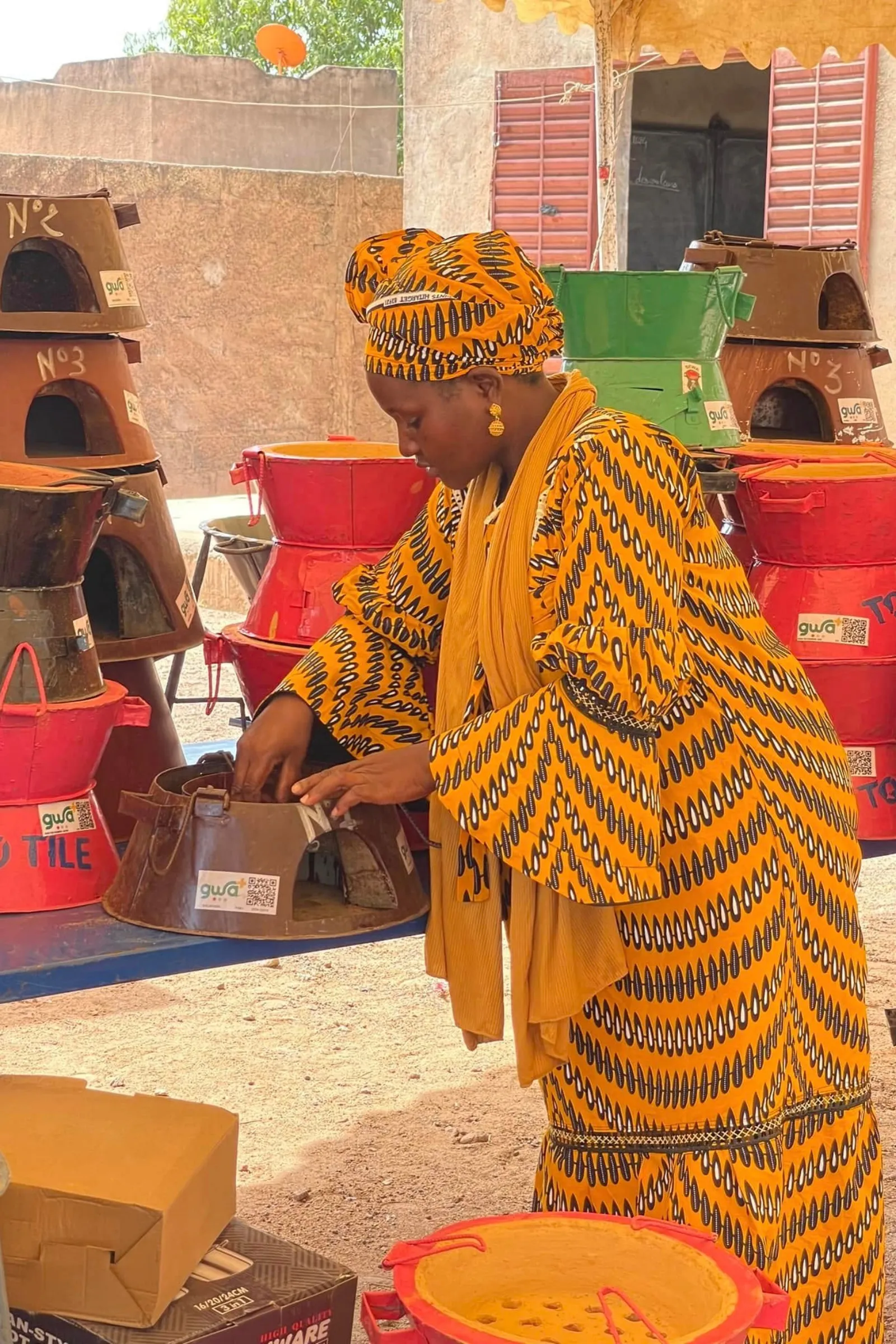
Modern methods enable households to cook in a healthier, safer and more efficient way. They produce less smoke in the home and reduce the need for firewood. Women also spend less time collecting fuel and face fewer health problems.
By providing access to clean cooking, ReCCAWA helps to:
- reduce indoor air pollution;
- reduce CO2 emissions;
- empower women;
- protect forests.
For this 4-year programme, the Netherlands Ministry of Foreign Affairs collaborates with the European Union (EU) delegation in Abuja (Nigeria). They are funding ReCCAWA together.
Target countries
ReCCAWA activities take place in all ECOWAS countries: Benin, Cabo Verde, Côte d'Ivoire, Gambia, Ghana, Guinea, Guinea-Bissau, Liberia, Nigeria, Senegal, Sierra Leone and Togo.
ReCCAWA approach
The programme's collaborative approach involves policymakers, small- and medium-sized enterprises (SMEs), institutions, sector organisations and NGOs.
To help build a sustainable market for clean cooking across West Africa, ReCCAWA focuses on 3 areas:
-
Supporting the enabling environment
ReCCAWA supports the development of national and regional policies and quality standards for clean cooking.
-
Stimulating demand
By offering subsidies to households and running campaigns, ReCCAWA makes clean cooking methods more appealing and affordable. The campaigns focus on changing consumer behaviour.
-
Strengthening supply
ReCCAWA offers innovative financing for SMEs, including women-led businesses. The programme also provides business development support and access to (carbon) finance. Carbon finance refers to financial tools and investments used to fund projects that reduce or capture greenhouse gas emissions.
ReCCAWA results
Access to clean cooking
ReCCAWA's goal is to provide around 750,000 people in West Africa with access to clean, reliable and sustainable cooking solutions. The programme also supports climate action, aiming to reduce CO2 emissions equivalent to around 100,000 tons per year.
Sustainable development
The programme also contributes to the following Sustainable Development Goals (SDGs):

About clean cooking
Many households in low and middle-income countries still use polluting fuels for cooking, such as firewood and charcoal. These fuels produce a lot of smoke, which can cause serious health problems and even death.
Clean cooking solutions produce less smoke and require less fuel. They use cleaner energy sources and more efficient technologies. This helps improve people's health and safety. Examples of clean cooking methods include electric cookers and stoves that use solar energy, ethanol, or biogas.
Caption
Caption
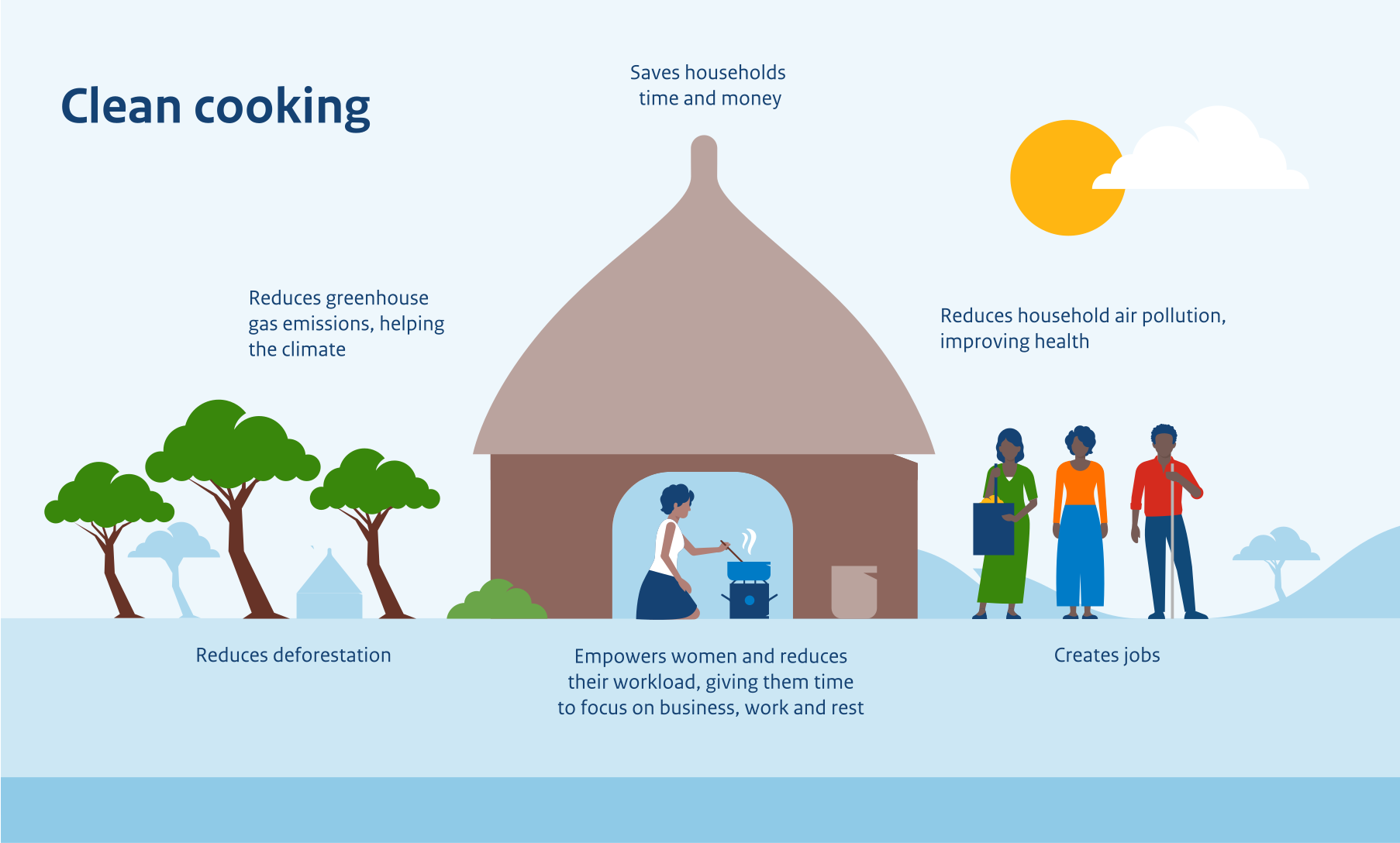
Clean cooking:
- Reduces deforestation
- Saves households time and money
- Creates jobs
- Reduces greenhouse gas emissions, helping the climate
- Empowers women and reduces their workload, giving them time to focus on business, work and rest
- Reduces household air pollution, improving health
ReCCAWA partners
The Netherlands Enterprise Agency (RVO) implements ReCCAWA in cooperation with the following partners:
- the Spanish Agency for International Development Cooperation (AECID);
- the ECOWAS Centre for Renewable Energy and Energy Efficiency (ECREEE);
- Energising Development (EnDev)
Questions about ReCCAWA?
If you have any questions about ReCCAWA or see opportunities for collaboration,
- Ministry of Foreign Affairs